
US Criticizes Germany Over Extremist Label for AfD, Stirring Tensions Between Allies

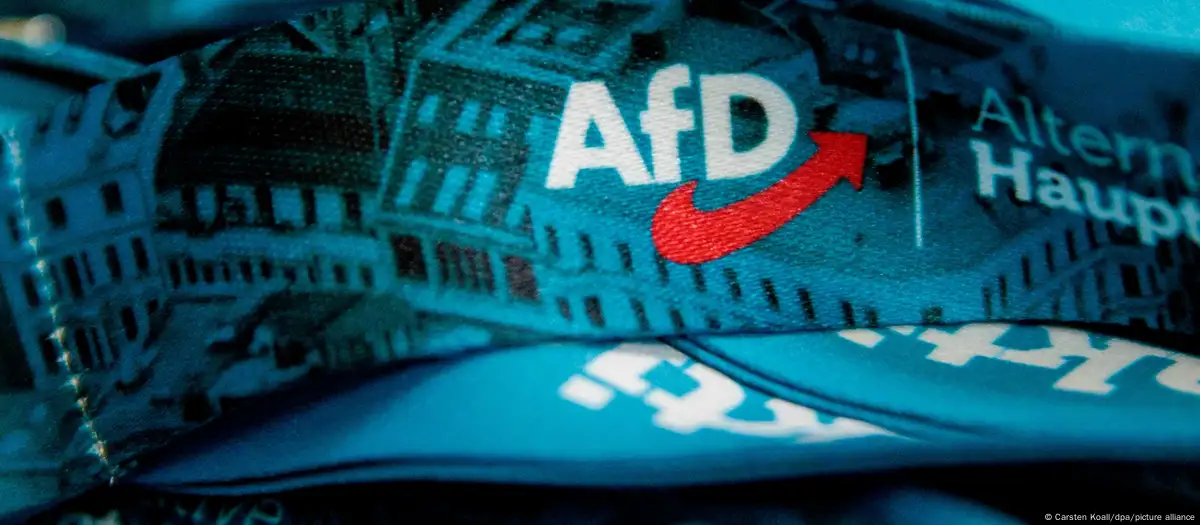
A diplomatic rift has emerged between the United States and Germany following a decision by Germany’s domestic intelligence agency, the BfV, to officially classify the far-right Alternative for Germany (AfD) party as an extremist group. The move, intended to counter threats to democratic values, has drawn sharp rebuke from officials in U.S. President Donald Trump’s administration.
On Friday, top-ranking American officials condemned the designation, calling it an overreach and accusing Berlin of political censorship. They argued that the classification could stifle democratic pluralism and expressed concern over what they perceive as growing intolerance toward conservative and nationalist views in Europe.
The BfV justified its decision by citing the AfD’s rhetoric on ethnicity and its attempts to exclude certain groups from equal participation in society. According to the agency, the party promotes narratives that threaten Germany’s democratic framework, using inflammatory language and encouraging public distrust in democratic institutions. Previously, only regional branches of the party had received this designation.
The new classification allows German authorities to intensify surveillance and restrict the party’s operations. The AfD, which has gained traction in national polls, rejected the label as “politically motivated” and accused the government of weaponizing state institutions against political opposition.
The Trump administration’s criticism reflects a broader ideological divide between Washington and Berlin, especially on issues related to nationalism, free speech, and democratic norms. The dispute also underscores the growing scrutiny of far-right movements across Europe and how their treatment by domestic governments is increasingly becoming a matter of international contention.