Siemens AG to Offload Major Stake in Siemens Healthineers: A Strategic Shift Towards Software and AI

German conglomerate Siemens AG will discuss reducing its majority stake in Siemens Healthineers AG, the medical technology group it spun off in 2018, in a move that could redefine its strategic focus. The decision could lead to divesting part of its €35 billion holding, freeing substantial capital for mergers and acquisitions in higher-growth sectors, such as industrial software and artificial intelligence.
Siemens Healthineers was listed in 2018 and is a maker of state-of-the-art medical imaging and diagnostic gear. It has been one of Siemens’ top-performing units. Siemens originally maintained an 85% stake but further reduced that during the past few years, selling off a 2% chunk for almost €1.45 billion this year. Today, Siemens controls only just under 70%, but big investors such as Deka Investment are pushing to see it go down to 51% and even lower than that in the next few years.
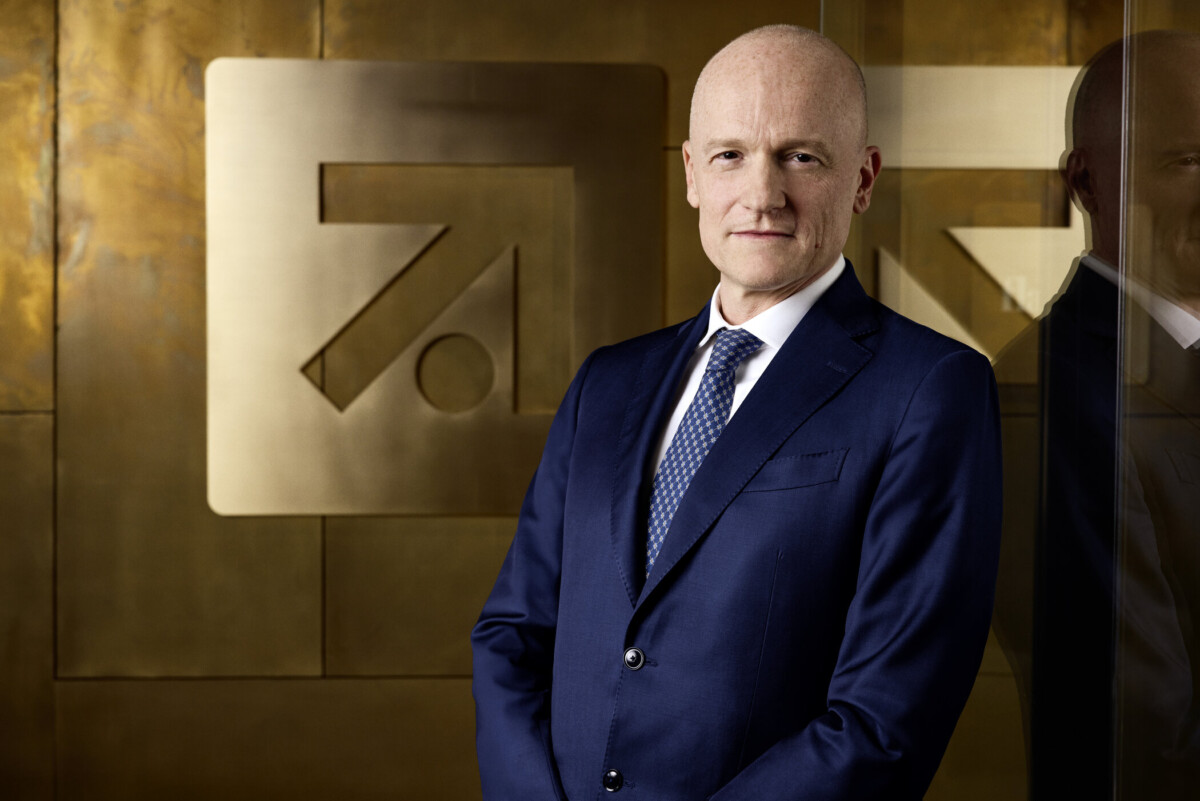
The divestment marks a seminal moment for Siemens’ chief executive, Roland Busch, who will be in office until 2030. The 60-year-old chief has seen consistent profit growth, but he wants to leave his mark that would define Siemens into the next ten years. Analysts say such a move could crystallize his authority and give a strong signal of the shift toward high-margin, technology-enabled industrial solutions.
According to Ingo Speich, the head of sustainability and corporate governance at Deka, it could not be a better time for Busch to refocus Siemens toward AI and industrial software, observing that Siemens might strategically use the proceeds of Healthineers’ divestment for acquisitions intended to make the group stronger in software and automation.
The manner in which Siemens is open to considering multiple options signals that Siemens’ shareholders are set to play a central role in the transaction. According to Barclays analyst Vlad Sergievskii, there are three potential ways this might happen: paying out Healthineers shares as a dividend in kind, transferring them to a separate holding vehicle that might itself be spun off, or gradually selling down the stake on the open market. All carry different financial and operational consequences — including potential tax implications, market effects, and timing of liquidity realization.
One plan mooted, paying out two-thirds of Siemens’ Healthineers stake as a dividend in kind, would incur an estimated €7 billion tax charge in Germany, says JP Morgan. Specialists say alternative structures could be the most efficient way to achieve this without eroding shareholder value and disrupting the market. A sell-down over time, for example, would avoid flooding the market and consequently depressing Healthineers’ share price but would demand careful planning and sequencing.
The strategic rationale for divestment is unmistakable. Though Healthineers is a robust business and profitable one, releasing capital gives Siemens an avenue toward more aggressive investments in core industrial software, automation, and digital services. This also plays into a broader trend in global manufacturing where competitiveness and profitability are increasingly a function of software-driven solutions and AI applications.
Further, Siemens’ move reflects a rising trend among industrial conglomerates toward portfolio optimization and high-growth, high-margin focus segments. By unleashing financial resources tied up in legacy holdings such as Healthineers, Siemens prepares itself to seek value-accretive transformative acquisitions to complement its wide portfolio of hardware including factory controllers, sensors, and automation systems, while reducing takeover risks. Financial analysts predict that the divestment of Healthineers may take many years because of the strategic planning that needs to be done, regulatory approvals, and coordination with shareholders.
The company’s shares have already risen by 31% in 2025, against the more modest gain in the Stoxx Europe Industrial Goods & Services index, underlining strong market confidence in Siemens’ wider industrial portfolio and growth opportunities for software and AI-enabled industrial solutions. In sum, Siemens AG’s upcoming decision on Siemens Healthineers is a critical juncture in its evolution. In this process of strategic stake reduction, Siemens will not only gain substantial financial firepower but also the flexibility to pursue high-impact acquisitions and innovation-driven initiatives. To investors and industry observers alike, it signals Siemens’ commitment to reshaping its industrial identity, embracing digital transformation, and positioning itself at the forefront of next-generation manufacturing technologies.