
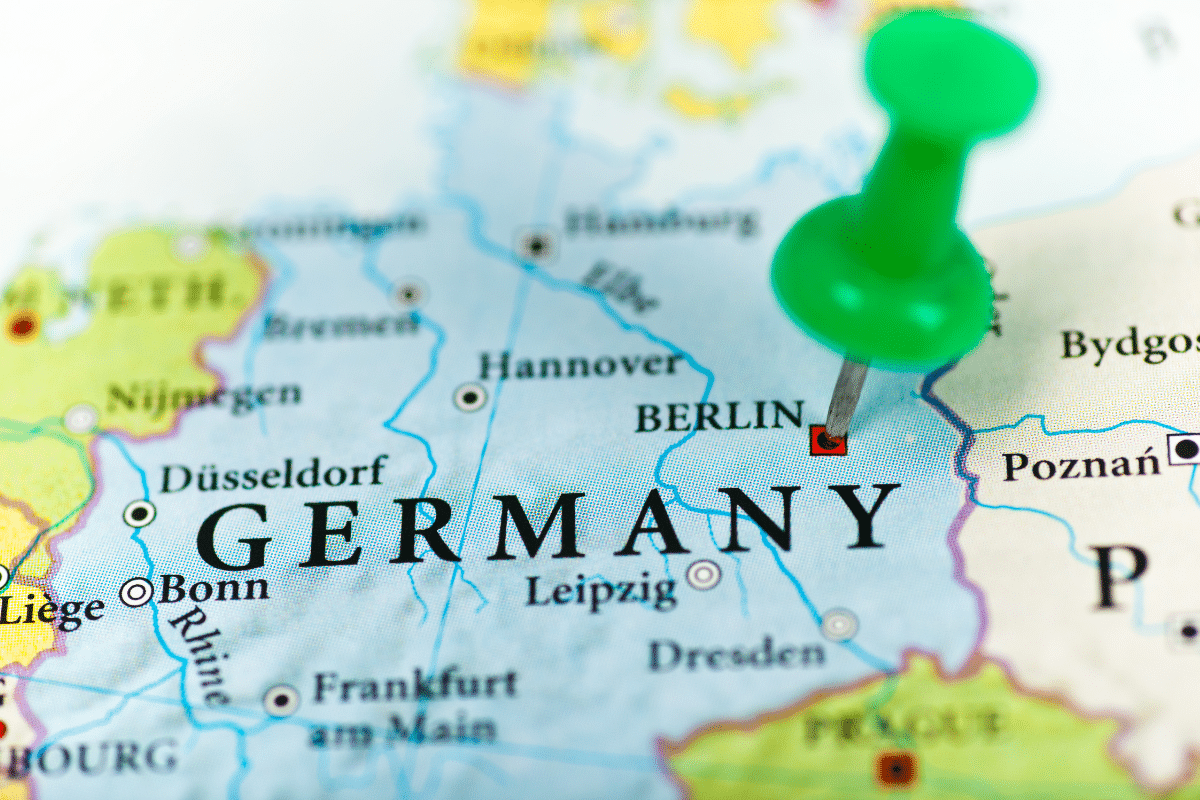

As Germany heads toward its snap federal elections on February 23, one thing is becoming clear: support for the far-right Alternative for Germany (AfD) is growing. This hardline party, once seen as an outlier, is now gaining traction, with voters prioritizing issues like migration and national security.
The Changing Political Landscape: A Shift Toward the Far-Right?
Germany has long prided itself on its democratic values, but as the country faces a rise in migration and other national concerns, the political tide is shifting. For many voters, the growing influence of the far-right AfD no longer seems like a taboo. In fact, its appeal is spreading across various demographics, including some unexpected corners of society.
Voter Priorities: Why Migration Is Taking Center Stage
For Susanne, a nursery teacher in Berlin, the upcoming elections offer a clear choice. “There is no contest,” she says, explaining that she will vote for the AfD in the February 23 election. Like many others, she sees migration as the central issue driving her vote.
As migration numbers rise and debates about border security heat up across Europe, many Germans are increasingly concerned about the impact of new arrivals on their communities and the economy. The AfD, known for its hardline stance on migration, has become the voice for those worried about these challenges.
A Growing Influence: Analysts Weigh In
Political analysts say that the AfD’s influence on public opinion is on the rise. What was once considered a fringe party is now slowly gaining mainstream support, thanks in part to its firm stance on migration issues. In fact, analysts note that the party has found a growing base of supporters who feel their concerns about immigration and national security are being ignored by traditional political parties.
“We’re seeing a shift,” said one political expert. “The AfD is no longer just a protest party; it has become a serious force in shaping political discourse in Germany.”
The AfD’s Appeal: Who Is Supporting the Far-Right Party?
The rising popularity of the AfD is particularly notable among voters who feel left behind by Germany’s political elites. These voters are frustrated by what they see as a failure to address key issues, including the rising number of migrants, concerns about national identity, and a desire for stronger border controls.
While the AfD has traditionally attracted voters from the far-right spectrum, its message has begun to resonate with a broader audience. Voters like Susanne, who may not have identified with far-right politics in the past, now find themselves drawn to the AfD’s tough stance on migration. For these voters, the party’s focus on protecting Germany’s national interests and securing its borders is more important than the party’s controversial views on other issues.
Not Just the Far-Right: AfD’s Broadening Support
Interestingly, AfD’s growing popularity isn’t limited to just far-right extremists. Its messaging on migration, law and order, and sovereignty has started to attract voters from across the political spectrum who feel that the traditional parties are failing to tackle these issues effectively. For some, the AfD’s bold positions offer a way to address their frustrations head-on.
The Risk of Normalizing the Far-Right?
However, not everyone is happy about this shift. Many argue that the more the AfD gains influence, the more it risks normalizing extreme right-wing views within the political landscape. For those who are committed to Germany’s post-Nazi values, the AfD’s rise signals a troubling turn toward nationalism and xenophobia.
But for some voters, like Susanne, the fear of extremism is outweighed by the urgency of addressing what they see as Germany’s biggest challenges. “I want to protect my country,” she explains, adding that she believes the AfD is the only party offering a real solution to the country’s migration problems.
What’s Next for Germany?
As Germany braces for its February 23 elections, the growing support for the AfD raises important questions about the country’s future direction. Will this far-right party continue to grow in influence, or will voters ultimately reject its extreme views in favor of more moderate alternatives?
The answer could have far-reaching consequences not just for Germany, but for Europe as a whole. The rise of far-right parties in Germany could embolden similar movements across the continent, reshaping the political landscape in ways that were once unimaginable.
The Bottom Line: A Political Shift That Can’t Be Ignored
The upcoming German election is set to be one of the most significant in years, with migration and national identity at the forefront of the debate. For voters like Susanne, the choice is clear: the AfD offers the strongest solution to Germany’s pressing issues. But for the country as a whole, this political shift presents both a challenge and an opportunity to decide what kind of future it wants to build.
Whether or not the AfD will become a mainstream political force in Germany remains to be seen. However, it’s clear that the party’s influence is growing, and its impact on the political landscape will be a key factor in shaping the country’s future.

