Germany’s Poorest City Fights Back Against Far-Right Party’s Rise – Here’s How Gelsenkirchen is Reclaiming Hope

Gelsenkirchen: Germany’s Struggling City Stands Up Against Rising Far-Right Influence
In the heart of Germany’s once-prosperous Ruhr region, Gelsenkirchen, the country’s poorest city, is facing a battle against economic decline and rising far-right influence. But, despite these challenges, the city’s residents are determined to resist the spread of the controversial AfD party—Germany’s far-right political force gaining traction.
A City on the Brink: Gelsenkirchen’s Struggles with Poverty and Unemployment
Gelsenkirchen, located in western Germany, is a city in deep financial trouble. With crumbling infrastructure, vacant homes, and litter scattered across the streets, it’s clear that the city has fallen on hard times. Here’s a snapshot of the struggles facing the people of Gelsenkirchen:
- The highest unemployment rate in Germany at over 14%.
- Over a quarter of its working population relies on social welfare.
- The lowest average annual income in Germany, barely surpassing €18,000 ($18,762).
For those who live here, these statistics paint a grim picture of life in Gelsenkirchen. But the real question is, how did it get this way?
Gelsenkirchen’s Rise and Fall: From Prosperity to Poverty
Historically, Gelsenkirchen was a thriving industrial hub, rich with coal and steel industries that drove the local economy. In the 1950s and 60s, the city boasted a population nearing 400,000, as workers flocked to the region for jobs.
However, by the late 20th century, the story took a dramatic turn. As structural changes hit the coal and steel industries, Gelsenkirchen’s economy collapsed. Jobs were lost by the thousands, and the population quickly dwindled. By the time the financial crisis hit, the city’s population had plummeted to just 258,000.
Karin Welge: A Mayor Facing Impossible Challenges
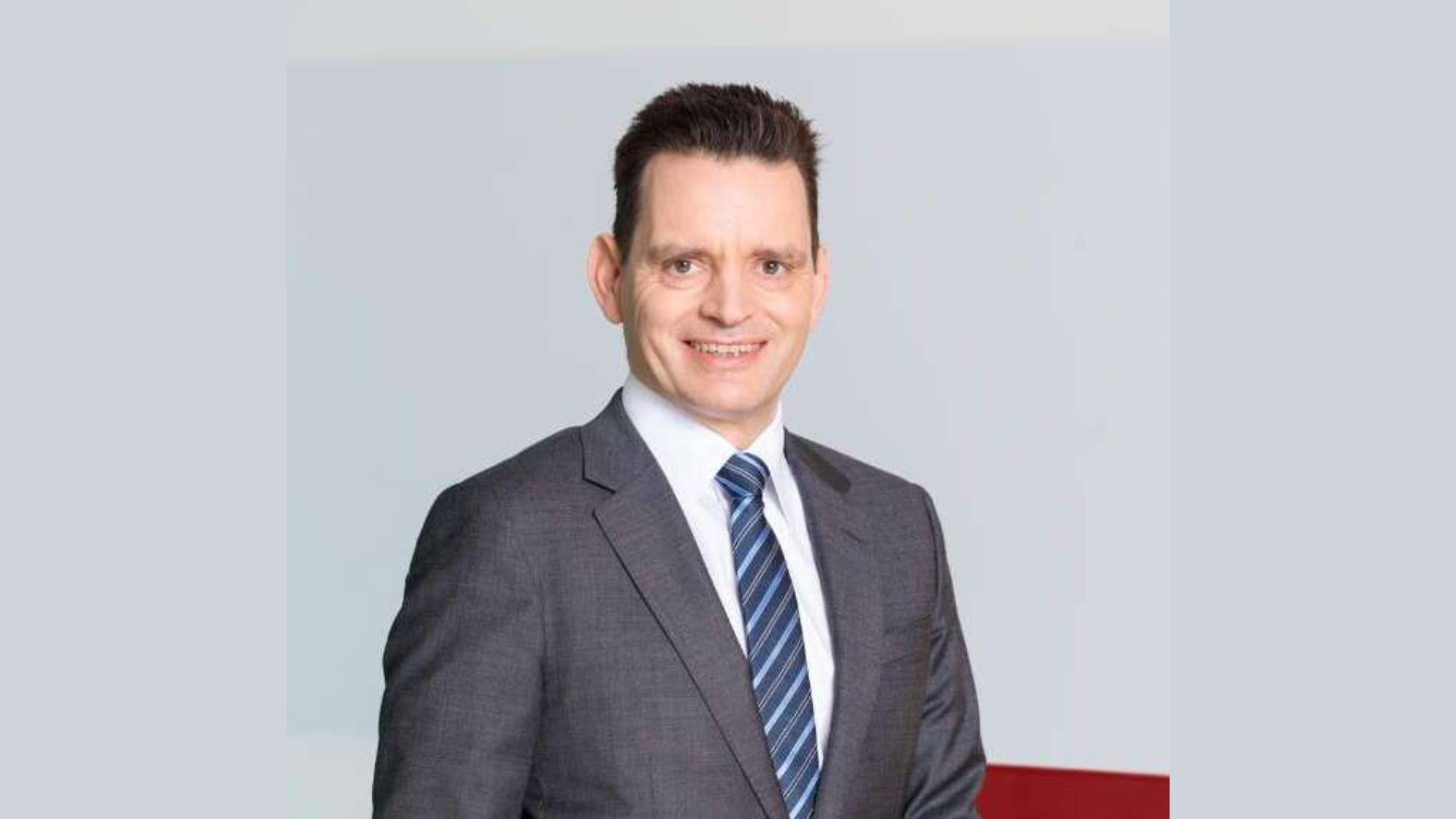
At the center of Gelsenkirchen’s recovery effort is Karin Welge, the city’s mayor, who has taken on the monumental task of trying to rebuild her community. Welge, who knows the city’s history well, explains, “Gelsenkirchen has a history unlike any other German city. This city became rich and prosperous incredibly fast. And then came the extremely brutal structural collapse.”
She goes on to explain, “Before 1960, we had almost 400,000 people living here. During the structural changes, this number went down massively… Half of the jobs paying social insurance contributions were lost.”
The Growing Threat of the AfD: Far-Right Party Gains Ground
In a city suffering from extreme poverty and economic hardship, the rise of the Alternative for Germany (AfD) party is becoming a cause for concern. The far-right party, which has gained popularity in many parts of Germany, is seen by many as offering simple answers to complex problems.
But in Gelsenkirchen, where disillusionment with the government and lack of opportunity run deep, the AfD’s promise of radical change is resonating with some of the city’s residents. Despite its controversial positions, the party is appealing to those who feel left behind by traditional politics.
A City in Crisis: Why Gelsenkirchen Needs Change
Gelsenkirchen’s residents are facing challenges that few can imagine. As the city’s poverty rates skyrocket and jobs become harder to find, people are increasingly looking for someone or something to blame. The economic strain has left many feeling vulnerable, and the AfD’s message offers a sense of direction, even if it means turning away from traditional democratic values.
However, Gelsenkirchen is not a city willing to give up without a fight. Karin Welge and other city leaders are working tirelessly to shift the narrative and steer the city toward a brighter future.
The Battle Against Economic Decline: What Gelsenkirchen Is Doing to Fight Back
While the situation remains difficult, Gelsenkirchen is taking steps to turn things around. Despite the hurdles, the city is working on several fronts to bring hope back to its people. These efforts include:
- Investing in Education and Training: Training the next generation of workers is key to lifting people out of poverty. Local initiatives are focusing on upskilling individuals and preparing them for the jobs of the future.
- Revitalizing the Economy: Gelsenkirchen is investing in sustainable industries and green technologies to create new job opportunities and attract investors.
- Community Engagement and Inclusion: City officials are working to foster a sense of community and belonging. The focus is on bringing people together, creating opportunities for dialogue, and preventing further political polarization.
What’s at Stake: The Future of Gelsenkirchen and Its Fight Against Extremism
If Gelsenkirchen can turn things around, it could become an example of how even the poorest cities can reclaim their future. The rise of the AfD is not just a political challenge—it’s a warning sign of the anger and frustration many Germans feel about the current state of their country.
Yet, Gelsenkirchen’s leaders refuse to accept that far-right extremism has to be the answer to the city’s woes. Instead, they’re pushing for progressive solutions that focus on education, jobs, and community building to address the root causes of extremism.
Gelsenkirchen’s Hope: A Glimmer of Change in Dark Times
Though Gelsenkirchen faces an uphill battle, its efforts to resist the AfD and push for economic renewal are far from over. Karin Welge remains hopeful that the city can turn the tide, not only for itself but also as a beacon of hope for other cities facing similar struggles.
As Gelsenkirchen fights against economic hardship and rising extremism, it stands as a reminder that even the poorest cities can rise up and reclaim their future. Gelsenkirchen’s story is far from over, and the world will be watching to see how the city’s fight unfolds.