
Germany’s Politics in Flux: The Right-Wing Surge Ahead of Election
As Germany nears its highly anticipated election, a shift to the right seems almost inevitable. Polls suggest that support for the far-right parties is rising, and voters are more focused on issues like immigration and crime than the state of the economy.
The biggest question surrounding this election is not just which party will come out on top, but how the growing support for the AfD (Alternative for Germany) and other far-right factions will shape the country’s future. Adding a surprising twist to this election: high-profile figures like Elon Musk have shown their support for the far-right, potentially altering the political landscape even further.
Germany’s Shifting Politics: How Did We Get Here?
For years, Germany was seen as a political and economic beacon in Europe, known for its stability and social safety nets. However, things are changing. While concerns over the economy have been brewing, it’s the issues of immigration and crime that are now dominating the debate.
The AfD has managed to capitalize on these concerns, pushing policies focused on tougher immigration laws and promises of greater security. Their rhetoric has resonated with many voters who feel that traditional politicians aren’t addressing their needs.
Immigration and Crime: Hot Topics in the Election
While economic issues such as inflation and unemployment remain on people’s minds, the conversation has increasingly centered around immigration. With Germany seeing a rise in refugee and migrant numbers, the far-right parties argue that the country needs stronger borders and stricter immigration controls to preserve its culture and safety.
But the issue of crime has also added fuel to the fire. Some Germans feel that rising crime rates—especially in larger cities—are directly linked to immigration and that the government has not done enough to curb violence and instability. The AfD has capitalized on this fear, promising stronger law enforcement and a crackdown on what they call “illegal immigration.”
The Role of Elon Musk: A Surprising Influence on Germany’s Far-Right Surge
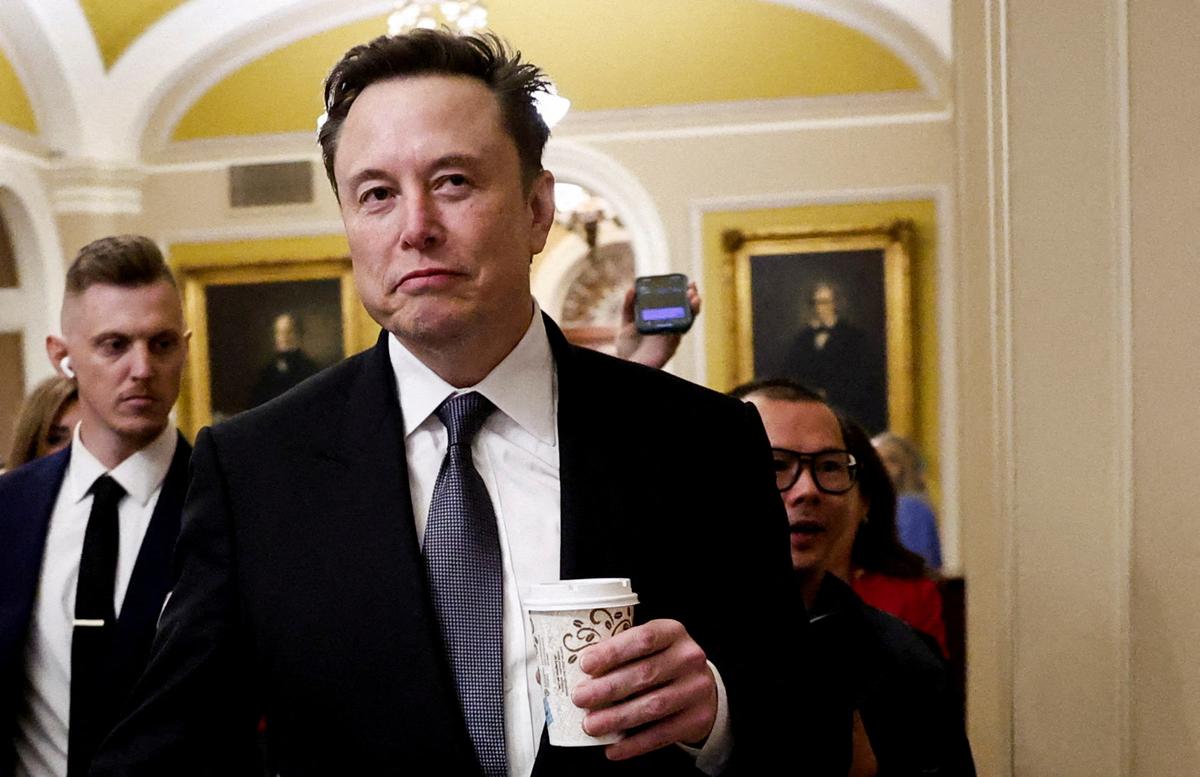
Enter Elon Musk—the billionaire tech mogul known for his high-profile businesses and social media presence. Musk’s recent endorsements of far-right movements and politicians have drawn global attention, and Germany is no exception. His influence, especially among tech-savvy, younger voters, cannot be underestimated.
By supporting the AfD and other similar parties, Musk’s backing has helped to legitimize their positions. For some, it’s a stamp of approval that boosts the far-right’s credibility. Musk’s personal brand alone can draw significant media attention and attract new followers to causes he supports.
What Does Musk’s Support Mean for Germany’s Election?
While Musk’s support for Germany’s far-right may seem out of place, it plays into a larger trend of high-profile figures using their platforms to back controversial causes. For many voters, Musk’s endorsement might make the far-right seem like a more viable, mainstream option. It can create a sense of momentum around their policies, especially among those already disillusioned with the status quo.
Musk’s backing could also help the AfD tap into a new base of voters who otherwise wouldn’t have considered them. His influence extends far beyond the business world—through his presence on Twitter and his influence on social media, Musk has the power to sway opinions and rally support for political causes.
The Economy: Still a Concern for Many Voters
Despite the growing focus on immigration and crime, economic concerns continue to weigh heavily on many Germans. The country, known for its strong economy, has been dealing with stagnation, inflation, and high energy prices. These challenges have made it harder for everyday Germans to make ends meet.
Voters are looking for leadership that will help them recover from economic uncertainty, but so far, none of the traditional parties have provided clear, effective solutions. The AfD’s rise has occurred in part because many voters believe they’ll bring about a tougher, more nationalistic approach to Germany’s economic issues.
Will the Far-Right Deliver Economic Stability?
One of the big questions facing the far-right parties, including the AfD, is whether they can deliver on their promises to restore economic prosperity. Their platform largely focuses on preserving national industries, but critics argue that their policies could isolate Germany from global trade and investment.
Still, the far-right’s appeal lies in its promise to “protect” German jobs and prioritize the country’s interests. Whether or not this approach will work remains to be seen, but many voters are willing to take the chance in light of their dissatisfaction with the traditional parties.
What’s at Stake in the Election?
As the election draws closer, the stakes for Germany couldn’t be higher. The growing support for the far-right is challenging the status quo and raising questions about the future direction of the country. If the far-right manages to secure significant gains, it could signal a shift towards more nationalistic and anti-immigration policies that could have a lasting impact on Germany’s domestic and foreign affairs.
Germany’s relationship with the European Union could change dramatically, as far-right parties often criticize EU regulations and push for more independence. The country’s stance on immigration could also tighten, as stricter border policies are a cornerstone of the far-right’s platform.
What Happens Next: Germany’s Future is Uncertain
Germany’s political future is at a crossroads. The country has long been a pillar of stability in Europe, but with the rise of the far-right and growing dissatisfaction among voters, the upcoming election could lead to major changes in both domestic policies and Germany’s role on the global stage.
As the far-right continues to gain traction, and with Elon Musk’s influence adding fuel to the fire, the election is shaping up to be one of the most critical in Germany’s history. Whether the country will embrace these changes or reject them remains to be seen, but one thing is clear: Germany’s political landscape is evolving, and the far-right is playing a pivotal role in shaping that change.
Conclusion:
Germany’s upcoming election is a pivotal moment in the country’s history, with a shift towards the far-right appearing more likely. As economic concerns grow, and issues like immigration and crime dominate the discussion, voters must decide whether they want to embrace change or stick with the status quo. The influence of figures like Elon Musk may have a lasting impact on the election’s outcome, but ultimately, it’s up to the voters to decide where they want Germany to go next.