

Germany’s top leaders have sharply criticized the ongoing conflict involving the United States and Iran, calling it “avoidable” and “unnecessary.”
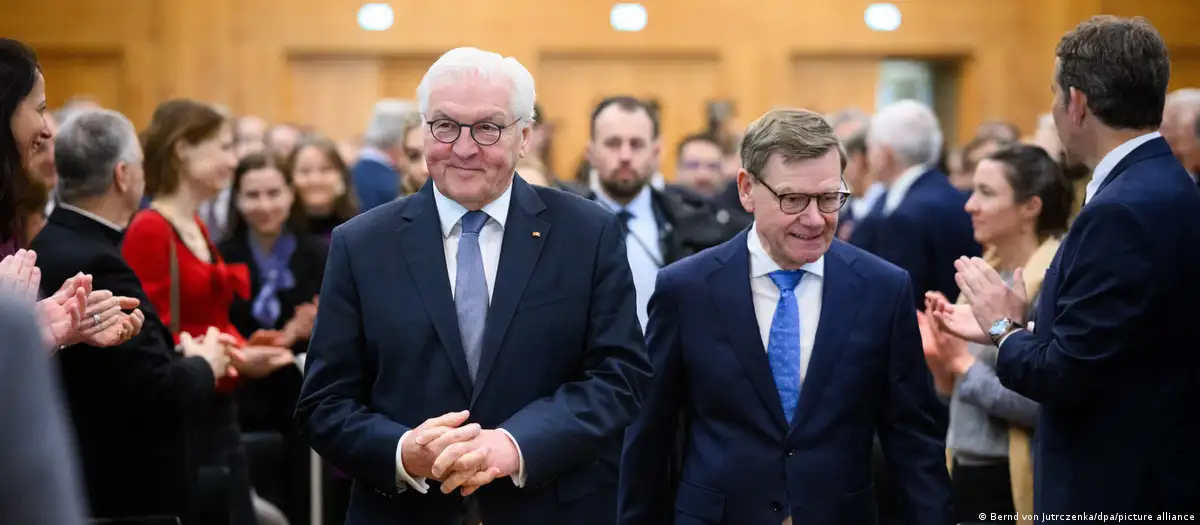
President Frank-Walter Steinmeier and Foreign Minister Johann Wadephul expressed concern over the situation during a high-level event in Berlin.
Strong Words from German Leadership
Speaking at an event marking 75 years since the reformation of Germany’s foreign ministry, Steinmeier described the conflict as a:
- “Politically fateful mistake”
- “Breach of international law”
These remarks highlight the seriousness with which Germany views the situation.
Concerns Over US–Germany Relations
The comments also reflect growing concerns about the future of relations between Germany and the United States.
Steinmeier warned of a “profound change” in ties with Germany’s most important ally, signaling possible shifts in international cooperation.
A Historical Context
Wadephul reminded audiences of the long-standing relationship between the two countries, noting:
- The U.S. role in defeating Nazi Germany
- Support in rebuilding post-war Germany
- Assistance during German reunification
Despite this history, he emphasized that the current global environment presents “new epochal challenges.”
Criticism of Trump’s Foreign Policy
The remarks also indirectly criticized the foreign policy approach of President Donald Trump during his second term.
German leaders suggested that current actions in the Middle East reflect:
- Increasing unpredictability
- Rising geopolitical tensions
- Concerns over international stability
Global Implications of the Conflict
The Iran war has raised concerns across the international community.
Key Issues
- Potential violations of international law
- Risk of wider regional escalation
- Strain on diplomatic alliances
- Impact on global security
Germany’s reaction reflects broader worries among European nations.
Shifting Geopolitical Landscape
The situation highlights how global alliances may be evolving.
Countries like Germany are reassessing their relationships based on:
- Foreign policy decisions
- Military actions
- Diplomatic priorities
This could lead to changes in how nations cooperate in the future.
The statements from Frank-Walter Steinmeier and Johann Wadephul underscore growing tensions between Germany and the United States over the Iran conflict.
With concerns about legality, stability, and global alliances, the situation marks a critical moment in international relations.
As the conflict continues, the world will be watching how major powers respond—and whether diplomatic ties can withstand the pressure.

