
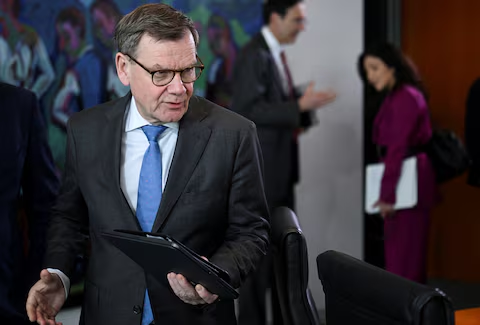

German Foreign Minister Johann Wadephul has welcomed recent moves toward peace talks to try to end the war in Iran, urging that any diplomatic window be given a fair chance to succeed.
Wadephul spoke positively about the fact that U.S. President Donald Trump has shifted from issuing ultimatums to pursuing negotiations aimed at de‑escalating the conflict. He described this approach as commendable and said that if there is an opportunity for diplomacy, it should be fully explored and supported.
Giving Diplomacy a Chance
In remarks made during a cabinet gathering in Berlin alongside his Tunisian counterpart, Wadephul highlighted the importance of giving peace efforts time to work. He said that Iran’s leadership would be well‑advised to respond constructively if negotiations are genuinely offered.
The German foreign minister urged all sides to make space for dialogue and to take advantage of diplomatic opportunities rather than defaulting to continued conflict. He emphasised that if there is a real prospect of negotiations, the international community should encourage it rather than dismiss it out of hand.
A Tentative Opening
Wadephul’s comments come at a time when there are indications of indirect diplomatic engagement between the United States and Iran. Reports suggest that proposals have been delivered via third‑party countries and that potential venues for dialogue—such as Pakistan or Turkey—are under consideration for hosting talks.
Although Iran’s public position has been largely dismissive of negotiations, some diplomats see these proposals as rare signs that there may be an opening for discussions.
Germany’s Diplomatic Stance
Wadephul’s support for diplomacy reflects Germany’s broader position that political solutions should be sought to end violent conflicts. He sees negotiation as a necessary step if there is any realistic chance of bringing about an end to hostilities and reducing the immense human and economic toll of the war.
While recognising the challenges and skepticism surrounding such talks, he believes it is important not to close the door on efforts that could ultimately bring peace.
The Challenge Ahead
Despite Germany’s encouragement, the path to meaningful talks remains uncertain. Iran has repeatedly maintained that it does not plan to negotiate under current conditions, emphasizing that any engagement would require its own terms to be met.
Meanwhile, the U.S. and its allies are working through intermediaries and diplomatic channels to keep the possibility of talks alive, even as fighting continues in the region.
Wadephul’s remarks underline a key diplomatic message: when a genuine opportunity for negotiations presents itself, it deserves a fair and sustained effort from all sides in hopes of ending conflict and stabilising the situation.

