
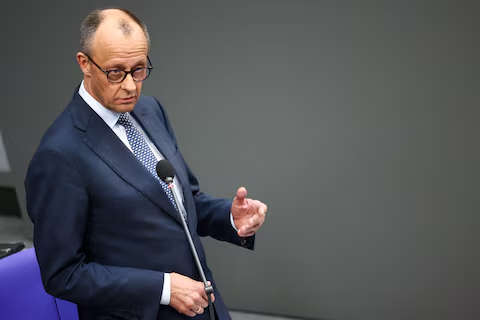

German Chancellor Friedrich Merz has warned that Germany’s public finances cannot fully compensate for the sharp increases in energy prices caused by the ongoing war in Iran. Speaking in parliament, Merz emphasized that while some budget measures can provide temporary relief, the most effective way to control prices is to end the conflict.
Public Finances Have Limits
Merz acknowledged that the government could explore tax or spending measures to help ease inflationary pressures. However, he cautioned that such measures have finite impact and cannot fully counteract the effects of global energy shocks. He stressed that relying solely on budgetary fixes would not address the underlying causes of price increases and that taxpayers’ money has limits.
Ending the War Is Key to Price Stability
The chancellor highlighted that the most direct way to bring energy and related costs under control is through peace in the region. Germany is working with international partners to encourage diplomatic efforts aimed at de-escalation. While emergency budget measures might offer temporary relief, fundamental stability in global markets can only be achieved by ending the conflict.
Economic Impact of the Conflict
The Iran war has disrupted global energy markets, particularly affecting shipping routes critical for oil and gas exports. These disruptions have driven up global oil prices, which in turn have increased energy costs in Europe and beyond. Higher fuel prices have a knock-on effect on transportation, goods, and household budgets, putting pressure on consumers and businesses alike.
Prolonged supply disruptions also have wider economic implications, including inflationary pressures and potential impacts on growth, making government responses more challenging.
Public and Political Reaction
Merz’s remarks have sparked debate within Germany. Some policymakers agree that fiscal measures alone cannot fully shield the economy from global shocks. Others call for targeted support to assist vulnerable households struggling with rising costs. The public remains concerned as energy prices continue to affect everyday living expenses.
The situation has also reignited discussions about Germany’s economic strategy, highlighting the need for diversified energy sources and long-term planning to reduce vulnerability to external shocks.
Looking Ahead
Germany and its European partners are closely monitoring developments in the Middle East. While temporary budget support can ease some pressure, most experts agree that stabilizing energy prices depends on resolving conflicts that disrupt global supply chains.
Merz’s message is clear: public finances can help, but they cannot replace the need for diplomatic solutions that address the root causes of economic instability.

