
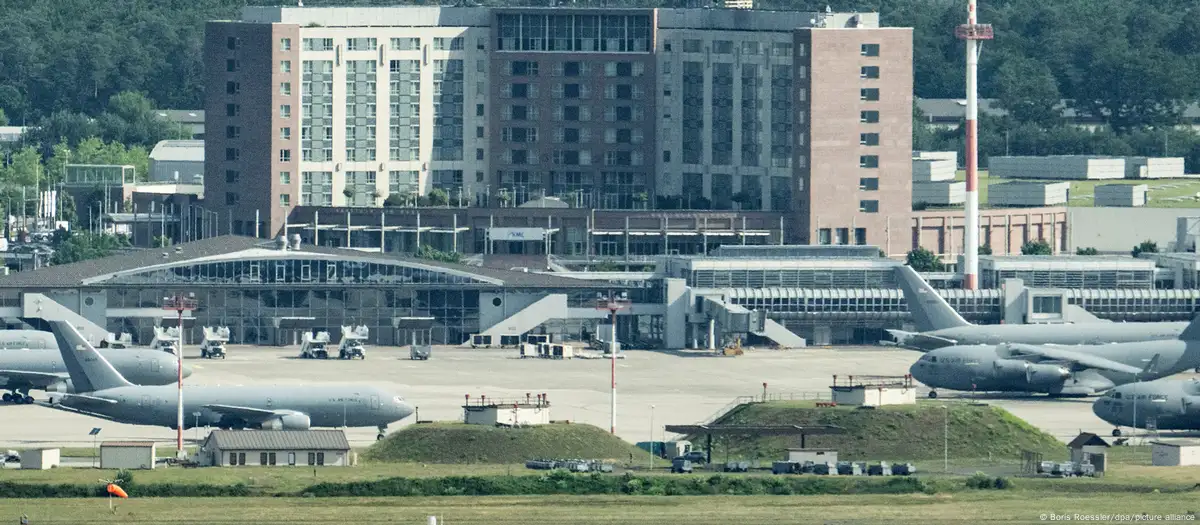

Berlin Not Liable for Ramstein’s Role in US Drone Strikes, Rules Constitutional Court
Germany’s top court has ruled that the federal government is not legally responsible for the use of the Ramstein air base in facilitating US drone strikes abroad — even if those strikes result in civilian deaths.
The case was brought by two Yemeni nationals who say their relatives were killed in a 2012 US drone strike. The plaintiffs argued that Germany had a duty to prevent the use of Ramstein — a US-operated base on German soil — for missions that may violate international humanitarian law.
But in a decision issued on Tuesday, the Federal Constitutional Court dismissed the claim, stating that Germany did not breach its constitutional or international obligations.
The Core of the Complaint
At the heart of the lawsuit was the assertion that Ramstein air base, located in western Germany, plays a crucial role in the operation of US drone strikes. It serves as a signal relay station, transmitting information between drone operators in the US and their targets abroad — including in countries like Yemen, Somalia, and Pakistan.
The Yemeni plaintiffs claimed this made Germany complicit in illegal killings and human rights abuses. They based their case on the German constitution’s right to life and international legal norms that require nations to prevent human rights violations if they occur with the help of their territory.
What the Court Said
The court acknowledged that Germany has a duty to protect basic rights, including the right to life, even for people living abroad under some circumstances. However, it concluded that there was insufficient evidence to prove that the specific drone strike in 2012 violated international law.
Specifically, the judges said they could not determine whether:
- The US had violated international humanitarian law in distinguishing between military targets and civilians.
- The German government had any legal obligation to restrict or supervise US operations at Ramstein more closely.
Therefore, the court ruled that Germany’s indirect involvement in the US drone program did not amount to a legal violation.
Reaction and Implications
Human rights advocates were disappointed by the decision. The European Center for Constitutional and Human Rights (ECCHR), which supported the plaintiffs, said the ruling was a missed opportunity to clarify Germany’s international responsibility.
They argued that the court failed to set clear limits on the use of German territory for potentially unlawful military operations by allies, particularly in the growing use of armed drones.
Meanwhile, the ruling could embolden continued military cooperation between the US and Germany, as it effectively shields Berlin from legal consequences for foreign actions conducted with technical support from German soil.
The Bigger Picture
This case is part of a broader debate about:
- The legality of drone warfare under international law
- The role of US military bases abroad in controversial operations
- Germany’s moral and legal obligations when its territory is used in global conflicts
Although this specific complaint was dismissed, the issue is far from over. The presence of foreign military bases — especially ones involved in lethal missions — continues to raise questions about sovereignty, accountability, and human rights protections in modern warfare.
What Happens Next?
While the court’s decision ends this particular legal battle, several outcomes may still unfold:
- Human rights groups may push for new legislation to increase transparency and oversight of foreign military operations based in Germany.
- Political pressure could mount for Germany to reassess its military agreements with allies, including the US.
- The debate could resurface in future court cases if new evidence emerges about civilian casualties linked to drone missions coordinated via Ramstein.