
Germans Are Driving More for the First Time Since 2018 — Plus Court Dismisses US Drone Base Lawsuit

A Nation Back on the Road: Driving Increases Across Germany
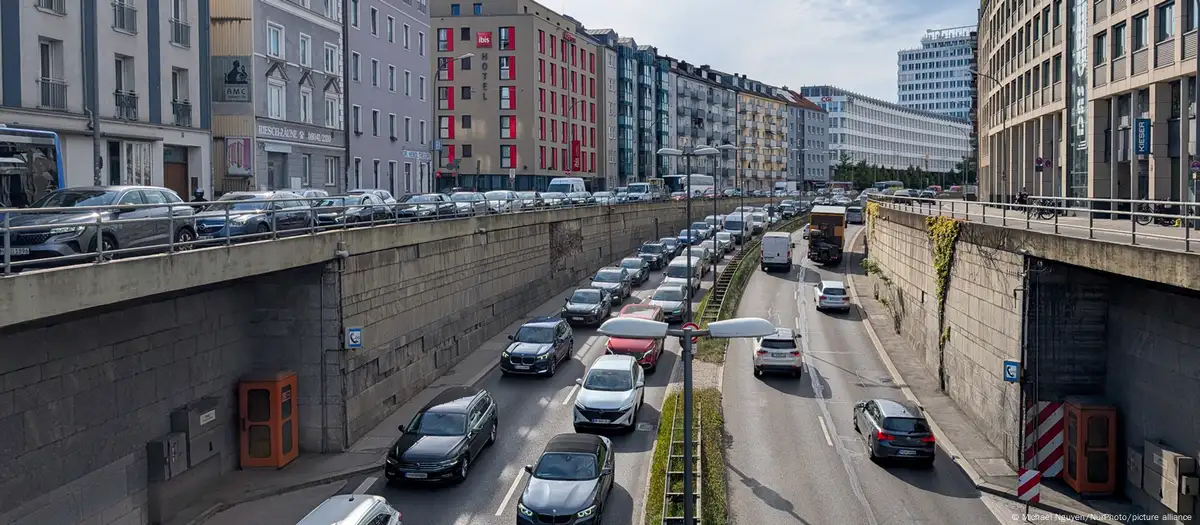
Germany is seeing a return to pre-pandemic habits on the road. For the first time since 2018, Germans are driving more, according to new transport data. In 2024, vehicles in the country covered 3 billion more kilometres than in 2023 — signaling a significant rebound in car use.
Experts point to multiple reasons behind the uptick:
- Easing fuel prices
- Economic recovery post-COVID
- Ongoing concern over public transport reliability
- A shift back to in-person work in many industries
The increase marks a reversal from years of declining car travel, largely driven by pandemic lockdowns, remote work, and growing climate consciousness. Still, the rise in road travel may present new challenges for Germany’s climate goals, particularly as the country struggles to reduce carbon emissions in the transport sector.
Ramstein Air Base Case: Top Court Rejects Lawsuit Over US Drone Strikes
In a separate development, Germany’s Constitutional Court has dismissed a high-profile lawsuit filed against the use of the US-operated Ramstein Air Base for overseas drone operations.
The complaint was brought by two Yemeni nationals, who alleged that their relatives were killed in a US drone strike more than a decade ago. The plaintiffs argued that Germany had a legal responsibility to intervene or restrict the US military’s operations at Ramstein, given that the base plays a role in communication and coordination for American drone missions.
The court rejected the claim, effectively stating that Germany is not obligated to oversee or prevent the specific activities of allied forces based on its soil.
Why the Court Ruling Matters
Legal experts, including the European Center for Constitutional and Human Rights (ECCHR), say the ruling could have long-term implications for international law and Germany’s military partnerships.
While the case was dismissed, it raised important questions:
- To what extent is Germany responsible for foreign military operations conducted from its territory?
- Could future claims emerge if German soil is linked to human rights violations abroad?
- Will this lead to renewed political debate about foreign military bases in Europe?
The ECCHR argued that the ruling missed a key opportunity to clarify Germany’s obligations under international humanitarian law. Human rights groups have long criticized the role of Ramstein in US drone operations, particularly those in Yemen, Somalia, and Pakistan.
A Snapshot of Germany on July 15
Here’s what else is happening in Germany today:
- Traffic congestion is rising: With more cars back on the road, traffic jams in major cities like Berlin, Munich, and Hamburg are becoming more frequent.
- Climate policy under pressure: Environmental groups are urging the government to double down on green transport incentives as driving rebounds.
- Defense policy debate grows louder: The Ramstein case is reigniting public conversations about the presence of US military infrastructure in Germany — and the country’s broader role in NATO operations.
What This All Means
Germans are clearly returning to the road, a sign of post-pandemic normalcy—but also a challenge for environmental targets. At the same time, the nation’s top court has quietly shut down a potentially explosive legal case that questioned Germany’s accountability for foreign military actions.
As Germany moves forward, these two stories highlight a country at the crossroads of everyday behavior and complex global politics.

