
End of the Line for Deutsche Bahn Boss as Germany Moves to Fix Failing Railways

Germany’s troubled national rail operator, Deutsche Bahn (DB), is heading into a major overhaul—starting at the top.
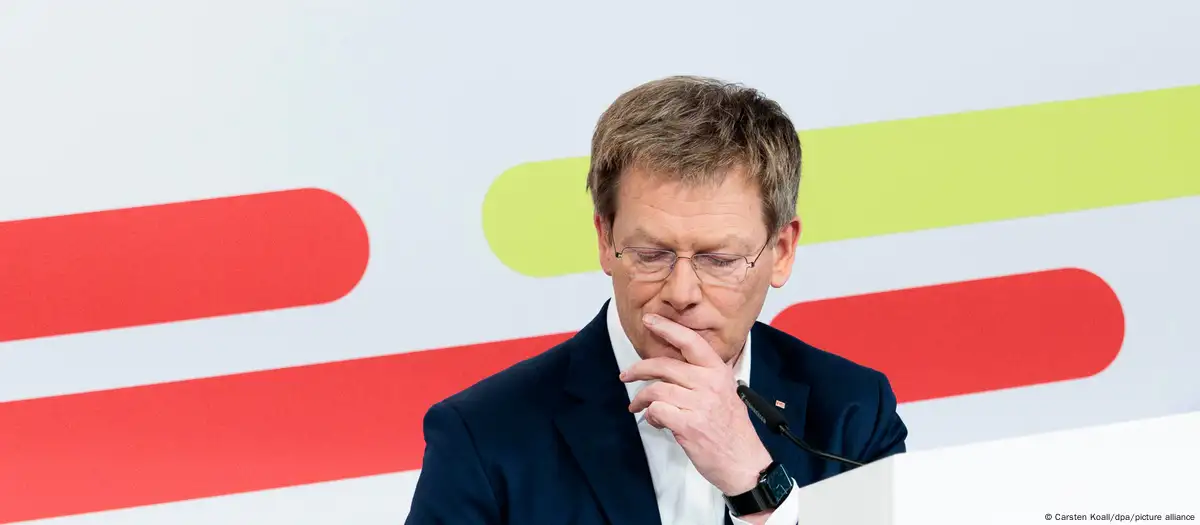
Richard Lutz, the CEO of DB since 2017, was officially dismissed on Thursday as the German government pushes to restructure and modernize the country’s rail system. Lutz, who had been with DB for over a decade—including seven years as its finance director—had a contract running until 2027. That contract has now been cut short.
Transport Minister Patrick Schnieder (CDU) confirmed the dismissal, thanking Lutz “for his efforts in difficult times.” A DB spokesperson said Lutz will remain in a caretaker role until a replacement is named.
“I am sure that he will continue to do all he can for the railway in his remaining weeks,” Schnieder added.
From Model of Efficiency to Crisis Management
Once praised for its punctuality and performance, Deutsche Bahn has in recent years become a symbol of national frustration. Under Lutz’s leadership, long-distance train punctuality fell dramatically—from 78.5% in 2017 to just 62.5% last year. That means over one in three trains arrived late, costing the company nearly €200 million ($232.8 million) in passenger compensation.
DB defines a train as late if it arrives more than six minutes after its scheduled time.
Despite rising ticket prices, the company continues to post annual losses, largely blamed on years of under-investment in infrastructure and outdated management structures.
Unions and Politicians Call Time on Lutz
Lutz’s dismissal was met with approval from key stakeholders, especially the GDL train drivers’ union. Its chairman, Mario Reiss, called the decision “a necessary consequence of years of mismanagement that has led Deutsche Bahn deeper and deeper into the current crisis.”
“This decision was correct and unavoidable,” Reiss said.
Lutz’s departure had been anticipated since Germany’s new government, under Chancellor Friedrich Merz, took office in May. One of its early pledges was to overhaul the country’s ailing transport infrastructure and reform DB’s leadership.
New Era, New Strategy Coming Soon
Transport Minister Schnieder confirmed that the reshuffle at DB is just beginning. He announced that the government would unveil a new railway strategy on September 22, which may also include the appointment of a new CEO.
“Ideally, we’ll be able to present a new chief executive, too,” Schnieder said. “Whether in terms of customer satisfaction, punctuality, or infrastructure—there is a lot of work to do.”
As Germany looks to modernize its transport network and restore public trust in its railways, all eyes are now on who will step in to lead Deutsche Bahn through what promises to be a long journey of reform.