
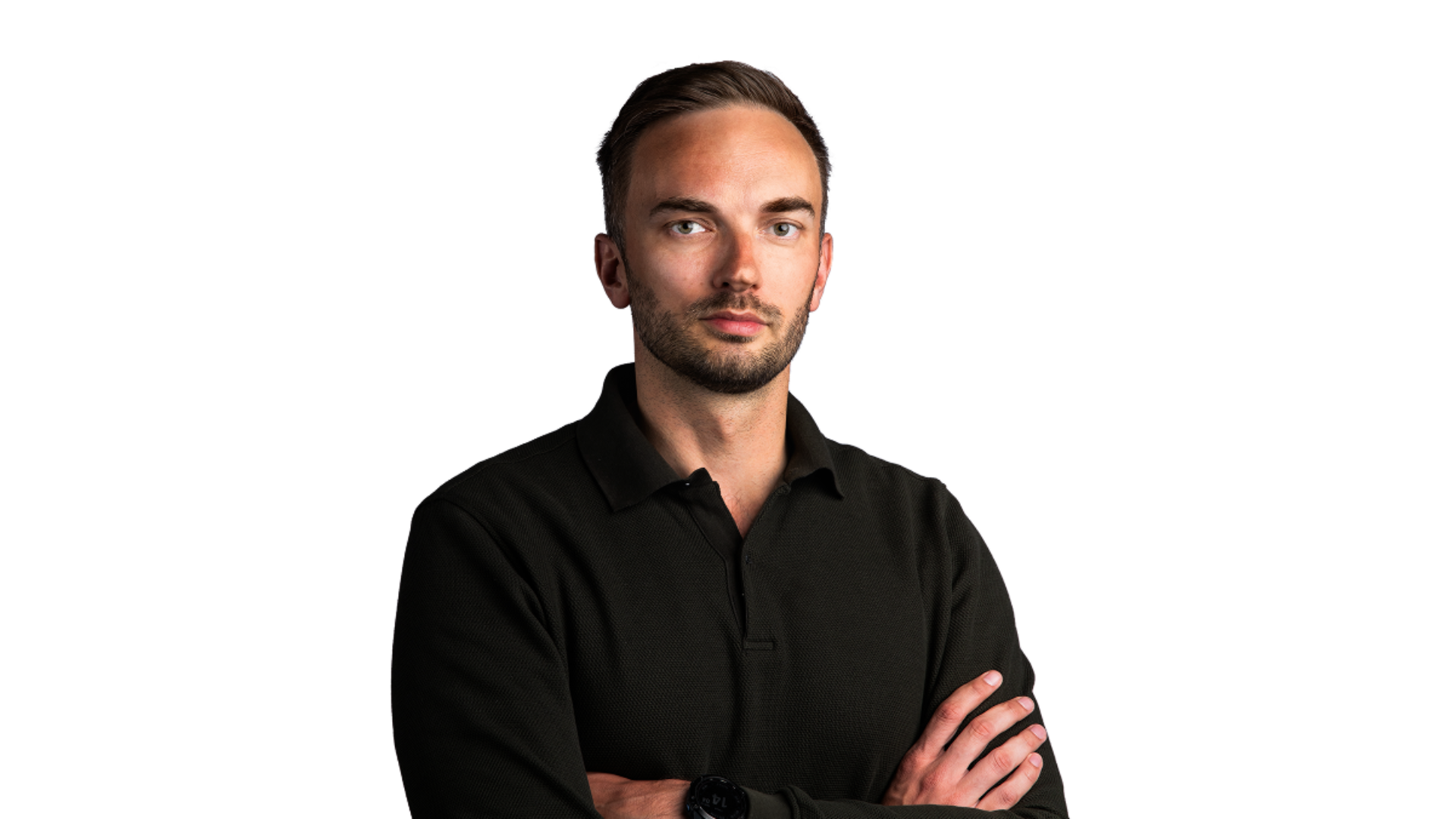
Uwe Horstmann Appointed CEO of Stark Defence: A Strategic Move for Europe’s Defence Tech

In a major appointment in the European defence technology industry, Uwe Horstmann has been made the new Chief Executive Officer (CEO) of Stark Defence, a Berlin startup with a focus on unmanned systems. With his experience as one of the founding partners at venture capital firm Project A, Horstmann offers a rich background in scaling technology startups as well as extensive knowledge of the defence sector.
Background and Expertise
Horstmann is a co-founder of Project A in 2012, making it one of the top early-stage tech investors in Europe with offices in Berlin and London. His company has played a role in supporting many startups, including those within the defence tech sector. Apart from his venture capital experience, Horstmann is also a reserve officer with the German Armed Forces, giving him special insights into the operational requirements and challenges facing contemporary military forces.
Stark Defence’s Brisk Growth
Established in 2024, Stark Defence has become a player to be reckoned with in the European defence industry. Stark Defence focuses on unmanned systems, such as its flagship, the Virtus loitering munition, and Minerva mission control software. These are causing a stir due to their ability to increase military capability in contested environments. Stark Defence products are already operational in Ukraine and are under trial with the German Bundeswehr.
Within its relatively brief lifetime, Stark has seen considerable investment, most recently a $62 million funding deal led by such high-profile investors as Sequoia Capital, In-Q-Tel, and purportedly Peter Thiel. The funding has allowed the business to scale up operations, including opening up a 40,000-square-foot factory in Swindon, UK. The business valuation currently stands at around $500 million, demonstrating investor belief in its growth potential.
Horstmann’s Vision for Stark Defence
As part of his new position, Horstmann sees himself guiding Stark Defence through a period of rapid growth. Priorities involve increasing production capacity, creating longer-range systems, and intensifying partnership with international allies. Horstmann stresses the need for an adaptable and expandable military procurement model, which supports the development of models that can be continuously updated and quickly deployed in order to sustain deterrence abilities. He also underscores the imperative for Europe to build up its industrial capabilities in order to manufacture unmanned systems rapidly, economically, and in sizeable numbers.
Strategic Implications for European Defence
Horstmann’s appointment is timely, as Europe is reviewing its defence strategy in response to recent geopolitical events. The invasion of Ukraine by Russia has highlighted the necessity for state-of-the-art technologies and quick deployment capabilities. Stark Defence’s expertise in unmanned systems sets it up to address these requirements, with innovative solutions capable of advancing Europe’s strategic autonomy.
With Horstmann at the helm, Stark Defence is set to take a leadership role in defining the future of European defence technology. His combination of venture capital background, military expertise, and strategic acumen makes him especially qualified to lead the company through the intricacies of the changing defence environment.
With Stark Defence growing and rolling out advanced technologies, the company’s achievement will be monitored carefully by the industry players and policymakers as well. The leadership of Horstmann opens a new era for Stark Defence and for Europe’s efforts in advanced defence technologies.

