
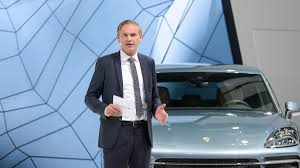
Porsche Navigates Strategic Challenges as CEO Oliver Blume Addresses Business Model Strain

Porsche, the German luxury car manufacturer that has been synonymous with high-performance sports cars, is at a crossroads as its CEO Oliver Blume recognizes that the existing business model for the company is facing pressure from the interplay of several external forces. In an open statement, Blume presented the challenges the company is facing and emphasized the strategic initiatives Porsche is considering to continue reigning in the competitive global automotive market.
External Pressures Affecting Operations
The high-end automotive sector has been battling record headwinds. Porsche is dealing with increases in raw materials, geopolitics uncertainty, and volatility in customer demand in strategic markets like the United States and China. These pressures have been made worse by regulatory shifts and changing emissions requirements, prompting manufacturers to shift production processes and make significant investments in green technologies.
Blume accepted, “The luxury business for automotive manufacturers is changing very fast. External forces, ranging from macroeconomic changes to market-specific trade conditions, are affecting how we do business. We need to evolve in order to stay competitive and continue to provide outstanding vehicles to our customers.”
Cost-Cutting and Operational Efficiencies
To counter these pressures, Porsche is actively seeking cost-cutting initiatives focused on enhancing operational efficiency without lowering quality or innovation levels. Porsche is considering how to streamline manufacturing processes, optimize supply chain functions, and curb overhead expenses. Analysts believe such initiatives will enable Porsche to sustain healthy margins while continuing investment in next-generation automotive technologies.
“These initiatives are necessary to ensure long-term sustainability,” said an industry analyst. “Porsche has a strong brand and loyal customer base, but even premium manufacturers cannot remain insulated from macroeconomic pressures. Strategic cost management is crucial.”
Strategic Adjustments and Innovation
In addition to cost savings, Porsche is also contemplating more sweeping strategic refinements to its business model to better match its business with changing market conditions. The automaker is stepping up its move to electrification, with its Taycan electric sedan being a core part of its electric vehicle (EV) lineup. Further investments in hybrid technology and high-performance EV platforms should help keep Porsche ahead in a market that’s becoming increasingly concerned with being sustainable.
Blume insisted on the necessity for a forward-looking and flexible approach. “Our aim is to marry cost discipline with ongoing innovation,” he stated. “We are looking at how to sharpen our business model to stay agile, responsive, and able to deliver cars that set the standard for performance, design, and technology.”
Investor Confidence and Market Position
Porsche’s forward-looking measures seek to assure investors amidst doubts regarding the luxury car industry. Externally, pressures abound, yet Porsche’s brand power, engineering prowess, and technology innovation capabilities offer a strong basis for resilience. With a blend of operational effectiveness coupled with technology investments, Porsche seeks to protect both its profitability and long-term market standing.
Analysts observe that Porsche’s image for performance, reliability, and luxury is a competitive barrier in even the most turbulent of times. The firm’s capacity for innovation and flexibility should continue to make it appealing to loyal followers as well as new customers in nascent markets.
With the automotive sector undergoing revolutionary changes, Porsche is at a strategic juncture. CEO Oliver Blume’s recognition of the challenges confronting the company is a call to action for flexibility, innovation, and controlled management. Through the introduction of selective cost reductions, streamlining its operating setup, and ongoing investment in electrification and technological innovation, Porsche is setting itself up not only to survive today’s challenges but also to prosper in the changing global automotive environment.
Blume’s leadership emphasizes a commitment to addressing these challenges with vision and accuracy, upholding Porsche as synonymous with performance, luxury, and state-of-the-art automotive technology. The moves the company makes now will set its course for years to come, marking a mix of strategic caution and bold innovation that has long characterized the Porsche brand.

