
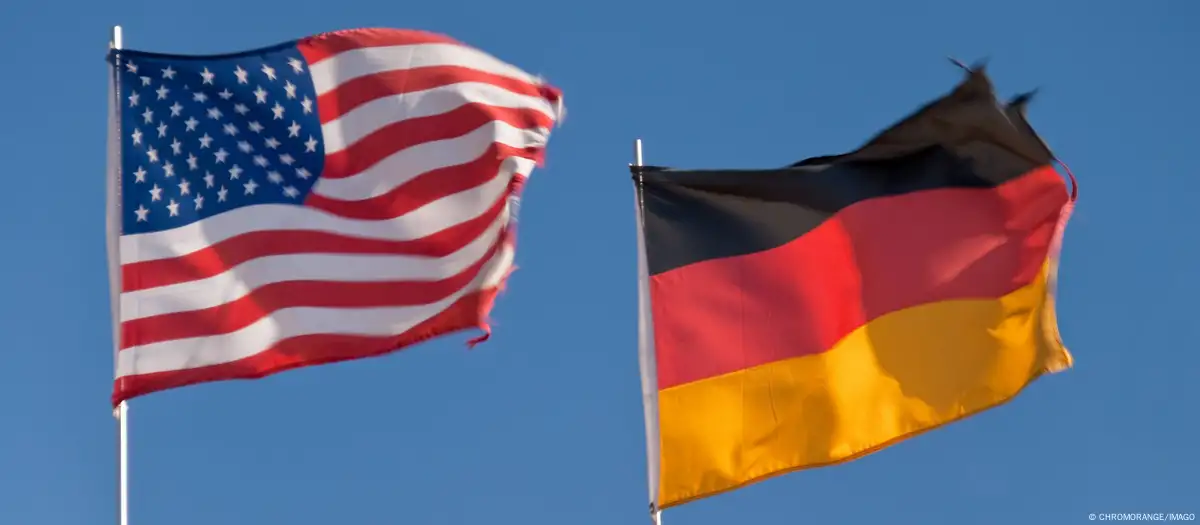
US-German Relations Strained Under Trump’s Second Term: A Historic Alliance on Shaky Ground

Once rock-solid allies, Washington and Berlin now face widening rifts over defense, diplomacy, and global leadership
BERLIN/WASHINGTON – The long-standing alliance between the United States and Germany is under unprecedented strain as President Donald Trump’s second term continues to test one of the West’s most critical diplomatic relationships.
For over seven decades, Germany and the United States have stood shoulder to shoulder — through the Cold War, German reunification, and multiple global crises. But Trump’s return to the White House has brought simmering tensions to the surface, threatening to unravel decades of transatlantic cooperation.
A postwar partnership forged in shared values
After the devastation of World War II, West Germany aligned itself with the United States as a bulwark against Soviet expansion. By joining NATO in 1955, the country cemented its role as a frontline ally in the Cold War.
In the decades since, the US-German partnership has evolved into a cornerstone of global diplomacy. Germany is now the largest economy in Europe and a key player in the European Union, while the US has long relied on Berlin’s support in matters of international trade, security, and climate policy.
Merkel’s warning: A turning point in trust
The first major public rupture came during Trump’s initial presidency (2017–2021). Then-Chancellor Angela Merkel, a staunch transatlanticist, shocked many when she declared in 2017:
“The times in which we could completely depend on others are, to some extent, over.”
Her comments followed tense G7 meetings and Trump’s repeated attacks on NATO allies for “not paying their fair share.” For Germany — a nation deeply committed to multilateralism and diplomacy — Trump’s confrontational tone marked a major departure from the postwar US leadership style.
Second term, deeper divides
Trump’s second term has only widened the gap. In 2025, issues fueling the deterioration of relations include:
- Defense spending disputes: Trump has resumed his criticism of NATO members, including Germany, for allegedly underfunding their military obligations, despite Berlin’s recent increases in defense budgets.
- Trade and tariffs: The Trump administration has threatened new tariffs on German automotive exports and continues to challenge the EU on trade imbalances.
- Climate policy: Germany, a leader in green energy and climate initiatives, has clashed with Trump’s rollback of environmental protections and skepticism toward international climate agreements.
- Ukraine and global security: Germany remains a strong backer of NATO’s support for Ukraine, while Trump has adopted a more isolationist stance, fueling concerns among European leaders about US reliability in crisis scenarios.
Public opinion shifts on both sides
Surveys show a sharp decline in mutual trust. A recent Pew Research Center poll found that fewer than 40% of Germans express confidence in the US president, a stark contrast from the Obama years, when that number was over 80%.
In the US, skepticism toward Europe has also risen among Trump’s base, with some questioning the value of NATO and multilateral institutions that have long defined the US-led world order.
Strategic recalibration: Germany looking East and within
In response, Germany is increasingly exploring alternatives to US partnership:
- Greater EU defense integration: Berlin is pushing for more robust EU-led security frameworks, reducing reliance on American military support.
- China diplomacy: Despite tensions, Germany continues economic engagement with China, viewing it as a necessary — if difficult — partner in global trade.
- Strengthening intra-European ties: France and Germany have deepened their bilateral efforts, including calls for a common European security policy and defense fund.
What the future holds
Though political leaders in Berlin continue to emphasize the importance of the transatlantic bond, there is growing realism about the changing nature of the US-German relationship under Trump.
“We must remain allies,” said a senior German diplomat. “But we cannot ignore that our values and interests are diverging more than ever before.”
A critical juncture for the transatlantic alliance
As the world faces rising geopolitical instability — from war in Eastern Europe to economic uncertainty and climate crises — the fraying of US-German relations could have profound global consequences.
Whether these two historic allies can rebuild trust and chart a shared future depends not only on political leadership but also on their willingness to adapt to a new, more multipolar world.

