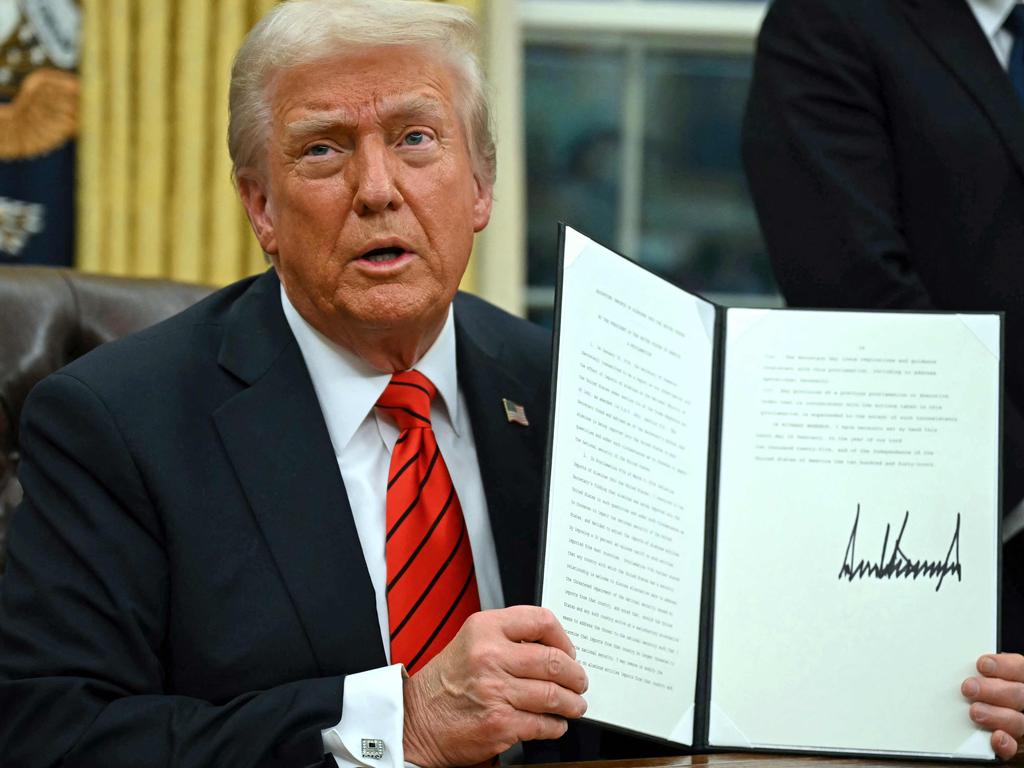

Introduction: A Possible Exemption for Australia on U.S. Tariffs
In a surprising turn of events, Australia may be exempt from U.S. tariffs on steel and aluminium, despite the Trump administration’s usual hardline stance on trade. During a conversation between Australian Prime Minister Anthony Albanese and U.S. President Donald Trump, the possibility of an exemption was brought up, and it seems the president is seriously considering it. But what’s behind this potential exception? Let’s dive in.
The Tariff Debate: Steel and Aluminium at the Center of Trade Talks
Trump’s “No Exceptions” Rule
Since taking office, Donald Trump has been known for his tough stance on trade, especially when it comes to tariffs. His administration imposed hefty tariffs on steel and aluminium imports in an effort to protect U.S. industries and promote American-made products. The move was a part of his broader strategy to reduce the trade deficit and push for fairer trade deals.
However, while Trump has stood firm on his “no exceptions” policy for many countries, Australia might just be one of the rare cases where the president is willing to make an exception. Why? Let’s find out.
A Key Conversation: What Albanese and Trump Discussed
Australian PM Makes His Case
On the day of the call between the two leaders, Prime Minister Anthony Albanese addressed the issue with reporters. He explained that he had raised concerns about the tariffs during his conversation with President Trump. Albanese didn’t just voice frustration; he also suggested that Australia might be an exception when it comes to the tariffs on steel and aluminium.
According to Albanese, President Trump seemed open to the idea, saying the exemption was “under consideration in the interests of both of our countries.” This was a huge step forward in the tariff dispute, as it indicated that the U.S. might be willing to show some flexibility with Australia, a long-standing ally.
The Reason Behind Trump’s Consideration: A Trade Surplus with Australia
The “Airplane Argument”
So why is Trump even considering an exemption for Australia? Trump himself gave the answer in a candid moment during the conversation. He explained that the reason for the potential exemption is simple: the U.S. has a trade surplus with Australia. This means that Australia buys more from the U.S. than it sells, and the U.S. benefits economically from this trade relationship.
Trump also brought up airplanes as a key factor in the trade balance. “The reason is they buy a lot of airplanes,” he said. He continued, explaining that Australia’s geographical distance from the U.S. means the country has a constant need for airplanes. According to Trump, this is a positive trade dynamic for the U.S., and he acknowledged it when considering the possibility of an exemption.
What Does This Exemption Mean for Both Countries?
A Boost to the U.S.-Australia Relationship
If the exemption goes through, it would signal an important step forward in the U.S.-Australia trade relationship. Australia is a crucial ally of the United States in the Indo-Pacific region, and this potential exemption could strengthen economic ties even further. Trump’s favorable consideration is a gesture of goodwill and could lead to more cooperative agreements in the future, especially if other trade issues are resolved more smoothly.
For Australia, being exempted from tariffs would provide a big economic relief, especially for its steel and aluminium industries. It would also ensure that Australian companies can continue to compete in the U.S. market without the added burden of high tariffs.
What’s Next?
Waiting for the Final Decision
As of now, it’s unclear when the U.S. will officially make a decision on whether Australia will be exempt from the steel and aluminium tariffs. However, Prime Minister Albanese remains hopeful that the exemption will come to fruition. He shared that President Trump indicated he would give the issue “great consideration.”
For Australia, the potential exemption would be a significant victory in its ongoing efforts to maintain strong economic ties with the U.S. The next few weeks will reveal if the U.S. government decides to grant that exemption, making this a story to keep an eye on.
Conclusion: Australia’s Strong Trade Relationship with the U.S. Could Be Key
While Trump’s “no exceptions” rule has shaped the trade policies of the U.S., Australia’s trade surplus with the U.S. and its need for airplanes are giving it a unique edge in these discussions. With both countries benefiting from a strong economic partnership, the potential for a tariff exemption could pave the way for even greater cooperation and growth.
In the coming weeks, we’ll find out if Australia’s relationship with the U.S. will lead to exceptional treatment on trade tariffs – an outcome that would benefit both nations in the long run.