Russia’s Medvedev Slams Germany’s Merz, Comparing Him to Nazi Propaganda Chief Goebbels

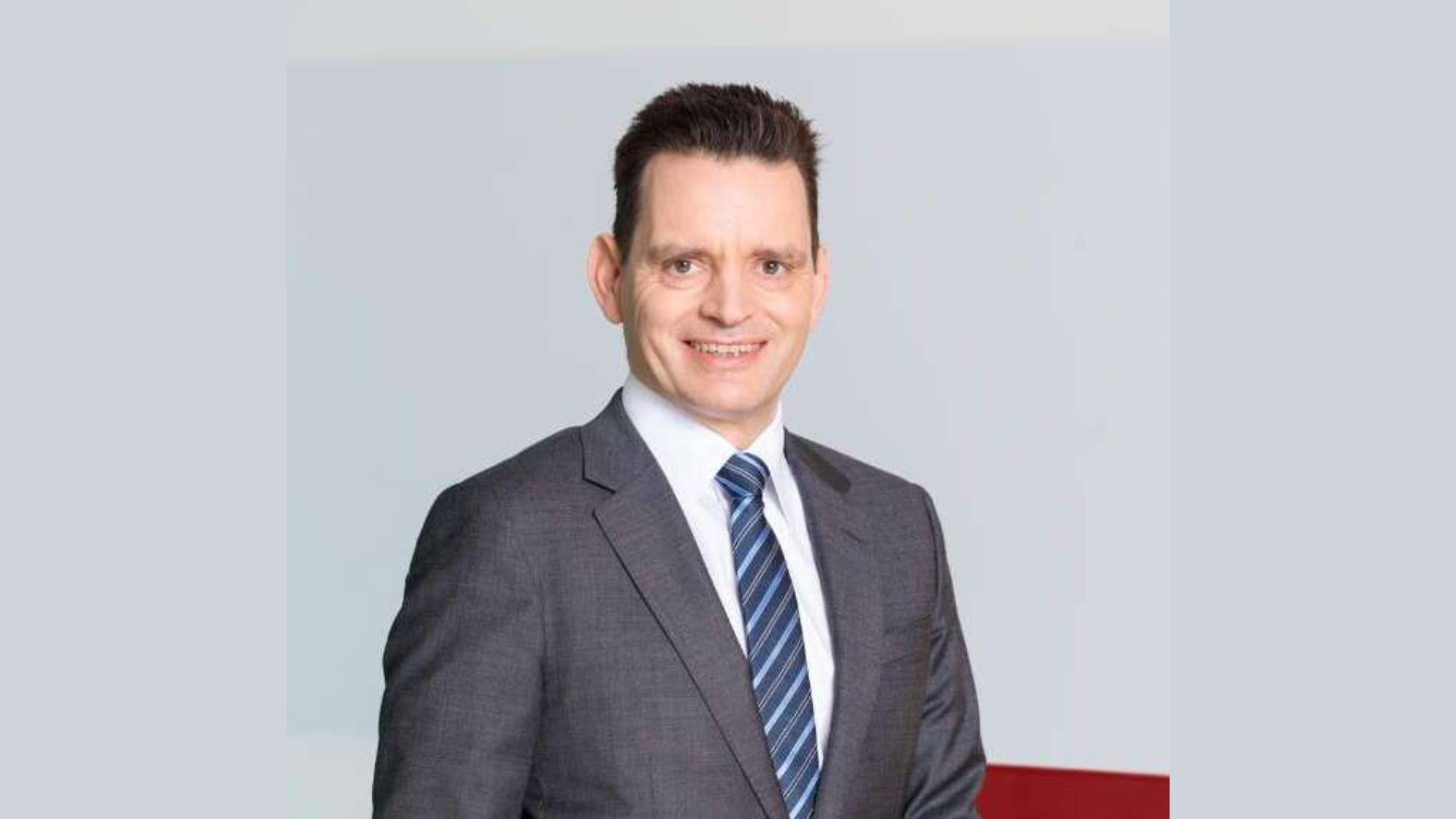
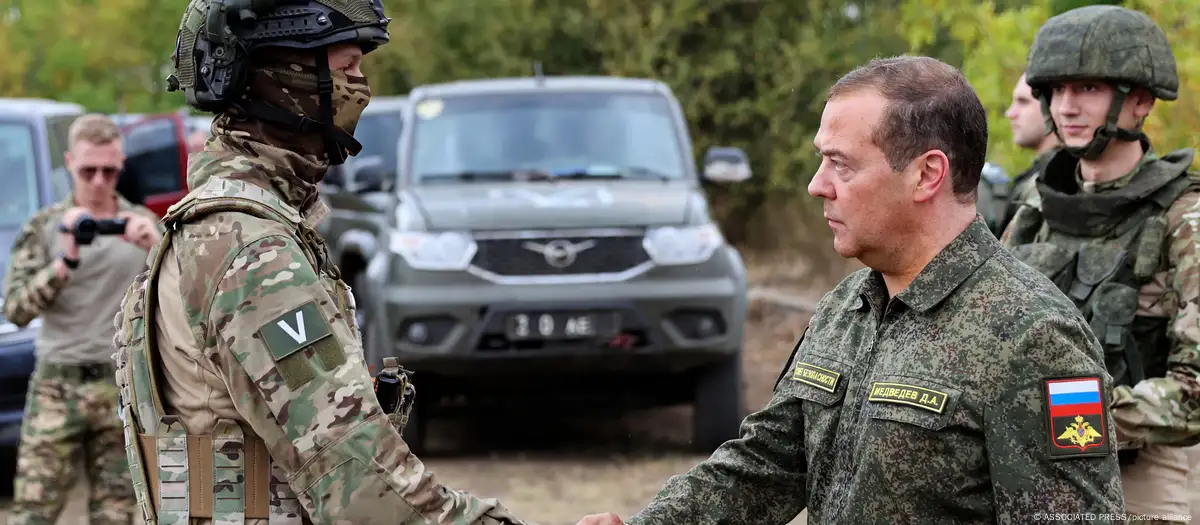
In a heated exchange of words, Dmitry Medvedev, the former President and current Deputy Head of Russia’s Security Council, recently compared Friedrich Merz, Germany’s likely next chancellor, to Nazi propaganda chief Joseph Goebbels. Medvedev’s fiery comment comes amid rising tensions between Russia and Germany, particularly over the war in Ukraine and Germany’s stance on defense spending.
This comparison has raised eyebrows worldwide, especially considering the weight of Goebbels’ legacy in Nazi history. But what prompted Medvedev’s harsh words, and what does it mean for the future of German-Russian relations?
What Did Medvedev Say About Friedrich Merz?
The Telegram Post
On Thursday, Dmitry Medvedev took to Telegram, a popular Russian messaging app, to criticize Friedrich Merz after the German politician made comments about Russia’s actions in Europe. Merz, who is a leading figure in the Christian Democratic Union (CDU) and widely considered Germany’s likely next chancellor, made statements during a German parliamentary debate on defense spending.
In his remarks, Merz accused Russia of not just waging war on Ukraine, but on all of Europe. He outlined a range of activities he believed Russia was carrying out against European countries, including cyber-attacks, espionage, disinformation campaigns, and even direct physical threats like contract killings and destruction of infrastructure.
Medvedev, in response, took issue with Merz’s statements, particularly those implying Russia’s actions were not just focused on Ukraine but on the entire continent. His Telegram post included a direct comparison of Merz to Joseph Goebbels, the Nazi regime’s infamous propaganda minister who spread hate-filled messages during World War Two.
Medvedev wrote: “You’re not in power yet but already lying like Goebbels,” referring to Merz’s accusations about Russia. He also added a chilling line about World War Two: “Nazi Germany attacked us like this from 1941-1945. We know how it ended. Bad start, Fritz! Hope it ends the same way for you.”
Why Did Medvedev Compare Merz to Goebbels?
The Goebbels Legacy
Joseph Goebbels, Nazi Germany’s chief propagandist, is a figure deeply associated with spreading racist, nationalistic, and hateful ideologies that fueled the horrors of the Holocaust and World War Two. His legacy is synonymous with manipulating the truth and spreading dangerous lies, making him one of the most notorious figures in history.
By comparing Merz to Goebbels, Medvedev was trying to draw a parallel between Merz’s words and the Nazi propaganda tactics of the past. Medvedev’s accusation is significant because it taps into the potent symbolism of Goebbels’ role in Nazi Germany, which is still a highly sensitive topic, particularly in Germany and Russia, both of which were deeply affected by World War Two.
Medvedev’s comparison reflects his disapproval of Merz’s comments about Russia’s role in Europe, which he viewed as exaggerated and inflammatory. By invoking Goebbels, Medvedev aimed to discredit Merz’s statements and frame them as propaganda rather than genuine concerns about security.
A Historical Context
Medvedev’s words also echo Russia’s broader narrative of the war in Ukraine. The Russian government has continuously framed its actions in Ukraine as part of a defense against what it calls the “collective West.” Russia’s war against Ukraine is often presented domestically as a continuation of the Great Patriotic War, a term used in Russia to describe the Soviet Union’s fight against Nazi Germany. By invoking Goebbels, Medvedev was not just criticizing Merz but also drawing a historical connection to Russia’s ideological stance in the current conflict.
The Tensions Between Russia and Germany
Germany’s Role in Supporting Ukraine
Germany has been one of the strongest European supporters of Ukraine throughout its war with Russia. From providing military aid to implementing economic sanctions against Russia, Germany has been a key player in the Western response to Russia’s aggression. However, these actions have made Germany a target for criticism from Russian officials, who view Germany’s support for Ukraine as a betrayal of Russia’s interests.
Friedrich Merz has been vocal about Russia’s actions, and his statements during the parliamentary debate were a direct reflection of Germany’s stance on defense and security in Europe. Medvedev’s comments come at a time when relations between Russia and Germany are particularly strained, with the ongoing conflict in Ukraine and differing views on how to handle Russia’s aggression.
Medvedev’s Political Strategy
Medvedev’s Role in Russian Politics
Dmitry Medvedev is a key figure in Russia’s political landscape. He served as Russia’s president from 2008 to 2012, and later as prime minister under Vladimir Putin. Medvedev is currently the deputy head of Russia’s Security Council, which plays a crucial role in shaping Russia’s national defense policies.
Medvedev’s position within the Russian government means his words carry weight. By comparing Merz to Goebbels, Medvedev is not just making a personal attack but also reinforcing the Kremlin’s narrative about the war in Ukraine and the West’s involvement. Medvedev’s role in Russian politics means his comments are often seen as reflecting the official stance of the Russian government.
The ‘Undesirable’ Label
In addition to his comments about Merz, Medvedev also hinted at Russia’s broader strategy of labeling certain organizations or individuals as “undesirable.” Recently, the Kremlin has declared various foreign political entities and NGOs as “undesirable,” which means they face restrictions in Russia. These organizations are often accused of interfering in Russia’s internal affairs or promoting policies that contradict the Kremlin’s stance.
The comparison to Goebbels, combined with Russia’s labeling of organizations as “undesirable,” signals that the Kremlin is willing to use strong rhetoric and policies to combat what it perceives as Western influence in its sphere of control.
The Impact of Medvedev’s Remarks
Further Escalation of Tensions
Medvedev’s comments about Merz are likely to escalate tensions between Russia and Germany. The use of Nazi imagery in political discourse is always charged, and Medvedev’s comparison is a provocative attempt to undermine Merz’s credibility. It could also make it more difficult for Germany to engage with Russia diplomatically, as such inflammatory language deepens the divide between the two countries.
This kind of rhetoric is also reflective of Russia’s broader approach to dealing with the West, particularly in the context of the ongoing war in Ukraine. The Kremlin is using historical references to rally domestic support while vilifying Western leaders and politicians who speak out against Russia’s actions.
Merz’s Response
Friedrich Merz, for his part, has yet to publicly respond to Medvedev’s comparison. However, as Germany’s likely next chancellor, Merz will likely continue to criticize Russia’s actions and defend Germany’s support for Ukraine. His stance on Russia is unlikely to soften in response to Medvedev’s words, which may only reinforce his position as a strong advocate for Ukraine’s sovereignty.
A Dangerous Game of Propaganda
Dmitry Medvedev’s comparison of Friedrich Merz to Joseph Goebbels is a bold and controversial move in the ongoing war of words between Russia and the West. By invoking the legacy of Nazi propaganda, Medvedev seeks to discredit Merz and his criticism of Russia. However, this rhetoric is also part of a larger strategy by Russia to frame its actions as part of a broader historical narrative and to rally domestic support against the West.
For Merz, Medvedev’s words are likely to be seen as a badge of honor, reinforcing his position as a staunch opponent of Russia’s aggression. But for Germany and the international community, Medvedev’s remarks are a stark reminder of the dangers of historical revisionism and the toxic power of propaganda.