
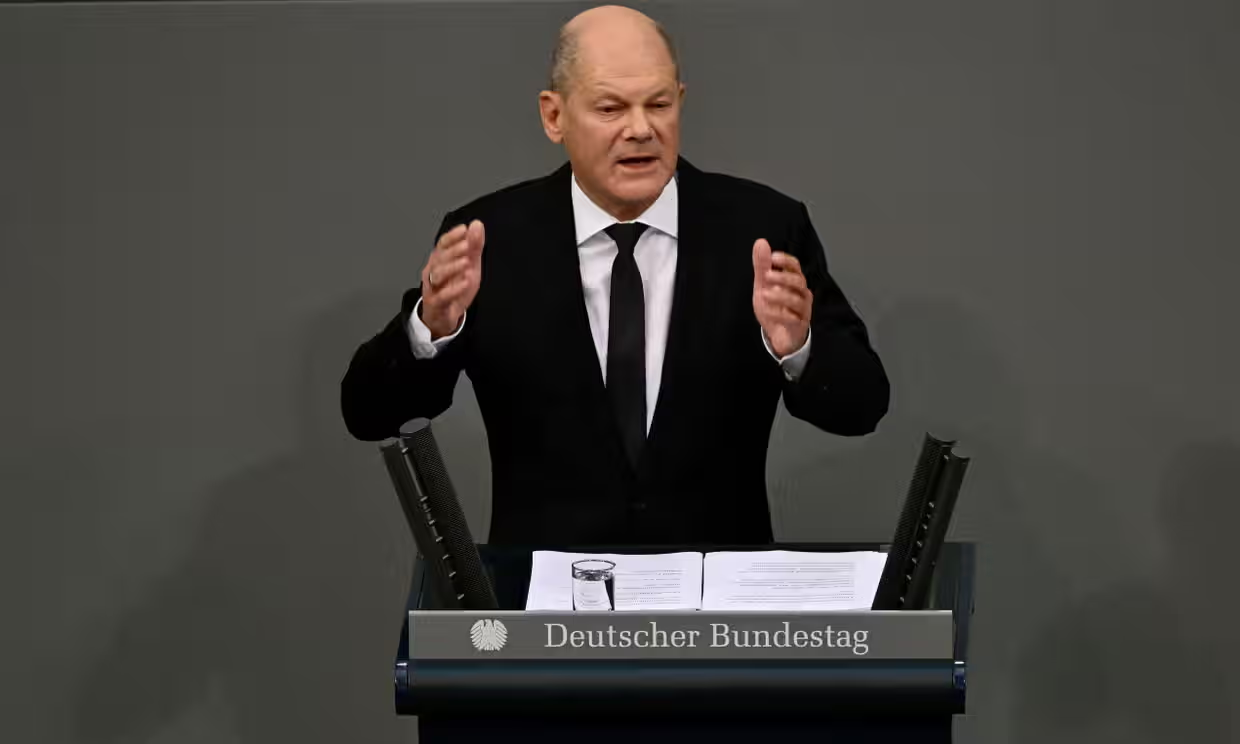

Chancellor Scholz Stands Firm on Asylum Rights Despite Calls for Border Law Overhaul
German Chancellor Olaf Scholz has strongly defended the right to asylum in Germany, pushing back against demands for a radical change in the country’s immigration and border laws. This comes after a recent attack in Aschaffenburg, where a perpetrator allegedly misused the protection granted by the asylum system. Despite the public outcry, Scholz insists that asylum rights are fundamental to Germany’s values and legal framework.
The Asylum Debate: Why is Scholz Defending It?
In a speech addressing the German Bundestag, Scholz emphasized that the right to asylum is central to Germany’s legal and moral identity. He said, “The right to asylum is an integral part of our legal and value system. We must not abandon it today.”
While acknowledging the security concerns raised by recent events, the Chancellor argued that asylum law should not be weakened. He also addressed the Aschaffenburg knife attack from the previous week, calling it a “heinous, monstrous crime.”
The attack has sparked debates across Germany, with some people questioning whether those granted asylum should be allowed to remain if they commit violent acts. Scholz condemned the attack, calling it an act that “deeply unsettled” citizens. He also pointed out that the perpetrator in this case was someone who should not have been allowed to remain in Germany or at least not be free to commit such crimes.
An “Enforcement Deficit” is the Real Issue, Says Scholz
Despite his firm stance on asylum rights, Scholz admitted that there are weaknesses in enforcement at the state level. According to the Chancellor, some violent attacks could have been prevented with existing laws if they had been enforced more rigorously. His comments suggest that the real issue isn’t the asylum system itself but rather the failure to properly implement and enforce the laws that are already in place.
Scholz’s remarks are likely to fuel further debate on whether Germany’s asylum process needs to be tightened or if the focus should instead be on better enforcement of the laws governing asylum seekers and foreign nationals.
The Growing Security Concerns: Is Germany’s Asylum System Failing?
Germany has long prided itself on being a welcoming country for refugees and asylum seekers. However, incidents like the Aschaffenburg attack and another stabbing in Magdeburg have raised growing concerns among the public about the safety of the community and whether Germany’s asylum policies need an overhaul. Some political parties, particularly those on the right, have argued that Germany needs to take a tougher stance on immigration, suggesting that asylum laws are being abused by individuals who do not deserve to be in the country.
However, Scholz and other center-left politicians have continued to support the right to asylum, warning that making drastic changes could undermine Germany’s commitment to human rights and international refugee conventions.
What Happened in Aschaffenburg and Magdeburg?
The Aschaffenburg attack that Scholz referred to involved a deadly stabbing allegedly carried out by a man who was granted asylum in Germany. Reports indicated that the suspect, an Afghan national, was not supposed to be in the country or at least not free to commit such an attack. The incident, along with another attack in Magdeburg, has raised alarms about criminal activity among asylum seekers and the effectiveness of the country’s border laws.
Scholz emphasized that the perpetrator in both cases should not have been allowed to be in Germany at large. The attacks have pushed Germany’s security forces and politicians to reassess how individuals who are granted asylum are monitored and how their legal status is managed once they are in the country.
EU Proposes New Restrictions on Russian Tech Exports Amid Sanctions
In related news, the European Commission has proposed additional sanctions on Russia as part of its ongoing efforts to pressure the country over its ongoing invasion of Ukraine. The 16th package of sanctions includes new restrictions on the sale of video game consoles and controllers to Russia.
The proposal targets popular gaming systems such as Xbox, PlayStation, and Nintendo Switch, as well as gaming controllers, flight simulator joysticks, and other devices used with video game consoles. These products are now included in the sanctions, which aim to limit Russia’s access to consumer technologies that could support its war effort or boost its economy.
What Does This Mean for the Tech Industry?
The inclusion of video game consoles and accessories in the European Union’s sanctions package signals a shift in strategy when it comes to imposing penalties on Russia. While much of the focus has been on energy and military equipment, this latest round of sanctions shows that the tech sector is increasingly seen as part of the broader effort to cripple Russia’s economy.
Companies like Microsoft, Sony, and Nintendo could face financial losses as a result of these restrictions, but the EU’s goal is to further isolate Russia from Western markets and technologies that could benefit its military and economic interests. The move also reflects broader concerns about Russia’s use of technology and digital tools in its military operations.
The Bigger Picture: What’s Next for Germany and Europe?
As Germany grapples with its asylum policies and ongoing concerns about security and immigration, it is also facing pressures from international developments, like the sanctions against Russia. The country, along with the EU, is navigating a complex political and economic landscape, balancing human rights with public safety and addressing the geopolitical challenges posed by Russia’s actions.
Scholz’s stance on asylum rights may face continued resistance from political opponents, particularly in light of the recent attacks. However, he remains adamant that asylum should remain a right, with reforms focusing more on enforcement rather than overhauling the laws themselves.
For Europe as a whole, the sanctions against Russia are likely to continue as part of a broader effort to support Ukraine and punish Russia for its aggression. Meanwhile, Germany’s ongoing debate over asylum will continue to shape its domestic policies and interactions within the EU.

