
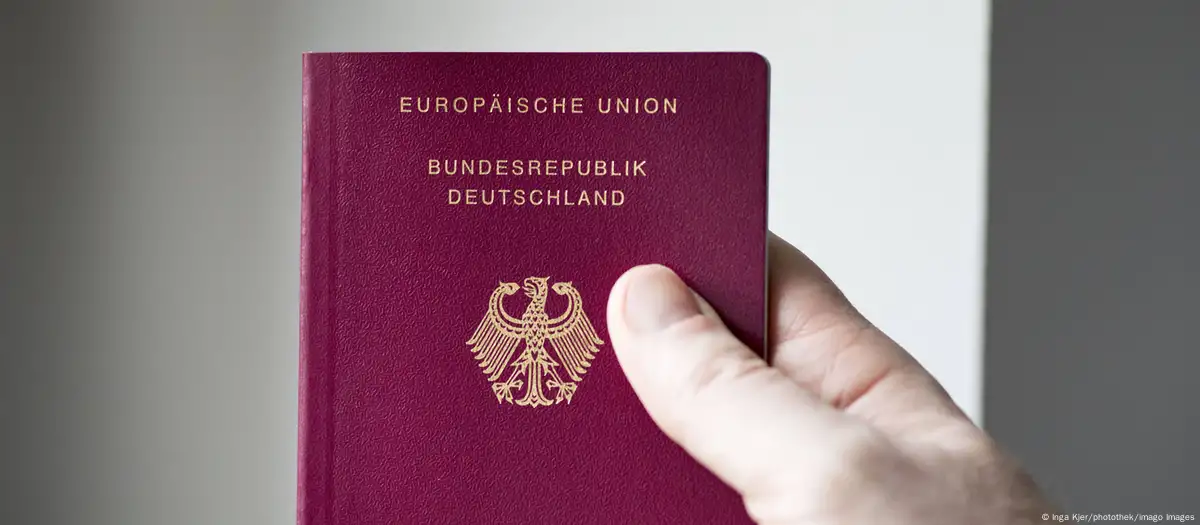
New German Government to Scrap 3-Year Fast-Track Citizenship — But Dual Citizenship Stays

Germany’s New Coalition to Tighten Citizenship Rules
Germany’s next government is already making waves—and one of its first big moves is aimed at reshaping how immigrants become citizens. The incoming coalition, made up of the Conservative CDU/CSU and the center-left Social Democrats (SPD), has announced plans to abolish the current fast-track 3-year path to citizenship.
While dual citizenship will remain, the rollback of the accelerated naturalization process signals a more cautious—and possibly more conservative—approach to immigration and integration policies under the new leadership.
Here’s what’s changing, why it matters, and how it could affect people living in Germany today.
What’s the 3-Year Citizenship Rule?
In 2024, Germany passed legislation allowing certain foreign nationals to apply for German citizenship after just three years of residency, down from the traditional eight-year path. To qualify for this fast-track route, applicants had to:
- Demonstrate exceptional integration, such as strong language skills or civic involvement
- Be financially independent
- Have no criminal record
The goal was to attract skilled migrants and recognize those who had quickly adapted to life in Germany.
What the New Government Wants to Do
Under the newly formed CDU-SPD coalition, the 3-year option will be abolished, according to sources close to the coalition’s draft policy agenda. Instead, the government wants to return to stricter, more uniform timelines for naturalization—likely in the range of five to eight years.
Why the Change?
The incoming government says the change is about preserving the “value of citizenship” and ensuring a more consistent process for all.
“Citizenship should be the final step in successful integration, not the starting point,” said one CDU spokesperson.
However, critics argue the move risks discouraging high-achieving migrants, especially at a time when Germany is dealing with labor shortages and demographic decline.
Dual Citizenship Will Stay
While the fast-track is being cut, dual citizenship is here to stay. This is a significant win for advocates who have long pushed for more inclusive citizenship laws in Germany.
Previously, Germany required most naturalized citizens to give up their original nationality, but that changed under the 2024 reform law. The new government has decided not to reverse this aspect, recognizing that dual identities are increasingly common in a globalized world.
Who Will Be Affected?
The rollback of the 3-year fast-track could impact:
- Skilled foreign workers who came to Germany hoping for a faster path to citizenship
- Refugees and asylum seekers who have rapidly integrated
- International students and graduates planning to stay and build careers
For many of these groups, German citizenship offered full political participation, job market mobility, and travel freedom across the EU. Now, they may face longer waits and stricter conditions.
Political Calculations Behind the Move
This change reflects a balancing act within the coalition. The CDU, Germany’s conservative bloc, has long pushed for tighter immigration controls and more emphasis on cultural integration. Meanwhile, the SPD supported the 2024 reforms and is seen as more migration-friendly.
By eliminating only the fast-track path but keeping dual citizenship, the coalition seems to be trying to appease both sides of the political spectrum—and voters.
Public Reaction: Mixed and Divided
So far, reactions across Germany are split:
Supporters Say:
- Citizenship should be earned over time, not rushed.
- The 3-year path was too lenient and confusing.
- Longer timelines ensure better language and civic integration.
Critics Argue:
- The rollback could discourage talent from settling in Germany.
- It’s a step backward in terms of modern immigration reform.
- It may disproportionately affect already well-integrated individuals.
Organizations that support migrants and refugees have already voiced concern, calling the move “a missed opportunity for inclusion.”
Final Thoughts: A New Tone on Citizenship
With this decision, Germany’s new government is sending a clear message: it wants citizenship to remain a serious, structured process—even as it keeps doors open to dual identity and continued migration.
This could mark the start of a broader shift in how Germany approaches integration, belonging, and national identity in a changing Europe.
As the coalition takes shape and official policies roll out, all eyes will be on how these changes are implemented—and how they impact the millions of people living, working, and building their futures in Germany.