Nationwide Chaos in Greece: 24-Hour Strike Shuts Down Transport and Schools Over Soaring Living Costs

Greece Comes to a Standstill as Workers Strike Over Rising Costs
On Wednesday, Greece experienced widespread disruption as workers across the country took part in a 24-hour general strike. The strike, called by labor unions, halted transport services, shut down schools, and brought many sectors of the economy to a grinding halt. The protests were sparked by growing frustration over the skyrocketing cost of living and the demand for higher wages to match the rising inflation.
What Sparked the Strike?
Greek unions are demanding that the government address the soaring costs of living, which have hit workers hard. The country has been grappling with inflation for months, and workers argue that wages have not kept up with the increasing prices of everyday goods, rent, and services.
Public sector workers are asking for a 10% wage increase, citing the significant financial strain caused by inflation. They also want the government to restore the 13th and 14th-month salaries that were cut during Greece’s financial crisis, which began in 2010 and lasted nearly a decade. These cuts had a huge impact on workers, and many feel it’s time to reverse them, especially as the country’s economy begins to recover.
The strike’s poster, issued by GSEE (Greece’s largest private sector union), states: “Prices and rents have skyrocketed, while wages are at a low point.” This reflects the feelings of many workers, who say they are struggling to make ends meet as their earnings remain stagnant while living costs climb.
The Impact of the Strike Across Greece
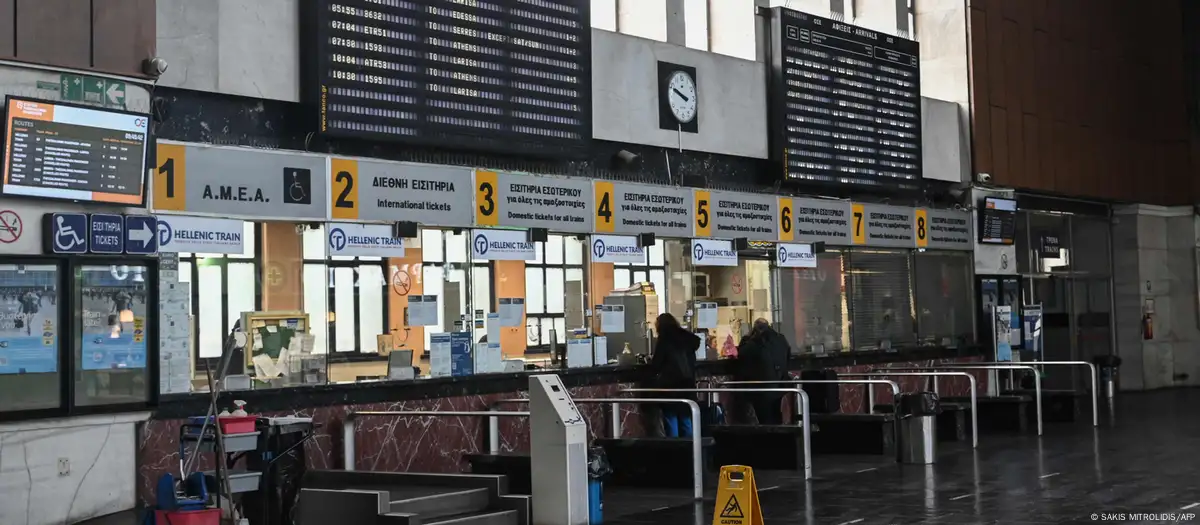
The strike brought major disruptions to daily life in Greece. Key transport services were halted, causing chaos in the capital, Athens, and throughout the country. The Athens Metro was suspended for several hours, leaving many commuters stranded, while ferries that connect the Greek islands with the mainland were also tied up in port.
Schools, nurseries, and government offices were completely closed, with only emergency services being provided in public hospitals. Public sector workers, teachers, and other employees participated in the strike to show their discontent with the government’s handling of inflation and wage issues.
In addition to the widespread closures, journalists across Greece also took part in the action. On Tuesday, they held their own 24-hour strike, suspending all news broadcasts to show solidarity with the general strike. This added to the growing tension and sense of unrest across the nation.
Who Is Joining the Protest?
The strike saw participation from a wide range of workers and unions, including both public and private sectors. Employer unions have also joined the call, urging the government to take “substantial measures” to help workers live with dignity in the face of rising living costs. Their message is clear: workers need better wages and support to cope with the financial pressures they are facing.
While many sectors were affected, certain businesses remained open during the strike. Supermarkets, kiosks, and taverns continued operating as usual, as did most self-employed workers, including taxi drivers. These businesses, however, did not escape the impact of rising inflation and wage concerns, and many have been expressing solidarity with the striking workers.
Why Now? The Cost of Living Crisis in Greece
The cost of living in Greece has been rising steadily for months, with the prices of basic goods, services, and rent seeing sharp increases. Many Greek families are struggling to cover their day-to-day expenses, and the gap between wages and living costs is widening.
Inflation is a key concern, with food prices, utilities, and rent all contributing to the rising costs. The Greek government has made efforts to address some of these challenges, but for many workers, these measures have not been enough. With wages remaining largely stagnant while costs keep climbing, many feel they are being left behind.
This has led to increased dissatisfaction and frustration with the government, which has yet to offer significant solutions. The 24-hour strike is the latest in a series of protests and demonstrations in Greece, as workers demand more support and fair compensation for their labor.
What Happens Next?
The 24-hour strike may have ended, but the demands for better wages and action on the cost of living crisis are far from over. Greece’s unions have promised to continue advocating for higher wages, restored benefits, and more government action to help citizens deal with inflation.
While the government has not yet responded directly to the calls for wage hikes, the strike has sent a strong message about the growing discontent among Greek workers. Whether the government will take steps to address these issues remains to be seen, but with more protests likely in the future, the situation is clearly a key concern for many Greeks.
Conclusion
Greece’s 24-hour general strike highlighted the frustrations of workers across the country who are struggling with rising living costs. The strike caused widespread disruption, including halted transport services and closed schools, as unions pushed for higher wages and the restoration of lost benefits. With inflation continuing to rise, many workers are demanding immediate action from the government. As the situation continues to develop, it is clear that the cost of living crisis remains a major issue that the Greek government will need to address moving forward.