
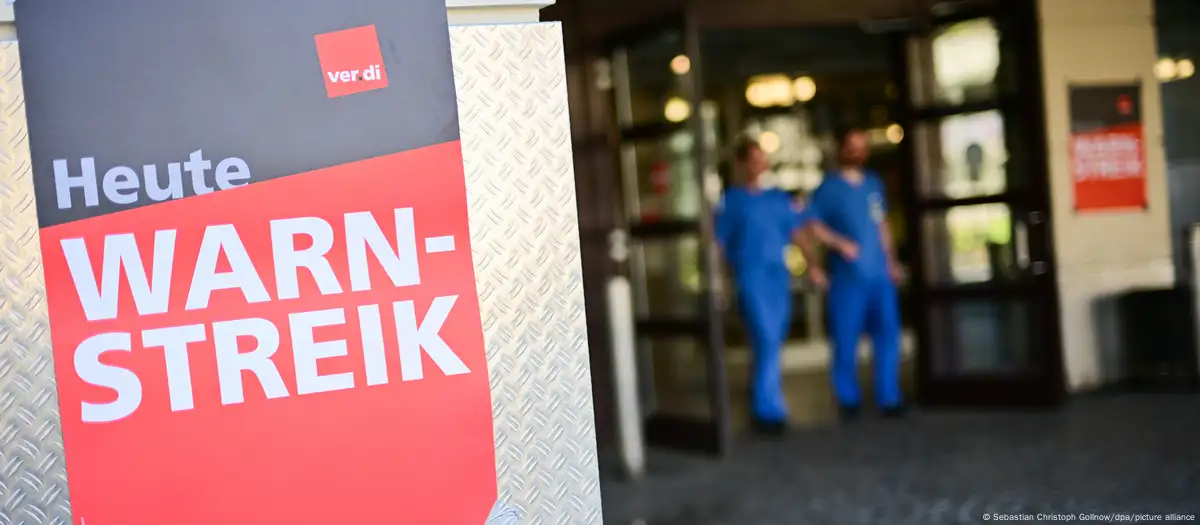

Germany’s healthcare workers have taken to the streets in a single-day strike, demanding better pay and improved working conditions. With over 200 facilities involved, including significant participation in Berlin, the strike is a clear message from workers who are calling for fair treatment in the face of inflation and challenging work conditions. Here’s what you need to know about this escalating labor dispute and what it means for both healthcare workers and the German public.
Why Are Healthcare Workers Striking?
On Thursday, healthcare workers across Germany went on strike, protesting against the current labor conditions and seeking a new contract that addresses their needs. The strike is part of ongoing negotiations between the Verdi trade union and the federal and local governments. The key demands from the union include an 8% pay raise, increased bonuses, and additional paid vacation days for healthcare workers, many of whom feel overworked and underpaid, especially in the face of the ongoing cost of living increases.
The Verdi union, which represents public-sector employees including those in healthcare, transportation, and firefighting, has been pushing for these changes to improve the lives of the estimated 2.5 million public workers affected by these negotiations.
The Demands: What Are the Workers Asking For?
The healthcare workers are making several demands during this round of negotiations:
- 8% Pay Raise – Workers are seeking a substantial increase in their salaries, reflecting the inflation rates and the challenging work conditions they have endured, particularly during the COVID-19 pandemic.
- Increased Bonuses – Many healthcare workers feel that their efforts should be rewarded with bonuses that reflect their hard work, especially after the extraordinary pressure placed on them in recent years.
- More Paid Vacation – Healthcare jobs are demanding and stressful. Workers are asking for additional time off to help them manage burnout and maintain their well-being.
These demands come after years of increased workload for healthcare professionals, particularly in emergency and intensive care, which have seen heightened pressure as a result of the pandemic. Many workers feel they are not being fairly compensated for their sacrifices.
What Are the Employers Saying?
On the other side of the negotiations, VKA (the municipal employers’ associations) has rejected the union’s demands, calling them “unaffordable” for municipalities. According to VKA, fulfilling the union’s demands would increase costs by approximately 11%, which would lead to an annual loss of €15 billion ($16 billion).
VKA representative Niklas Benrath stated that shutting down essential services during strikes primarily “harms citizens” and that the employers are looking for a “sustainable solution” to resolve the issue. However, he emphasized that municipalities face financial constraints and cannot meet the union’s demands without risking further economic strain.
The disagreement between the two sides continues to widen, with no clear resolution in sight.
The Impact on the Public: Is Emergency Care Affected?
While the strike has caused disruption in several parts of Germany, it is important to note that emergency care has been unaffected by the walkout. This means that while some regular services, such as routine appointments and non-critical procedures, may be delayed, critical care remains operational.
The strike has primarily focused on healthcare facilities in Berlin, with approximately 800 workers participating in the action. The fact that emergency services have remained intact is a relief to many, but the strike still highlights the growing tension between workers and employers.
What’s Next? The Third Round of Negotiations
The strike is not the final step in this process. The third round of negotiations is scheduled to take place next week in Potsdam, just outside Berlin. This round could be a critical turning point in resolving the dispute, as both sides have shown little willingness to compromise at this stage.
As both parties continue to haggle over the terms of the new contract, the workers’ frustration is growing. The pressure is mounting on the government to address their demands, or we may see further strikes that could escalate.
How Will This Impact Healthcare in Germany?
If the dispute continues, it could have long-lasting effects on Germany’s healthcare system. The ongoing strikes highlight a national concern about the working conditions and compensation of healthcare workers, who have been at the forefront of battling public health crises.
The Verdi union has emphasized that the current working conditions are unsustainable for the workforce, and that failing to meet their demands will only worsen the shortage of skilled professionals in Germany. Many workers are considering leaving the profession due to burnout, which could lead to a worsening of Germany’s already stretched healthcare system.
On the other hand, municipalities are understandably concerned about the financial burden these demands would place on their already tight budgets. With rising costs, especially in the wake of the pandemic, local governments are struggling to balance their books while ensuring that essential services continue to operate smoothly.
Will the Strike Lead to Change?
Germany’s healthcare workers are sending a strong message with their strike: they are overworked, underpaid, and looking for a change. As the negotiations continue, it will be crucial for both sides to find common ground. The upcoming round of talks will likely determine whether Germany’s healthcare workers will see improvements in their pay and working conditions or whether the conflict will deepen, leading to more disruptions in the future.
For now, the strike has ended, but the battle for better conditions is far from over. Both the Verdi union and municipal employers are under pressure to reach a deal that balances the needs of healthcare workers with the financial realities of local governments. Whether they can find a solution remains to be seen, but one thing is clear: the healthcare sector in Germany needs urgent attention.