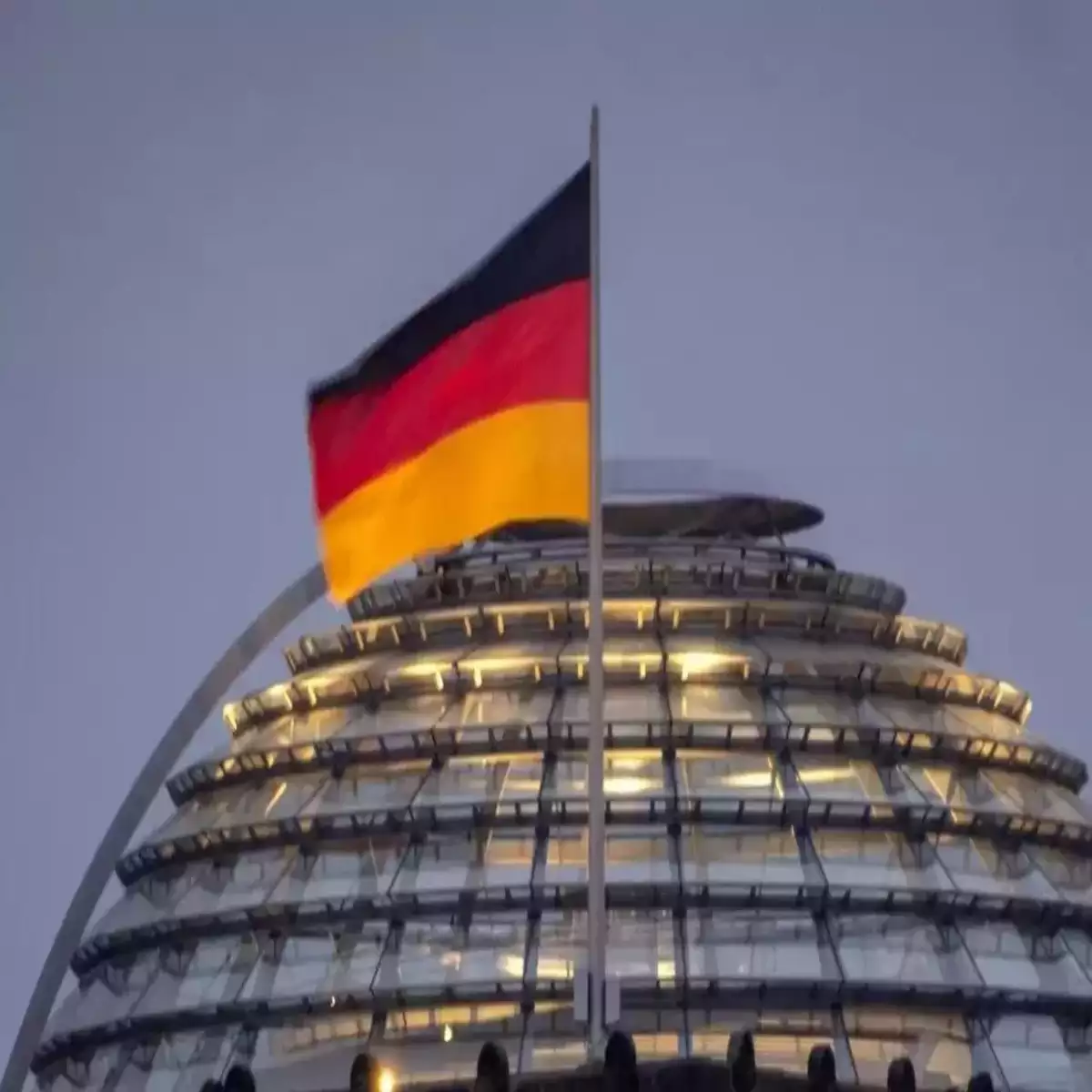

Germany, traditionally known for its industrial prowess and large corporations, has increasingly focused on developing its startup ecosystem to sustain economic growth and foster innovation. In a bid to secure its position as a global leader in the digital and green transformation, the German government has introduced the Second Financing for the Future Act. This financial package aims to address the challenges faced by startups and young companies, particularly in accessing venture capital, navigating complex tax regulations, and expanding into the renewable energy sector. The initiative, while promising, must still undergo parliamentary approval before becoming law. Here’s a closer look at what the Second Financing for the Future Act entails and its potential impact on Germany’s startup landscape.
Understanding the Second Financing for the Future Act
The Second Financing for the Future Act is designed as a comprehensive financial reform to ease the startup journey in Germany. The legislation seeks to improve access to funding, simplify regulatory procedures, and enhance the tax landscape for startups. The goal is to ensure that emerging companies, especially in sectors like technology, infrastructure, and renewable energy, can secure the capital they need to innovate and grow. The act is particularly focused on making the German economy more attractive for entrepreneurs and investors, both locally and internationally.
The central objective of the act is to make it easier for startups to access capital markets, thus reducing barriers to entry and creating a favorable environment for businesses to thrive. Germany’s economy, which has seen slower growth rates in recent years, can greatly benefit from such initiatives, as startups are a key engine of innovation and job creation.
Key Provisions of the Act
- Tax Reliefs for Startups
One of the most significant elements of the Second Financing for the Future Act is the introduction of annual tax reliefs for startups, totaling €45 million (approximately $47.37 million). These tax reductions aim to relieve the financial burden on emerging companies, making it easier for them to reinvest their profits into research, development, and business expansion. Startups, which often face cash flow constraints in their early years, stand to benefit from these measures that can help them focus on innovation rather than compliance with complex tax systems. - Incentives for Venture Capital Investments
The act is designed to incentivize venture capital investments by addressing several of the structural hurdles that currently deter investors. This includes offering tax incentives to venture capitalists and angel investors who fund startups. By providing these incentives, the government hopes to attract more private sector funding into the startup ecosystem. Germany’s current venture capital landscape has been criticized for being relatively underdeveloped compared to other leading innovation hubs, such as the United States or the United Kingdom. The new law aims to bridge this gap and make it easier for entrepreneurs to access capital. - Reduction of Bureaucracy
Bureaucracy has long been a challenge for businesses in Germany, and startups are particularly vulnerable to the complexities of compliance. The Second Financing for the Future Act proposes to streamline bureaucratic processes and reduce the regulatory burdens that startups face when raising capital or expanding their operations. This includes simplifying the procedures for registering companies, applying for funding, and meeting environmental regulations. By reducing red tape, the act aims to foster a more dynamic and efficient business environment for emerging companies. - Promotion of Green Energy and Infrastructure Investments
In line with Germany’s broader commitment to climate action and sustainability, the act also includes provisions to boost investments in renewable energy and green infrastructure projects. Startups in the green tech and energy sectors will benefit from these measures, which provide both financial incentives and access to new market opportunities. This aligns with Germany’s broader goals of achieving carbon neutrality by 2045 and creating a green economy that offers long-term growth potential. - Facilitating Access to Capital Markets
Another crucial element of the act is its focus on simplifying the process for startups to access capital markets. Traditionally, many early-stage companies have struggled to raise funds through the public markets due to complex regulatory requirements and the high costs associated with listing on the stock exchange. The act aims to lower these barriers by introducing measures that make it easier for startups to raise funds through equity and debt markets, including relaxed requirements for initial public offerings (IPOs) and other financial instruments.
The Impact on Germany’s Startup Ecosystem
The startup scene in Germany has been growing steadily over the last decade. Berlin, Munich, and Hamburg have emerged as key hubs for innovation and entrepreneurship. However, despite this growth, Germany still lags behind countries like the United States and the United Kingdom in terms of venture capital investments, startup exits, and the number of unicorn companies (startups valued at over $1 billion). This gap can be attributed to several factors, including regulatory challenges, limited access to capital, and a relatively risk-averse investment culture.
The Second Financing for the Future Act aims to address many of these challenges. By incentivizing venture capital investments and providing tax breaks for startups, the law could help Germany close this gap and create a more vibrant and globally competitive startup ecosystem. For entrepreneurs, the reduction in bureaucracy and improved access to capital markets could significantly enhance the ease of starting and growing a business. This, in turn, could lead to more innovative products and services, creating jobs and driving economic growth.
The Role of Green Technology and Infrastructure
Germany’s commitment to sustainability is another driving factor behind the Second Financing for the Future Act. The country has long been a leader in the green energy transition, and the act’s focus on renewable energy and infrastructure investment is an important step toward achieving the country’s ambitious environmental goals. The rise of green tech startups has the potential to revolutionize energy production, storage, and consumption. Startups focusing on these areas will benefit from both financial incentives and greater market access, enabling them to scale their operations and contribute to Germany’s broader sustainability agenda.
Challenges and Uncertainties
While the Second Financing for the Future Act has the potential to create significant opportunities for Germany’s startups, its implementation is not without challenges. The law still needs approval from both houses of parliament, and given the current political climate and the minority status of the government, its passage is not guaranteed. Furthermore, the effectiveness of the law will depend on how well it is implemented. Startups and investors will need to see tangible results from the measures outlined in the act, particularly in terms of improved access to capital and reduced bureaucratic hurdles.
Conclusion
The Second Financing for the Future Act is a bold initiative by the German government to stimulate the startup ecosystem, promote innovation, and solidify Germany’s position as a global leader in emerging technologies. By addressing key challenges such as tax complexity, access to venture capital, and bureaucratic inefficiencies, the act aims to create a more supportive environment for startups. With a particular focus on green technology and infrastructure, the law also aligns with Germany’s broader sustainability goals. If successful, the act could catalyze a new wave of entrepreneurship, job creation, and economic growth, positioning Germany as a prime hub for innovation in the 21st century. However, its success will ultimately depend on political support, effective implementation, and the responsiveness of Germany’s startup ecosystem to the opportunities presented by this transformative legislation.