Germany’s Historic Debt Deal: What You Need to Know About the €500 Billion Investment Plan

Germany’s Debt Deal: A Major Step Toward Economic Change
In a groundbreaking move, Germany’s conservative CDU/CSU bloc and Social Democrats (SPD) have reached a historic agreement with the Greens to massively increase government borrowing. The deal, which marks a significant shift in the country’s fiscal policy, is set to create one of the largest investment funds in Germany’s history.
This agreement is not just about increasing state borrowing — it’s about ensuring the future of Germany’s defense, infrastructure, and climate transformation. With a €500 billion fund on the table, the deal could reshape Germany’s financial future. But what does this mean for the average German citizen? And how will it affect the country’s economy? Let’s break it down.
What’s in the Debt Reform Deal?
The debt reform plan put forward by the CDU/CSU and SPD is designed to exempt defense spending from Germany’s constitutionally enshrined debt brake. This so-called debt brake is a rule that limits how much the German government can borrow each year. By exempting defense spending, the government aims to strengthen its defense capabilities and boost spending on key national projects.
In addition to defense spending, the deal proposes the creation of a €500 billion fund aimed at investing in Germany’s infrastructure. This huge fund will go toward modernizing the country’s transportation, digital infrastructure, and public works, which have been lagging in recent years.
But that’s not all — the deal also includes a €100 billion allocation for a climate and economic transformation fund, focusing on Germany’s transition to greener energy and sustainable technologies.
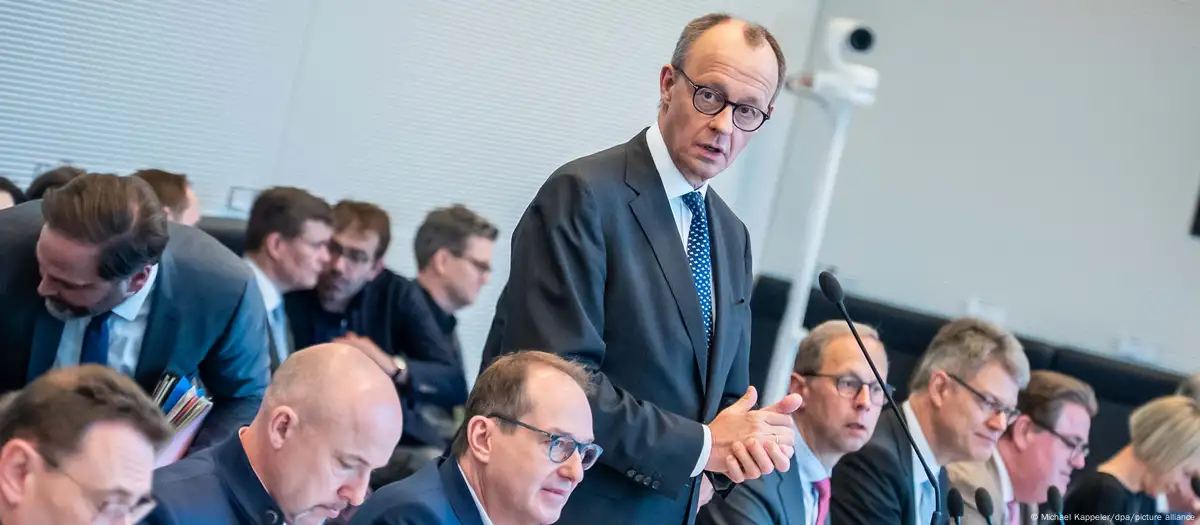
The deal’s timing is crucial. With Germany’s new parliament set to convene on March 25, the conservative bloc, led by Friedrich Merz, is rushing to secure approval for the deal before the new government forms. Without this deal, Merz’s bloc would lose the majority necessary to pass the legislation.
Why Is This Deal So Important?
1. A Major Investment in Germany’s Future
The €500 billion fund represents a bold step forward for Germany’s economy. Infrastructure projects are crucial for maintaining the country’s global competitiveness, and this new investment could help modernize everything from roads and bridges to internet access. A modernized infrastructure will also create jobs and stimulate economic growth in the long term.
Additionally, the €100 billion for climate transformation aligns with global sustainability goals. As countries around the world shift toward green energy, Germany is making a strong push to lead this charge. Investing in renewable energy sources and climate-friendly technologies will help future-proof Germany’s economy.
2. Military Spending and National Security
The deal also includes a boost to defense spending, something that has become increasingly important given global geopolitical tensions. By lifting the debt brake for defense, Germany can strengthen its military capabilities. This is particularly significant in the context of rising security concerns in Europe, such as the ongoing war in Ukraine.
3. Political Strategy: Timing Is Everything
The timing of this deal is crucial. Merz’s CDU/CSU bloc needs to secure approval for the deal before the new parliament convenes on March 25, after which their majority will be lost. This deal gives the conservatives an opportunity to implement significant reforms before the balance of power changes.
By securing the Greens’ support, Merz ensures that the deal has the two-thirds majority required for constitutional amendments. Without the Greens, this reform would not be possible, and Germany would lose the opportunity for this historic financial overhaul.
What Does the Deal Mean for Germans?
The deal has significant implications for every German citizen. While the agreement may lead to a short-term increase in state borrowing, the long-term benefits are clear. Here’s what ordinary Germans can expect:
1. Better Infrastructure
With a massive €500 billion fund allocated to infrastructure, Germans will see improvements in their daily lives. From better roads and public transportation to improved internet access, the plan promises to make Germany’s infrastructure more modern and efficient.
2. Job Creation and Economic Growth
The investment in infrastructure will likely result in the creation of thousands of jobs across various sectors. Moreover, a stronger infrastructure will stimulate economic growth and make Germany more attractive to global investors.
3. Climate and Energy Transition
Germany is known for being a leader in environmental sustainability, and this deal will strengthen that position. With €100 billion dedicated to climate and economic transformation, Germans can expect cleaner energy solutions and greener technology in the coming years. This could mean more affordable electric cars, renewable energy sources, and energy-efficient homes for everyday citizens.
4. Stronger National Security
While not immediately felt by every citizen, the boost in defense spending will ensure that Germany is better prepared for any future security threats. In the long run, this will help maintain peace and stability in the region.
Potential Risks of the Deal
While the agreement has many positives, there are potential risks associated with this massive borrowing plan:
- Increased National Debt: The decision to borrow more money could increase Germany’s overall national debt. If the investments don’t lead to the expected returns, the country could face higher debt payments in the future.
- Inflation Concerns: The additional borrowing could also have an impact on inflation, as more money in the system could lead to price increases. Germans may feel the impact through higher living costs in the long run.
- Political Divisions: Although the deal has been agreed upon by the CDU/CSU, SPD, and Greens, there is still the potential for political division in the future. The next government may not maintain the same level of cooperation, which could affect the implementation of the deal.
Final Thoughts: A Turning Point for Germany’s Future
This historic deal marks a turning point in Germany’s financial and political landscape. The agreement between the CDU/CSU, SPD, and Greens lays the groundwork for a massive investment in infrastructure, climate change, and national defense.
While the deal comes with risks, the potential rewards are significant. For ordinary Germans, this could mean better roads, cleaner energy, and a stronger economy in the future.
As the parliamentary vote approaches, the outcome of this deal will have a lasting impact on Germany’s economic future. With €500 billion in new investments and a clear vision for the future, the German government is taking a bold step toward modernizing the country’s infrastructure and securing its future in the global economy.