
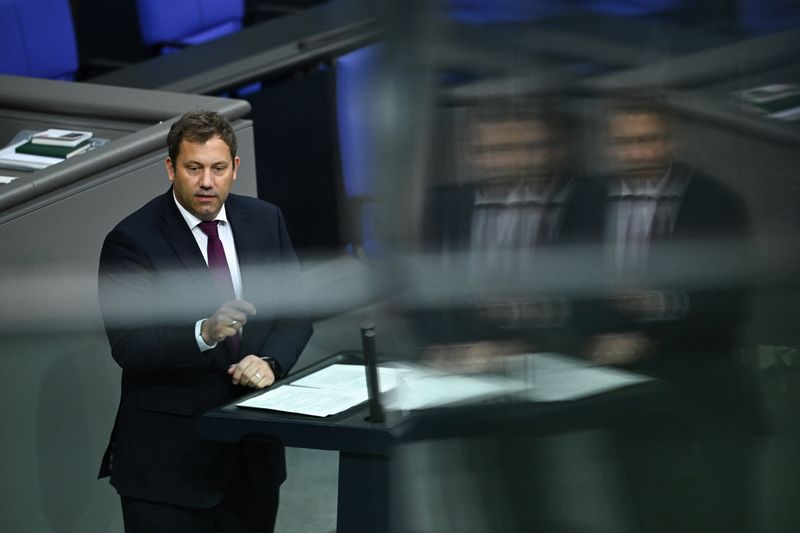

Germany is preparing for a wave of fiscal reforms as it confronts a looming budget gap, Finance Minister Lars Klingbeil announced in an interview with Handelsblatt on Friday. The minister pledged significant structural changes and spending cuts aimed at ensuring the country’s financial stability while maintaining long-term economic growth.
Addressing the Budget Gap
Germany, Europe’s largest economy, is facing mounting fiscal pressures due to rising energy costs, inflationary pressures, and ongoing geopolitical uncertainties. Klingbeil highlighted that without decisive action, the government could encounter significant budget shortfalls in the coming years.
“The fiscal landscape demands that we act now to safeguard Germany’s economic future,” Klingbeil said. “This requires both structural reforms and prudent management of public finances to ensure that our budget remains sustainable.”
Planned Structural Reforms
While Klingbeil did not disclose the full details of upcoming reforms, experts expect measures across multiple sectors, including public administration, social services, and energy policy. Structural reforms are likely to focus on improving efficiency, reducing bureaucratic redundancies, and reallocating resources toward high-priority initiatives.
Some anticipated areas of reform include:
- Public spending optimization: Streamlining government programs to reduce costs while maintaining essential services.
- Energy sector reforms: Adjusting subsidies and policies to address high energy prices and encourage sustainable energy solutions.
- Tax and revenue adjustments: Reviewing tax frameworks to improve efficiency and ensure sufficient revenue for critical programs.
- Administrative restructuring: Simplifying government operations to reduce overheads and improve service delivery.
Klingbeil emphasized that these reforms would not compromise Germany’s commitment to social programs or essential public services. Instead, they aim to create a more efficient, resilient, and forward-looking fiscal framework.
Budget Cuts and Savings Measures
In addition to structural reforms, Klingbeil confirmed that targeted budget cuts are on the agenda. While details remain sparse, these cuts are expected to prioritize non-essential spending while protecting vital areas such as healthcare, education, and infrastructure.
Economists suggest that carefully implemented savings measures can help Germany maintain fiscal discipline without undermining economic growth. By reducing unnecessary expenditures and improving efficiency, the government can bridge the budget gap and safeguard public finances against future shocks.
Political Context
Klingbeil’s announcement comes at a time when Germany faces multiple economic and geopolitical challenges. Inflation has remained above the European Central Bank’s target, energy costs continue to rise, and supply chain disruptions threaten industrial output. In this context, fiscal prudence and strategic reforms are crucial to maintaining Germany’s economic stability.
The finance minister’s statements also reflect a broader political commitment to responsible governance. By signaling a willingness to undertake difficult reforms and budget cuts, the government aims to reassure both domestic stakeholders and international markets that Germany remains a fiscally disciplined and stable economy.
International Implications
Germany’s fiscal strategy has implications beyond its borders. As the EU’s largest economy, Germany’s budgetary decisions influence European financial stability and investor confidence. Klingbeil’s focus on reforms and efficiency may also encourage other EU member states to adopt similar measures, promoting a culture of fiscal responsibility across the bloc.
Moreover, with Germany playing a key role in funding EU initiatives and responding to regional crises, maintaining a strong and sustainable budget is essential to support broader European goals, including energy security, climate action, and economic recovery.
Economic Outlook
While the proposed reforms and savings measures aim to address immediate fiscal pressures, analysts note that Germany’s long-term economic health will depend on continued investment in innovation, infrastructure, and human capital. Strategic reforms can enhance productivity, reduce waste, and create a more competitive economy capable of withstanding future global shocks.
Klingbeil’s commitment to balancing fiscal prudence with growth-oriented policies suggests that Germany is aiming for a sustainable path that preserves social stability while preparing for the challenges of a rapidly evolving global economy.
Public and Industry Response
Early reactions from industry and economic analysts have been cautiously positive. Many recognize the need for fiscal discipline and structural reforms, but stress that execution will be critical. Overly aggressive budget cuts could risk slowing economic recovery, while poorly designed reforms could create bureaucratic inefficiencies.
Stakeholders, including business leaders and financial institutions, are expected to follow the government’s announcements closely, evaluating how the planned reforms might impact investment, employment, and market stability.
Germany’s Finance Minister Lars Klingbeil has sent a clear message: fiscal reform and disciplined budget management are essential to address the nation’s looming budget gap. By combining structural reforms, targeted savings, and efficiency improvements, the government aims to secure Germany’s economic future while maintaining social commitments and fostering sustainable growth.
As details emerge, the success of these measures will depend on careful planning, transparent implementation, and collaboration with both industry and the public to navigate the challenges ahead. Germany’s approach may serve as a model for other nations grappling with similar fiscal pressures in an uncertain global economy.