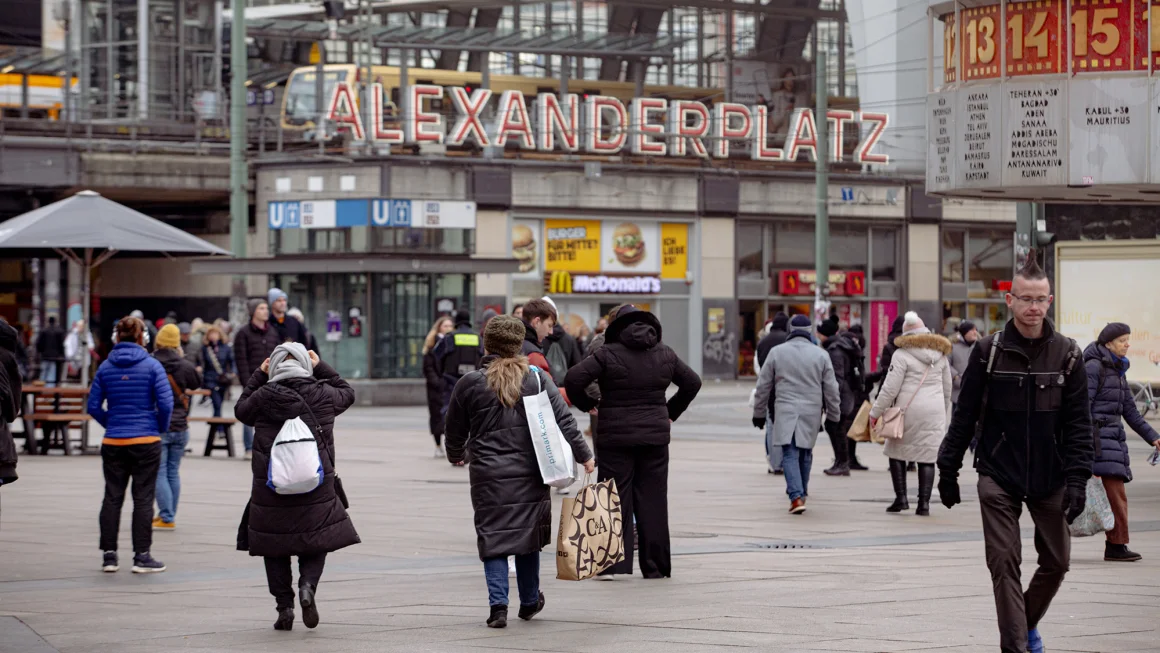
Germany’s Economy Shrinks for Second Consecutive Year: What It Means for Europe

Germany, Europe’s largest economy, has faced a second consecutive year of economic contraction, according to official data released on Wednesday. This alarming trend highlights the mounting challenges the country is grappling with, including weak productivity, high labor costs, and changing global trade dynamics. As Germany continues to struggle, its economic woes may have far-reaching implications for the broader European Union.
A Troubling Trend: Germany’s Economic Contraction
Germany’s Gross Domestic Product (GDP) shrank by 0.2% in 2024, following a 0.3% decline in 2023, according to the Federal Statistical Office. This marks the first time since the early 2000s that the German economy has contracted for two consecutive years.
Carsten Brzeski, the global head of macroeconomics at ING, pointed out that this downturn mirrors the early 2000s era when Germany was grappling with high unemployment rates and structural economic weaknesses. The ongoing decline is a stark indicator of just how much pressure Germany’s economy is under.
Why Is Germany Struggling?
Germany’s economic troubles are multifaceted, rooted in both domestic challenges and global shifts that have made it harder for the country to maintain its growth. Here are a few key factors contributing to the ongoing economic contraction:
- Weak Productivity Growth: Germany has been facing stagnant productivity growth for several years. Low productivity makes it harder for businesses to compete globally, impacting the country’s overall economic output.
- High Labor Costs: Germany’s labor costs have remained relatively high compared to other countries, making it less competitive in global manufacturing, especially in industries like automotive and heavy machinery.
- Global Competition: Germany’s once-dominant manufacturing sector now faces stiff competition from countries like China, which has been ramping up its domestic production capabilities. China’s growing ability to produce goods locally that were once imported from Europe has eroded demand for German exports.
- Volkswagen’s Struggles: The troubles of Volkswagen, Germany’s largest automaker, encapsulate the country’s wider economic woes. In December 2024, Volkswagen announced a massive restructuring, including the loss of over 35,000 jobs and the relocation of production to Mexico. This shift reflects Germany’s broader industrial challenges and the increasing pressure from global competitors.
- Reduced Demand for Exports: Germany, historically known for its strong export sector, now faces a decline in demand from China, its largest trading partner. As China boosts its local production, Germany’s exports to the country have been significantly reduced, further contributing to the economic downturn.
- Energy Prices and Inflation: The effects of the Russian invasion of Ukraine continue to disrupt Europe’s energy markets, with high energy prices putting a strain on Germany’s industrial output. This, in turn, has further weakened Germany’s manufacturing sector, which remains 9% below pre-pandemic levels, according to data from the European Union’s statistics office.
What Does This Mean for the European Economy?
Germany’s economic slump is not only a concern for the country itself but also has broader implications for the European economy. As the largest economy in the Eurozone, Germany plays a crucial role in driving growth for the rest of the continent. When Germany falters, it often signals weakness for the entire region.
- Impact on Industrial Production: Industrial production in the Eurozone has been sluggish, showing a slight increase in November 2024 compared to October, but still remains significantly below its level seven years ago. This stagnation is partly due to high energy prices, which were exacerbated by the ongoing war in Ukraine.
- Long-Term Economic Stagnation: Germany’s central bank has warned that economic stagnation could continue well into 2025, with the country’s GDP expected to make only a slow recovery. This weak growth will likely have a ripple effect across the Eurozone, impacting trade, investment, and job creation across the region.
- Pressure on the EU’s Economic Stability: A weak German economy could undermine the EU’s ability to maintain its overall economic stability, especially if other EU countries also face sluggish growth. This could complicate efforts to rebuild after the pandemic and manage the long-term effects of the war in Ukraine.
- Geopolitical Tensions with the U.S.: Another potential concern is the possibility of rising tariffs under the incoming U.S. administration, which could further hurt German exports and lead to a loss of competitiveness for European industries. The tension between the EU and the U.S. could make it even harder for Europe to recover.
Can Germany Recover?
The German government faces a tough task ahead. A snap election is set to take place in the coming weeks, following the collapse of the country’s governing coalition last year due to disagreements over how to tackle the country’s weak economy. Carsten Brzeski hopes that a new government will craft a long-term economic reform plan that focuses on investing in innovation, improving productivity, and enhancing competitiveness.
However, with high labor costs, a shrinking global demand for German exports, and increased competition from emerging markets, turning Germany’s economy around will not be an easy feat. There is no quick fix, and policymakers will need to focus on structural reforms and investment in key industries to ensure sustainable growth over the long term.
Conclusion: Germany’s Struggles Reflect Broader European Challenges
Germany’s economic contraction is not just a national issue; it is a symptom of broader challenges facing Europe. With its large manufacturing base and once-dominant industrial sector now under pressure, Germany must find ways to boost productivity, reduce labor costs, and remain competitive in a changing global economy.
If Germany’s economic decline continues, the Eurozone’s economic recovery will likely be delayed, creating challenges for the entire European Union. The upcoming elections and potential reforms could offer a chance for recovery, but the country will need to address its long-term economic structural issues to avoid further stagnation.
As the EU grapples with energy challenges, geopolitical tensions, and the ongoing effects of the pandemic, Germany’s economic health will be crucial in determining Europe’s overall economic trajectory in the years to come.