
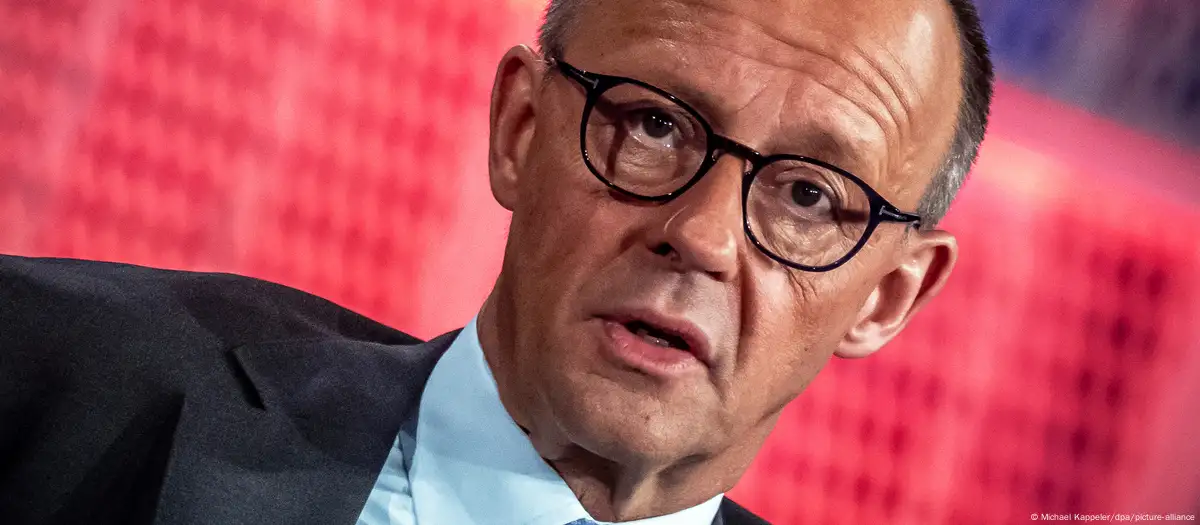
Germany’s Chancellor Merz Expresses Disappointment Over EU-US Trade Deal, Warns of Economic Impact

Chancellor Merz Voices Concerns Over EU-US Trade Talks Outcome
German Chancellor Friedrich Merz openly expressed dissatisfaction on Monday with the outcome of recent trade negotiations between the European Union and the United States. Despite his disappointment, Merz acknowledged that achieving a better deal was unlikely under current circumstances.
Merz warned that the agreed tariffs and unresolved trade issues would cause “significant damage” to the German economy, highlighting ongoing challenges for Europe’s largest economy amid complex international trade dynamics.
Background: The EU-US Trade Negotiations
Trade discussions between the EU and the US have been ongoing for years, aiming to resolve long-standing disputes and reduce tariffs that affect billions of dollars in goods crossing the Atlantic. Key areas of contention include tariffs on steel and aluminum, agricultural products, digital services, and technology exports.
The talks have taken place in the context of fluctuating political climates on both sides, with protectionist tendencies and geopolitical tensions influencing negotiation outcomes.
Merz’s Disappointment: What Was Expected vs. What Was Achieved
Merz’s remarks reflected a pragmatic but critical view of the trade talks. While acknowledging that “more simply wasn’t achievable,” he made it clear that the results fell short of what Germany and the broader EU had hoped for.
The Chancellor indicated that the agreed tariffs and trade barriers will continue to burden German exporters, particularly in sensitive sectors like automotive manufacturing and machinery, which are vital to Germany’s economic health.
The Economic Implications for Germany
Germany’s economy, heavily reliant on exports, especially to the US, is vulnerable to tariffs and trade restrictions. Merz highlighted that the current deal risks “significant economic damage,” potentially slowing growth, reducing industrial output, and impacting jobs.
Key German industries at risk include:
- Automotive: Facing higher tariffs on vehicle components and finished cars.
- Manufacturing: Machinery and equipment exports may be hampered.
- Agriculture: Exporters of dairy, pork, and other goods may see limited access or higher costs.
The German business community has voiced concern that unresolved trade barriers threaten competitiveness, innovation, and long-term economic stability.
Broader EU-US Trade Relations and Challenges
The deal’s shortcomings illustrate the broader challenges in EU-US economic relations. Both sides face political pressures to protect domestic industries while maintaining open markets. Issues such as data privacy, environmental standards, and subsidies further complicate negotiations.
Furthermore, geopolitical tensions, including differing approaches to China and Russia, have influenced trade talks, making comprehensive agreements harder to achieve.
What Merz’s Comments Mean for Future Negotiations
While critical, Merz’s statement also serves as a signal for continued engagement and negotiation. Recognizing the constraints of the current deal, Germany and the EU are likely to pursue further discussions aimed at easing trade barriers and fostering cooperation.
Merz’s comments may push EU policymakers to prioritize sectors most affected by tariffs and develop strategies to mitigate economic harm, including support for exporters and diversification of trade partnerships.
Germany’s Strategy Amid Global Trade Uncertainties
Germany’s response to the deal highlights the country’s broader strategy to navigate an increasingly complex global trade environment. Key elements include:
- Diversification: Expanding trade relations with Asia, Africa, and other regions to reduce reliance on US markets.
- Innovation: Investing in technology and sustainability to maintain competitiveness.
- Diplomacy: Strengthening EU unity and working multilaterally to address trade disputes.
The Chancellor’s candid assessment underscores the need for resilient economic policies and adaptive strategies amid unpredictable geopolitical shifts.
What This Means for Businesses and Consumers
For German businesses, the outcome means continued uncertainty and potential cost increases. Exporters may face pricing challenges, while importers could see adjustments in supply chains.
Consumers might experience indirect effects, such as higher prices for goods influenced by tariffs or supply disruptions. However, the German government is likely to take measures to cushion the impact where possible.
Public and Political Reaction in Germany
Merz’s frank remarks have sparked discussions among political leaders, economists, and industry representatives. Some criticize the government for not securing a better deal, while others acknowledge the complexity of global trade diplomacy.
The public conversation reflects growing awareness of how international trade directly impacts domestic economic health and employment.
A Cautious Path Forward
Chancellor Friedrich Merz’s statement on the EU-US trade talks captures the difficult balance Germany faces in global trade relations. While the current deal falls short of expectations, the Chancellor’s pragmatic tone suggests a commitment to ongoing efforts to protect and advance Germany’s economic interests.
As negotiations continue and economic conditions evolve, Germany’s leadership will need to navigate competing demands, foster innovation, and strengthen international partnerships to safeguard its economy in an uncertain world.

