
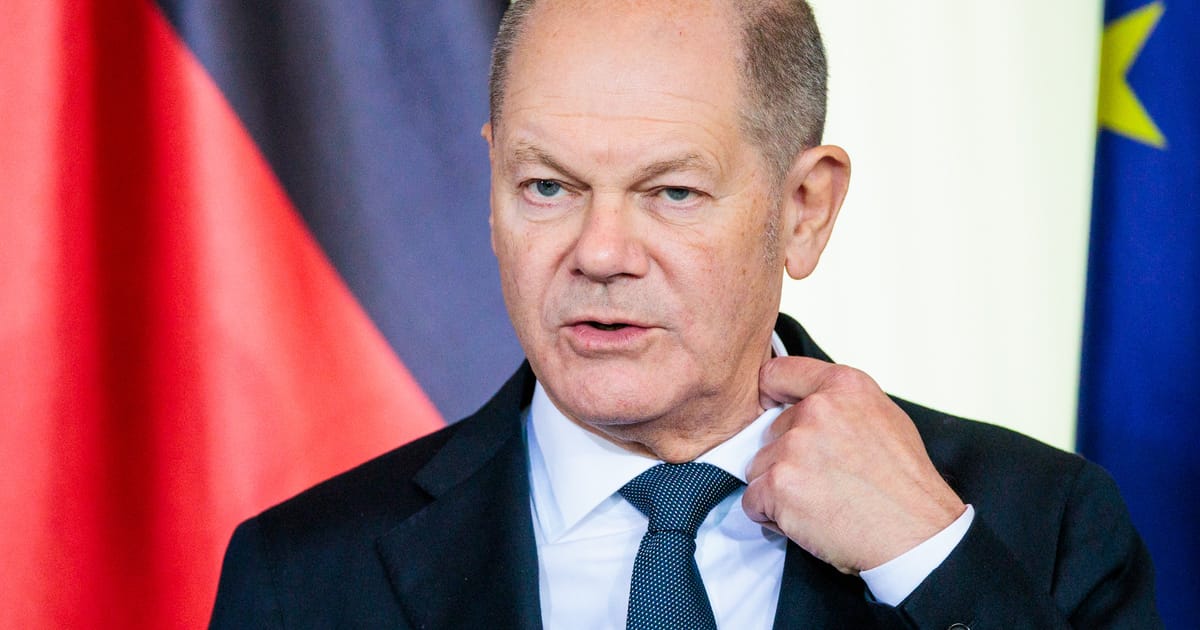
Germany Urges Urgent EU-US Talks Over Auto Tariffs! Will the Trade War Escalate?

Tensions Rising Over EU-US Tariffs on Autos
As tensions between the European Union and the United States grow, Germany’s Minister for Economic Affairs, along with major automotive industry players, is calling for urgent discussions to address the looming auto tariffs. These proposed tariffs could have significant consequences for the European automotive industry, which relies heavily on exports to the U.S. market.
Let’s explore why these tariffs are a concern, what is being done to address them, and what could happen if talks don’t take place soon.
What’s at Stake: The Threat of New Auto Tariffs
The U.S. has been considering imposing significant tariffs on European-made automobiles, with a proposed 25% tariff on imported cars and light trucks. These tariffs are part of a broader trade dispute that has caused uncertainty in global trade markets.
Germany, home to some of the largest automakers in Europe, is particularly worried about the impact these tariffs would have on the country’s automotive industry. The sector plays a crucial role in the German economy, and any disruption in trade could lead to major losses.
Why Are the Tariffs a Concern?
- Heavy Impact on Exports: Germany is one of the largest exporters of automobiles to the United States, and new tariffs could make European cars significantly more expensive for American consumers.
- Job Losses: The auto industry is a major employer in Germany, and higher tariffs could hurt the industry’s bottom line, leading to potential job losses.
- Global Trade Tensions: The proposed tariffs are part of a larger trade dispute between the EU and the U.S., and tensions in this area could lead to broader economic disruptions, affecting not just the auto industry, but other sectors as well.
German Minister’s Call for Urgent Talks
Germany’s Minister for Economic Affairs, Robert Habeck, has called for urgent discussions between the European Union and the United States to resolve the situation. Habeck emphasized the need for immediate talks to prevent further escalation of the trade conflict.
Habeck’s Concerns and Solutions
Habeck stressed that the U.S. tariffs could deal a severe blow to Germany’s automotive industry, which is one of the country’s largest and most important sectors. He argued that the tariffs would not only hurt automakers but also increase costs for American consumers, who would face higher prices on European-made cars.
The German government is actively working with other European Union countries to find a solution that could prevent the tariffs from being implemented. Habeck’s call for urgent talks reflects the country’s growing concern about the impact of the U.S. tariffs.
Automotive Lobby Joins the Push for Talks
Alongside government officials, the automotive lobby in Germany has also pushed for quick action to address the proposed tariffs. Major industry players, such as Volkswagen, BMW, and Mercedes-Benz, have all expressed concern about the potential impact of the tariffs on their operations.
What the Auto Industry is Saying
- Potential Price Hikes: Car manufacturers fear that the tariffs would increase the cost of European cars in the U.S., leading to reduced sales and lower profits.
- Increased Production Costs: Manufacturers may need to change their production strategies, potentially moving more production to the U.S. or adjusting their supply chains, which could be expensive and time-consuming.
- Jobs and Investments at Risk: The auto lobby argues that tariffs could threaten thousands of jobs in the European car industry and reduce future investments in the sector.
The Bigger Picture: EU and U.S. Trade Relations
The proposed tariffs on automobiles are just one chapter in a larger trade story between the European Union and the United States. Over the past few years, the U.S. has imposed tariffs on various goods from the EU, including steel and aluminum, while the EU has retaliated with its own set of tariffs.
The EU’s Position on the Tariffs
The European Union has expressed its opposition to the proposed auto tariffs, arguing that they are unfair and unjustified. European leaders believe that the tariffs could damage the transatlantic relationship and hurt both sides of the Atlantic. They argue that rather than imposing new tariffs, the U.S. and the EU should work together to address shared challenges in the global trade system.
Why the U.S. Wants the Tariffs
On the other side, the U.S. government argues that these tariffs are necessary to protect American industries from unfair competition. The U.S. administration believes that foreign-made cars, especially those from Europe, are negatively affecting the American auto industry. President Joe Biden’s administration has indicated that the tariffs could remain in place unless a deal can be reached with the EU.
Possible Outcomes: Will Talks Prevent the Tariffs?
If talks between the EU and the U.S. go ahead, there could be a range of possible outcomes:
Best-Case Scenario: A Trade Deal
The best outcome for both sides would be a trade agreement that avoids the tariffs and resolves the dispute. This would be beneficial for European automakers, U.S. consumers, and the broader global economy. Negotiations could focus on areas such as reducing trade barriers, improving market access, and addressing concerns about the auto industry.
Worst-Case Scenario: Tariffs and Retaliation
If talks fail to produce an agreement, the U.S. could go ahead with implementing the 25% tariffs. This would likely trigger retaliatory measures from the EU, further escalating the trade conflict. Higher car prices in the U.S. could hurt both manufacturers and consumers, while European automakers could be forced to find new strategies to compete.
A Crucial Moment for EU-US Relations
As the world watches closely, Germany is urging the European Union and the United States to engage in urgent talks to resolve the auto tariff dispute. The outcome of these negotiations will have far-reaching consequences for the automotive industry, global trade, and the relationship between Europe and the U.S.
With both sides showing willingness to engage in dialogue, there’s hope that a resolution can be reached before the tariffs are imposed. However, time is running out, and the pressure is on to find a solution that benefits both Europe and the United States.

