
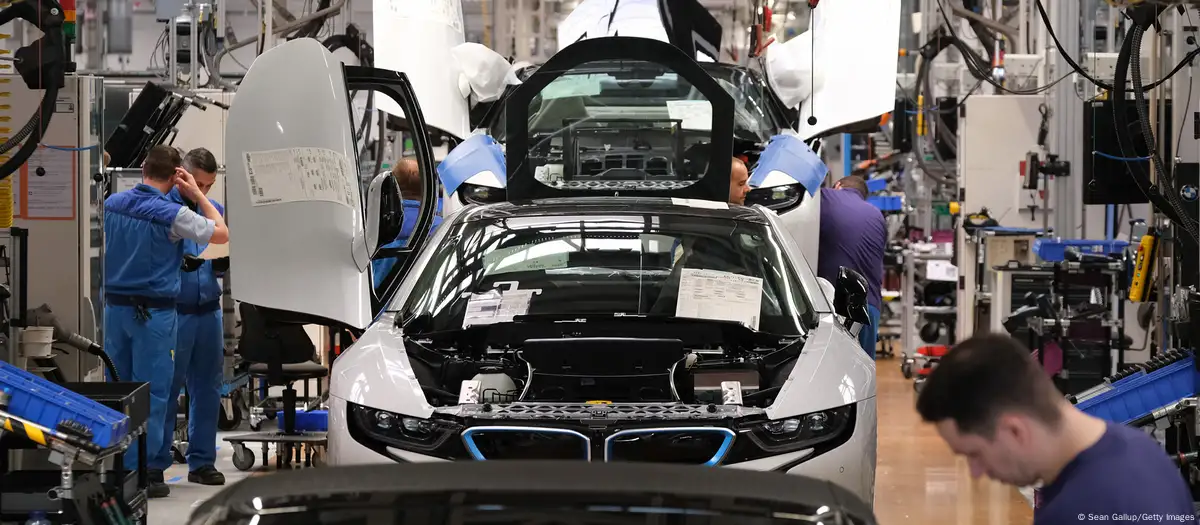

Germany, EU Leaders Push Back Against U.S. President’s 25% Tariffs on Imported Cars
Germany has strongly condemned U.S. President Donald Trump’s announcement of a 25% tariff on all cars and car parts imported to the United States. The decision, which will take effect on April 2, 2025, has sparked outrage among Germany’s leaders and other top European car producers who fear significant economic consequences.
What’s at Stake with Trump’s New Car Tariffs?
On Wednesday, President Trump revealed a sweeping decision to impose a 25% tariff on all cars imported to the U.S., a move that affects not only Germany but several other countries known for their car manufacturing, such as Japan, South Korea, and Mexico. The tariff is expected to have a profound impact on international trade, especially for countries that export a large number of vehicles and parts to the U.S.
Trump’s new tariff plan is seen as an attempt to protect U.S. auto manufacturers from foreign competition. However, critics argue that the decision could harm consumers, raise prices, and disrupt the global car industry.
Germany’s Strong Reaction to the Tariffs
Germany, one of the largest exporters of cars to the U.S., did not hold back in responding to the announcement. Outgoing German Chancellor Olaf Scholz criticized Trump’s decision, saying, “The U.S. has chosen a path at whose end lie only losers, since tariffs and isolation hurt prosperity for everyone.”
Scholz stressed that the new tariffs would ultimately hurt the U.S. economy as much as, if not more than, the countries facing the tariffs. He added that such protectionist measures only lead to economic isolation and undermine global prosperity.
Germany’s vice chancellor and economy minister, Robert Habeck, was equally vocal in his condemnation. He called for a united European response, stating that Europe “must not back down” and should show “strength and self-confidence” in the face of such aggressive trade measures.
Europe’s Unified Front: What’s Next?
European leaders, including Scholz and Habeck, are now pushing for a united stance against the tariffs. Germany, along with France and other key EU players, is expected to seek a strong retaliatory response. In addition to opposing the tariffs through diplomatic channels, Europe may look into imposing its own tariffs on U.S. goods in retaliation.
While some European politicians have suggested that the EU should focus on diplomacy to resolve the trade tensions, others, like Habeck, believe that only a robust and confident response will ensure the EU stands up to U.S. pressure. “It must be clear that we will not give in to the U.S.,” Habeck asserted.
The Bigger Picture: Global Trade Tensions
The car tariff decision is part of a broader pattern of protectionist policies under President Trump, who has repeatedly advocated for “America First” economic policies. This stance has led to increased trade tensions between the U.S. and various other countries, particularly in industries like steel, aluminum, and now automobiles.
Experts worry that such trade policies could set off a “trade war,” where countries retaliate with tariffs of their own. A major concern is that this could lead to higher costs for consumers, a slowdown in global trade, and potential job losses in industries tied to international supply chains.
Could the EU Retaliate with Tariffs of Their Own?
If the EU decides to retaliate, one likely outcome could be tariffs on U.S. goods entering European markets, such as agricultural products, industrial goods, and even certain tech items. This would escalate tensions further, and experts warn that both sides could suffer as a result.
The EU’s response could be targeted, focused on industries where the U.S. has strong exports to Europe. For example, EU leaders could impose tariffs on American products like bourbon, motorcycles, and agricultural products like soybeans. However, retaliatory tariffs could also negatively impact European businesses that rely on U.S. imports, leading to a balancing act between protecting European industry and maintaining good trade relations.
The Impact on Car Manufacturers and Consumers
For German car manufacturers like Volkswagen, BMW, and Mercedes-Benz, Trump’s tariffs would likely mean higher production costs and lower profits, potentially resulting in higher car prices for U.S. consumers. The tariff could lead to a ripple effect, causing other car brands to raise their prices in order to compete with U.S.-made cars.
Furthermore, companies that export car parts to the U.S. could see their businesses impacted as well. Many parts manufacturers across Europe supply critical components to U.S. automakers, and these tariffs could disrupt long-standing relationships in the supply chain.
For everyday consumers, the tariff could result in higher prices on imported vehicles, which could make cars less affordable. American consumers might also see fewer choices in the market as foreign companies may scale back their U.S. operations.
The Path Ahead: Diplomatic Efforts and Economic Pressure
As the tariffs are set to kick in on April 2, the EU and the U.S. will likely engage in more intense negotiations. Both sides have a stake in avoiding a full-scale trade war, as it could have devastating consequences for global economic stability. However, whether diplomacy can prevent further escalation remains to be seen.
In Summary: What Does This Mean for Global Trade?
The 25% car tariff imposed by Trump represents a critical moment in U.S.-Europe trade relations. For Germany and other European countries, it’s a call to action to defend their industries while maintaining a unified front within the EU. As tensions rise, global trade could face significant disruption, and the outcome of these trade disputes could shape the economic landscape for years to come.
A Turning Point for Trade Relations
This unfolding trade drama shows how quickly international relations can change. What started as a protectionist measure by the U.S. could escalate into a global economic issue. Whether the EU can successfully push back against Trump’s tariffs will depend on the strength of their unity and the diplomatic strategies they adopt moving forward. One thing is clear: the fight over car tariffs is far from over, and its outcome could have wide-reaching consequences.

