Germany Steps Up: New Military Aid to Ukraine, Including Missiles and Drones Support

Germany Boosts Military Support to Ukraine with New Aid Package
Germany has committed to additional military support for Ukraine, including new guided missiles for air defense systems. This move comes as part of a growing international effort to assist Ukraine in its ongoing fight against Russian aggression. The announcement was made during a key meeting of the Ukraine Defense Contact Group at the Ramstein Air Base in Germany, which brought together defense leaders from around the world.
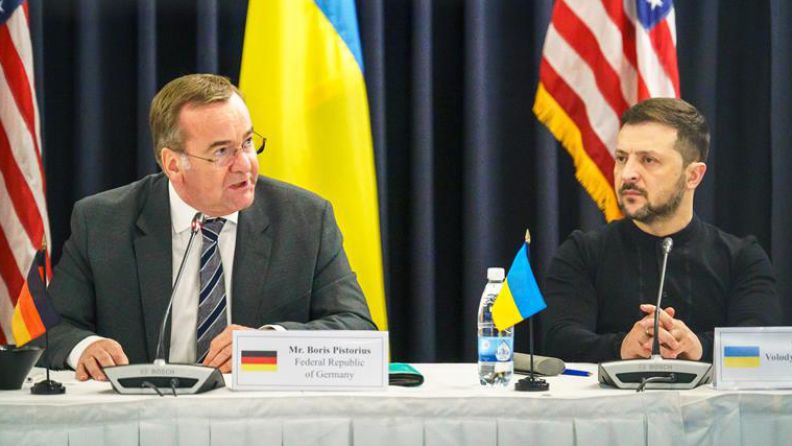
This meeting marked a significant moment in the ongoing support for Ukraine, with key figures like US Secretary of Defense Lloyd Austin and German Defense Minister Boris Pistorius attending. As tensions continue to rise in Eastern Europe, these actions demonstrate that global support for Ukraine is not waning, even as the war drags on.
US Military Aid to Ukraine: A $500 Million Boost
1. US Announces Additional $500 Million in Aid
During the meeting at Ramstein Air Base, US Secretary of Defense Lloyd Austin revealed that the US would be sending $500 million worth of military assistance to Ukraine. This includes important munitions and other military resources aimed at bolstering Ukraine’s defense capabilities against Russia. The aid package is part of a broader effort by the US to ensure Ukraine has the necessary resources to defend itself in the face of the Russian invasion.
Austin, who has led the Ukraine Defense Contact Group since 2022, also made a farewell speech, thanking global allies for their support and leadership in assisting Ukraine. His announcement comes just as President Joe Biden nears the end of his term, marking an important moment in the continued US-Ukraine relationship.
2. Germany’s Contribution: Missiles for Air Defense
Germany, under the leadership of Minister Boris Pistorius, has also stepped up its support, committing to additional military aid for Ukraine. One of the key elements of Germany’s support is the Iris-T air defense system. Pistorius announced that guided missiles originally intended for Germany’s own Bundeswehr army would be rerouted directly to Ukraine to strengthen their air defense capabilities. These missiles will be produced and shipped straight from the manufacturing facility to Ukraine.
This move is especially significant because it highlights Germany’s ongoing commitment to supporting Ukraine, regardless of domestic politics. Pistorius emphasized that this support would continue even after Germany’s upcoming elections in February 2025, reassuring Ukraine that it can count on Germany’s support for the long haul.
Zelensky’s Call for Battle Drones
1. Ukrainian President’s Appeal for More Drone Support
Ukrainian President Volodymyr Zelensky was also present at the Ramstein meeting, underscoring the importance of continued international support for Ukraine. One of Zelensky’s key messages was the urgent need for support in producing battle drones within Ukraine. Drones have become an essential part of modern warfare, offering both surveillance capabilities and precision strike options. Zelensky’s appeal calls for greater investment in drone technology, allowing Ukraine to bolster its defense capabilities with locally-produced equipment.
By calling for drone production support, Zelensky is pushing for a more self-sufficient Ukraine when it comes to defense technologies. This would allow the country to not only rely on international aid but also increase its own military production capabilities, making it more resilient in the long term.
The Ramstein Air Base Summit: A Key Moment in Global Defense Cooperation
1. Strengthening the Ukraine Defense Contact Group
The meeting at Ramstein Air Base was attended by around 50 countries, highlighting the global coalition working to support Ukraine. These meetings have become a regular and vital part of the defense strategy against Russian aggression. The Ukraine Defense Contact Group has played a crucial role in coordinating support for Ukraine, including the delivery of weapons, military training, and humanitarian aid.
This forum also serves as a reminder of the global unity in opposing Russia’s actions, with both European and non-European countries working together to provide Ukraine with the resources it needs. With the war now in its second year, this cooperation has been vital in ensuring Ukraine’s ability to fight back.
2. A Show of Resilience: Ukraine’s Steady Support
The Ramstein meeting also underscores Ukraine’s resilience in the face of ongoing challenges. Despite the devastating impacts of the war, Ukraine continues to receive strong international backing. The continued flow of military aid, along with diplomatic support, is a testament to the unity of the international community in upholding Ukraine’s sovereignty.
With Germany now increasing its contribution, and the US providing substantial resources, the message is clear: Ukraine’s fight against Russian aggression will not go unanswered. The world remains committed to helping Ukraine defend itself, and these recent developments show that this commitment is stronger than ever.
What’s Next for Ukraine’s Military Support?
1. Continued International Support
The actions taken by the Ukraine Defense Contact Group at the Ramstein Air Base demonstrate that Ukraine’s allies are ready to continue their support in various forms. From military aid to strategic guidance, the country’s defense efforts are being bolstered at multiple levels. The aid packages announced at this meeting are expected to play a critical role in helping Ukraine withstand Russia’s ongoing military pressure.
The international community’s unwavering support is essential, especially as the war looks set to continue for the foreseeable future. As part of this ongoing assistance, Ukraine will likely receive further military technologies and weaponry to enhance its fighting capacity.
2. The Role of Drones and Technology
As the war progresses, technology and innovation are becoming key components of Ukraine’s defense strategy. Drones, which can be used for both offensive and defensive measures, are likely to be at the forefront of future aid packages. By focusing on producing drones locally, Ukraine is hoping to not only bolster its defense but also reduce dependence on foreign aid.
This shift toward technology-focused military aid is a sign of the changing nature of warfare, where autonomous systems and AI-driven capabilities are becoming more central to military strategies worldwide.
Conclusion: Germany and Allies Show Strengthening Commitment to Ukraine
The recent military aid announcements at the Ramstein meeting underscore the continued global commitment to supporting Ukraine in its fight against Russia. With Germany pledging more air defense missiles and President Zelensky pushing for drone support, Ukraine is receiving much-needed resources to defend its sovereignty.
As the international community stays united in its support for Ukraine, the country’s ability to withstand Russian aggression becomes increasingly viable. With air defense systems, drones, and other military technologies on the horizon, Ukraine’s defense capabilities are expected to grow stronger in the coming months.