
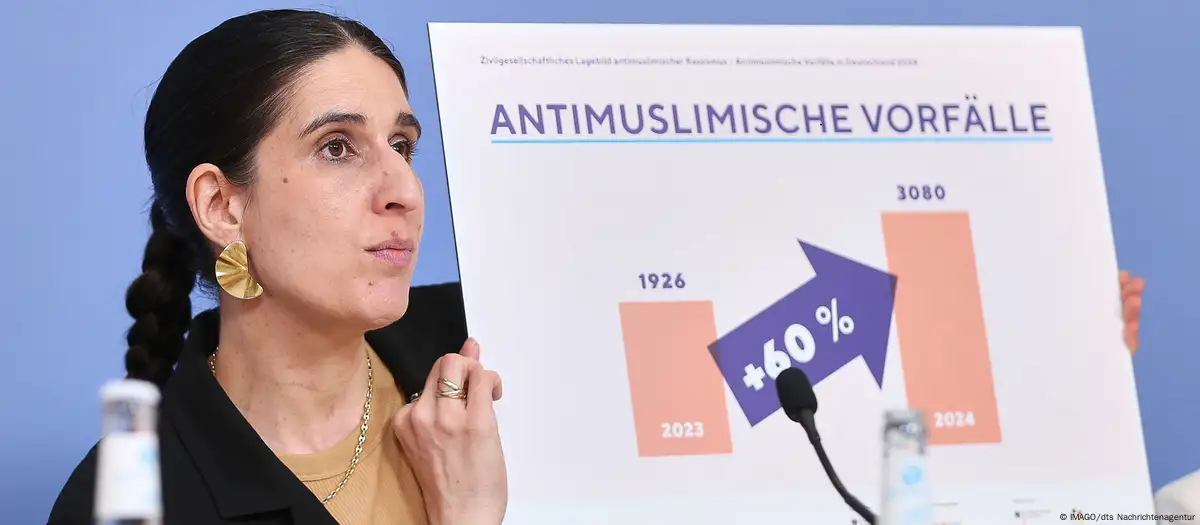

Germany has reported a significant surge in Islamophobic incidents, with over 3,000 cases recorded in 2024 alone. The spike in anti-Muslim hate crimes includes verbal abuse, physical assaults, and attacks on places of worship—sparking renewed concern about rising intolerance and far-right extremism across the country.
Alarming Statistics Reflect Deepening Social Tensions
According to recent data, the year 2024 saw a dramatic increase in anti-Muslim hostility. The reported 3,000+ incidents include:
- Verbal harassment in public places and on public transport
- Muslim women being spat on, especially those wearing hijabs
- Vandalism and graffiti on mosques and Islamic centers
- Online hate speech targeting Muslim individuals and communities
Rights organizations warn that the actual number may be even higher due to underreporting, fear of retaliation, or lack of trust in authorities.
Who Is Being Targeted?
Women, especially those visibly practicing their faith through traditional attire like the hijab, are disproportionately affected. Many incidents involve Muslim women being verbally abused or physically attacked in public, often in front of children or other witnesses.
Mosques and Islamic cultural centers across several German cities have also been repeatedly targeted with hate-filled messages, vandalism, or attempted arson.
Government and Civil Society React
The German government has condemned the rise in Islamophobic hate crimes and pledged to improve monitoring and enforcement. Lawmakers from multiple parties have called for:
- Increased security for mosques and Islamic schools
- Harsher penalties for hate crimes
- Expanded education and anti-racism initiatives
Several civil society groups and Muslim organizations are also demanding stronger protections and better community outreach from local authorities and law enforcement.
Broader Political and Social Climate
Experts point to the growing influence of far-right rhetoric and misinformation as key drivers behind the spike in anti-Muslim sentiment. The increasing visibility of right-wing extremist parties and online echo chambers has contributed to normalizing hate speech and inciting violence.
The German Interior Ministry has acknowledged the troubling trend and linked it to a broader wave of xenophobia also affecting Jews, refugees, and LGBTQ+ individuals.
Ceremony in Berlin Honors East German Uprising
In related national news, Berlin hosted a solemn ceremony to commemorate the 1953 East German uprising. The ceremony served as a reminder of Germany’s complex past and its ongoing commitment to democratic values, freedom, and civil rights—a poignant contrast to the current challenges of rising hate crimes.
The Road Ahead
As Germany prepares for upcoming local and national elections, the spotlight is likely to intensify on how political leaders address Islamophobia, racism, and hate speech. Activists and community leaders stress that real change will require not just condemnation but concrete action—from policy reforms to long-term educational efforts.
The sharp rise in Islamophobic incidents in Germany during 2024 paints a concerning picture of growing intolerance and social division. As calls for accountability and action grow louder, the response from both the public and political leadership will shape the country’s ability to uphold the inclusive values it strives to protect.