
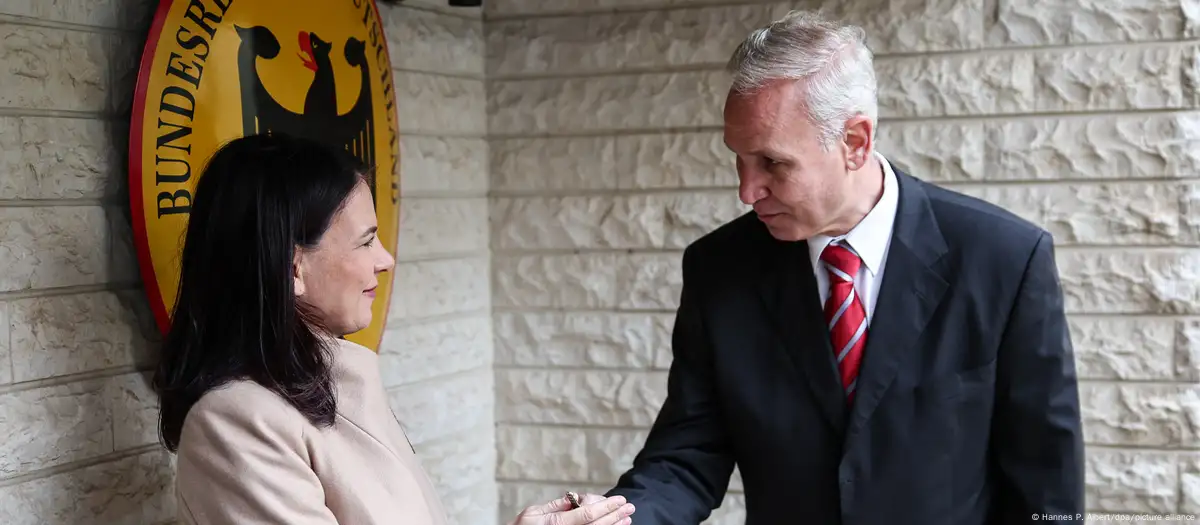

A New Chapter: Germany Reopens Its Embassy in Damascus
In a significant diplomatic move, Germany has reopened its embassy in Syria after a 13-year closure. This decision comes after years of turmoil and civil war that saw many countries, including Germany, severing their diplomatic ties with Syria. The reopening marks a new chapter in Syria’s relationship with the international community, especially after the fall of former President Bashar al-Assad.
The Historic Reopening: Why Now?
The German embassy in Damascus had been closed since 2012, following the outbreak of the Syrian Civil War. During the early stages of the conflict, many Western nations, including Germany, chose to shut down their embassies and cut diplomatic ties with the Syrian government. Over the years, Germany has taken a cautious approach to re-engaging with Syria, but recent developments have led to a change in policy.
The decision to reopen the embassy comes more than three months after the collapse of Bashar al-Assad’s regime and the gradual shift in Syria’s political landscape. Foreign Minister Annalena Baerbock, who visited Syria for the second time since the regime’s downfall, officially reopened the embassy during her visit to Damascus. This gesture reflects Germany’s cautious but evolving stance toward the new political realities in Syria.
What Does This Mean for German Diplomacy in Syria?
The reopening of the embassy signals a significant shift in Germany’s approach to Syria and its ongoing crisis. While it does not necessarily mean the restoration of full diplomatic relations, it does indicate a willingness to engage with Syria under the right conditions. For now, the embassy will focus on limited diplomatic functions, and a small number of German diplomats will operate out of Damascus.
However, the embassy’s role will remain quite limited. Unlike before, consular work such as issuing visas and other services will not be handled directly in Syria. Instead, these functions will continue to take place in neighboring Lebanon, in the city of Beirut. This ensures that Germany can maintain some diplomatic presence in Syria while avoiding the full re-engagement that may be controversial or impractical given the country’s ongoing challenges.
Why Did Germany Close the Embassy in the First Place?
To understand the significance of this reopening, it’s important to look back at why the embassy was initially shut down in the first place. The closure came in 2012 when the Syrian Civil War reached a boiling point. The conflict, which began as peaceful protests against President Assad’s government, quickly escalated into a bloody civil war involving multiple foreign powers, armed groups, and sectarian violence.
Germany, along with many Western nations, condemned Assad’s brutal response to the protests and his violent crackdown on civilians. As a result, many countries chose to sever diplomatic ties with Syria as a symbolic protest and to distance themselves from the Assad regime. For years, Germany took the position that Syria’s government could not be engaged with until there was a clear resolution to the conflict and a political transition away from Assad’s rule.
The Reopening: A Step Toward Normalization?
The reopening of the embassy doesn’t mean that Germany fully supports the Syrian government or Assad. Instead, it represents a shift in how Germany views its role in the region. Germany has long been a strong advocate for a political solution to the Syrian conflict, and this move could signal a change in its strategy toward bringing about a peaceful resolution through diplomatic channels.
Baerbock, during her visit, emphasized that the decision to reopen the embassy was based on the need to engage with Syria on key issues, such as humanitarian aid and the return of refugees. The embassy’s operations will remain focused on providing support for Germans and engaging with international organizations that provide aid to those in need.
In fact, the reopening of the embassy could be seen as part of a broader trend of some countries re-engaging with Syria. While many Western nations still impose sanctions on Syria and its leadership, some Middle Eastern countries, as well as Russia, have begun to normalize relations with the Syrian government. This shift has led some Western powers, including Germany, to reconsider their approach.
What’s Next for German-Syrian Relations?
While the reopening of the embassy is a significant step, it’s important to understand that this doesn’t immediately signal a complete turnaround in Germany’s policy toward Syria. The embassy’s diplomatic work will be limited, and it will take time for Germany to fully decide how to engage with Syria in the future.
Germany’s decision to continue consular services in Lebanon rather than in Syria reflects the ongoing caution in dealing with a country still recovering from years of war and instability. The next steps will likely depend on Syria’s internal political situation, its efforts to address human rights issues, and the outcomes of international negotiations regarding Syria’s future.
It’s also worth noting that Germany remains concerned about the humanitarian crisis in Syria, including the millions of displaced people and refugees, many of whom have fled to neighboring countries like Lebanon and Turkey. Germany’s role in aiding refugees and promoting stability in the region will likely remain a central focus of its diplomatic efforts in Syria.
Baerbock’s Visit: Symbolic and Practical
Foreign Minister Annalena Baerbock’s visit to Syria holds both symbolic and practical significance. While the reopening of the embassy is an important gesture, it also demonstrates Germany’s willingness to cautiously re-engage with Syria, even though many challenges remain.
Baerbock’s visit marks her second trip to Syria after the collapse of the Assad regime. During her time in Damascus, Baerbock underscored Germany’s interest in contributing to the reconstruction of Syria, as well as working on resolving the ongoing refugee crisis. However, Germany has been clear that it will not return to a fully normalized relationship with the Syrian government until Syria makes significant progress on human rights and political reform.
What Does This Mean for the Future of Syria?
The reopening of Germany’s embassy is a positive development for Syria, but it also underscores the long road ahead for the country to fully integrate into the international community again. While countries like Russia and Iran have been Syria’s key allies in the post-Assad era, the West has been slow to re-engage with the country.
The role of Germany, along with other European countries, will likely be important in shaping the future of Syria. Germany’s efforts to promote peace, address humanitarian issues, and support the reconstruction of Syria could be key in shaping the country’s post-war recovery.
The reopening of the embassy is just one small step in a long process, but it represents a signal that even amidst the challenges, the path to rebuilding Syria remains open.