

Berlin Pulls Support for Sea Rescue Groups Amid Political Shift
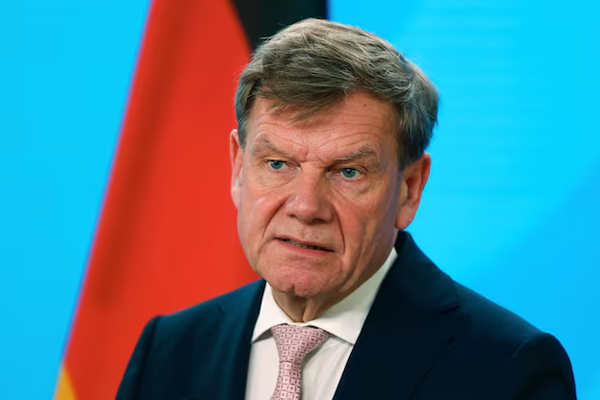
Germany’s government has officially ended funding for non-governmental organizations (NGOs) conducting migrant rescues in the Mediterranean. The move, announced by Foreign Minister Johann Wadephul, reflects a growing shift in German migration policy under the conservative-led coalition.
Speaking at a press conference during a trip to Canada, Wadephul said that the decision was “the right one” and that sea rescues should not be a financial responsibility of the Foreign Office. The announcement marks a significant departure from the previous administration’s approach, which actively funded rescue missions as part of its humanitarian efforts.
Background: Why NGOs Were Funded in the First Place
In recent years, NGOs such as Sea-Eye and SOS Humanity have received millions in funding from the German government. These groups conduct search-and-rescue missions in the central Mediterranean—one of the world’s deadliest migration routes.
The funding had been part of a broader humanitarian strategy supported by the previous coalition government, particularly under former Foreign Minister Annalena Baerbock of the Green Party. Their approach prioritized direct support for life-saving operations amid growing concerns about migrant deaths at sea.
What Changed Under the New Government
The new government, led by Chancellor Friedrich Merz and supported by a CDU/SPD coalition, has taken a firmer stance on immigration and asylum issues. Foreign Minister Wadephul emphasized that while Germany still cares deeply about humanitarian values, funding sea rescues is not aligned with the new foreign policy priorities.
Instead, the government says it will focus on addressing root causes of migration by providing aid and development support in countries of origin, particularly in conflict zones like Sudan.
In this year’s draft federal budget, no funds have been allocated for sea rescue NGOs—a clear signal of this new direction.
Political and Humanitarian Reactions
Opposition Parties Speak Out
The Green Party, which previously championed the funding, quickly criticized the decision. Green Party lawmakers argued that withdrawing financial support will worsen the humanitarian crisis in the Mediterranean and lead to more preventable deaths.
One Green MP compared the move to defunding a fire department during wildfire season, saying, “You don’t shut down the fire brigade because you don’t like fires. You stop the fires.”
NGOs Express Alarm
Organizations involved in rescue missions also responded with dismay. Sea-Eye’s chairman called the decision a “catastrophic signal,” warning that without government support, they may be forced to suspend life-saving missions, even during peak migration seasons.
These groups stress that while they often receive donations from private supporters, state funding has been essential to maintaining consistent operations, especially during emergencies.
Why This Matters: The Risk in the Mediterranean
The central Mediterranean is considered the most dangerous migration route in the world. According to international estimates, more than 32,000 people have died or gone missing while trying to cross it since 2014. In just the first half of 2025, over 2,400 deaths have already been reported—with hundreds more missing.
NGOs argue that reducing rescue missions in these waters could make the route even more deadly, as fewer ships will be available to intervene in crises.
Is This the Start of a Bigger Policy Shift?
Germany’s move doesn’t happen in a vacuum. It comes amid a wider European debate on how to handle migration, asylum, and border security.
Recently, Germany joined a coalition of EU countries calling for stricter controls and increased cooperation to prevent irregular migration. This group of nations is pushing for more emphasis on border protection, returns, and agreements with third countries to keep migrants from reaching European shores.
By cutting rescue funding, Germany is aligning itself more closely with these hardline policies—focusing less on rescue and more on prevention.
What Happens Next
This funding cut raises several critical questions:
- Will other EU countries step in to support the NGOs now that Germany has stepped back?
- Can rescue organizations continue to operate at current levels without public funding?
- Will the shift to prevention-focused aid—like development programs in Africa—have the desired impact on reducing migration?
For now, what’s clear is that the decision will reshape the role Germany plays in the Mediterranean migration crisis. Whether it leads to fewer deaths or more remains to be seen.
A Controversial Turning Point
Germany’s decision to stop funding Mediterranean migrant rescues is more than just a budget line—it’s a symbolic and practical turning point in its migration and foreign policy. While the government insists it remains committed to humanitarian values, critics argue this change will come at a deadly cost.
As Europe continues to grapple with migration pressures, Germany’s actions will likely influence both policy and political debates across the continent.

