
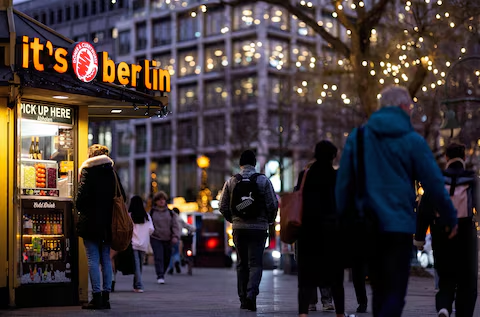

German retail sales dropped sharply in January, missing analysts’ expectations and raising concerns about the country’s economic momentum at the start of 2026. Data released on Monday showed a 0.9% decline compared to December, indicating a slowdown in consumer spending that could weigh on broader economic growth.
Details of the Decline
The decline in retail sales was broader than economists had forecast, reflecting weaker demand across several categories. Non-essential goods, including clothing, electronics, and luxury items, showed particularly soft performance, while essential spending such as groceries remained relatively stable.
Analysts attribute the slowdown to a combination of factors, including rising energy prices, inflationary pressures, and cautious consumer sentiment following months of economic uncertainty. Household budgets appear to be tightening, with consumers prioritising essential purchases over discretionary spending.
Economic Implications
Retail sales are a key indicator of domestic demand and overall economic health. Germany, as Europe’s largest economy, relies heavily on consumer spending to drive growth alongside industrial output and exports. A continued slump in retail activity could dampen GDP growth forecasts and raise concerns about the trajectory of the country’s recovery from past economic shocks.
Economists warn that if the trend persists, it may signal slower momentum in private consumption, which could prompt policymakers to consider measures to stimulate household spending. These could include tax incentives, energy subsidies, or targeted support for lower- and middle-income households.
Consumer Sentiment
Consumer confidence in Germany has shown signs of strain in recent months, with surveys indicating concerns about inflation, energy costs, and job security. The January retail sales figures appear to reflect this cautious mood, as households limit discretionary spending and defer major purchases.
Retail analysts suggest that businesses may need to adjust pricing strategies, promotions, and inventory management to adapt to the slower sales environment. The impact could extend to retailers across sectors, including both large chains and smaller independent stores.
Looking Ahead
Economists will closely monitor upcoming retail data and other indicators, such as manufacturing output and export figures, to gauge whether the slowdown is temporary or indicative of a broader weakening in economic activity. Seasonal factors, including the post-holiday period, may partially explain the January decline, but the magnitude of the drop has heightened scrutiny of domestic consumption trends.
Key Takeaways
- German retail sales fell 0.9% in January, exceeding analysts’ expectations for a smaller decline.
- Non-essential goods saw weaker demand, while spending on essentials remained stable.
- Slower retail activity may signal cautious consumer sentiment and tighter household budgets.
- Economists will watch for trends in upcoming data to assess potential risks to growth.

