
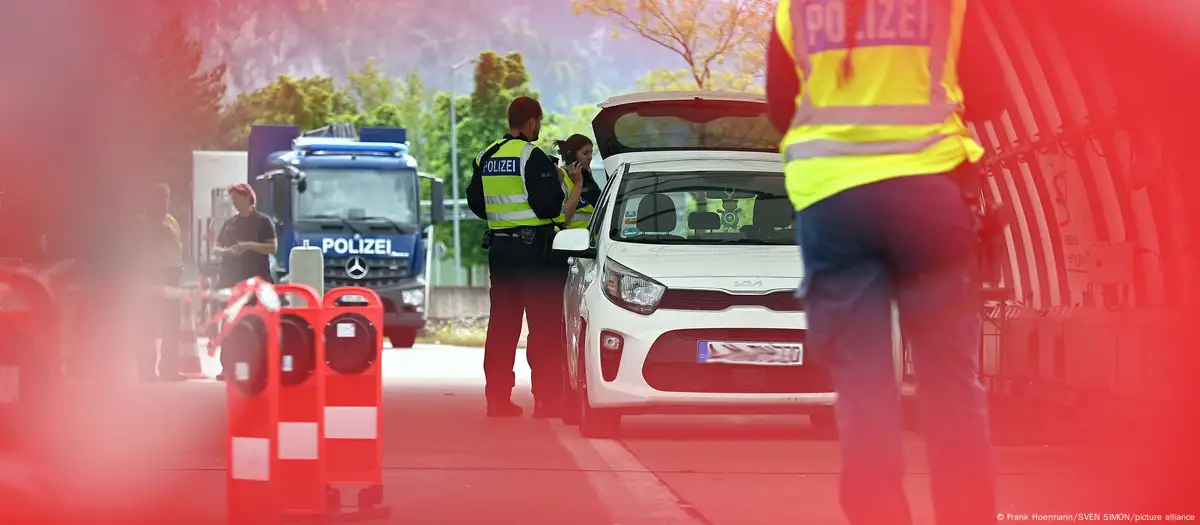
German Police Are Overwhelmed: 2.8 Million Overtime Hours and Mounting Stress Behind Border Controls

German federal police are sounding the alarm — working conditions are deteriorating rapidly amid the surge in border controls, leaving officers exhausted and frustrated. With millions of overtime hours logged and growing tensions over issues like racism, sexism, and even poor sanitary facilities, the force is stretched to its limits. What’s driving this crisis, and what could it mean for Germany’s security and society?
Border Controls: The Heavy Toll on German Police
Since Germany ramped up strict border checks, aiming to curb immigration flows amid rising political pressure, the workload for police has exploded. These measures, meant to be temporary exceptions within the EU’s Schengen open-border system, have become a new norm — with police bearing the brunt of enforcement.
The numbers are staggering: by May 2025, federal police had clocked more than 720,000 overtime hours just turning people back at border crossings. Meanwhile, police unions report the real figure could be as high as 2.8 million hours of overtime across the force.
Why So Much Overtime?
The German government’s tough stance on immigration, particularly asylum seekers, has translated into more frequent and intensive identity checks, rejections, and paperwork at borders — all requiring extra manpower and time.
Federal Police Commissioner Uli Grötsch has confirmed the heavy toll these duties take on officers, while Interior Minister Alexander Dobrindt defends the policy, citing a decline in asylum applications as proof of its effectiveness.
Beyond Overtime: Deepening Stress and Workplace Struggles
But the overtime clock isn’t the only problem. Officers complain about:
- Racism and sexism within the ranks and from the public
- Inadequate sanitary facilities at border posts
- Increasing stress and pressure from politically charged work
- A feeling of being “caught in the middle” of heated political debates
These conditions risk undermining morale and the ability of police to perform their duties effectively.
Political Pressure and Legal Controversies
The controversial border policy has stirred legal debates as well. Critics argue that the rejection of asylum seekers at borders may violate European and international laws, while supporters insist the measures are necessary for national security.
This political tug-of-war has left police officers not just physically exhausted, but also caught in the crossfire of conflicting public opinions and legal uncertainty.
What Are Authorities Doing?
The federal police commissioner is actively working on solutions to ease the burden, including:
- Improving workplace conditions
- Addressing harassment issues
- Exploring staffing reinforcements
However, with political pressure unlikely to ease soon, finding a sustainable balance remains a massive challenge.
Why This Matters
Germany’s border controls represent a critical test for the country’s law enforcement and political leadership. The current strain on police forces threatens public safety and highlights the human cost behind headline policies.
How Germany manages this crisis will send a message to the entire EU about the limits of border enforcement and the importance of supporting frontline workers.
What’s Next?
Will Germany reduce border controls to ease police workloads? Can new policies or technologies help alleviate pressure? Or will officers continue to pay the price of politics with their health and morale?
These questions are vital as Europe grapples with migration challenges and the future of open borders.