
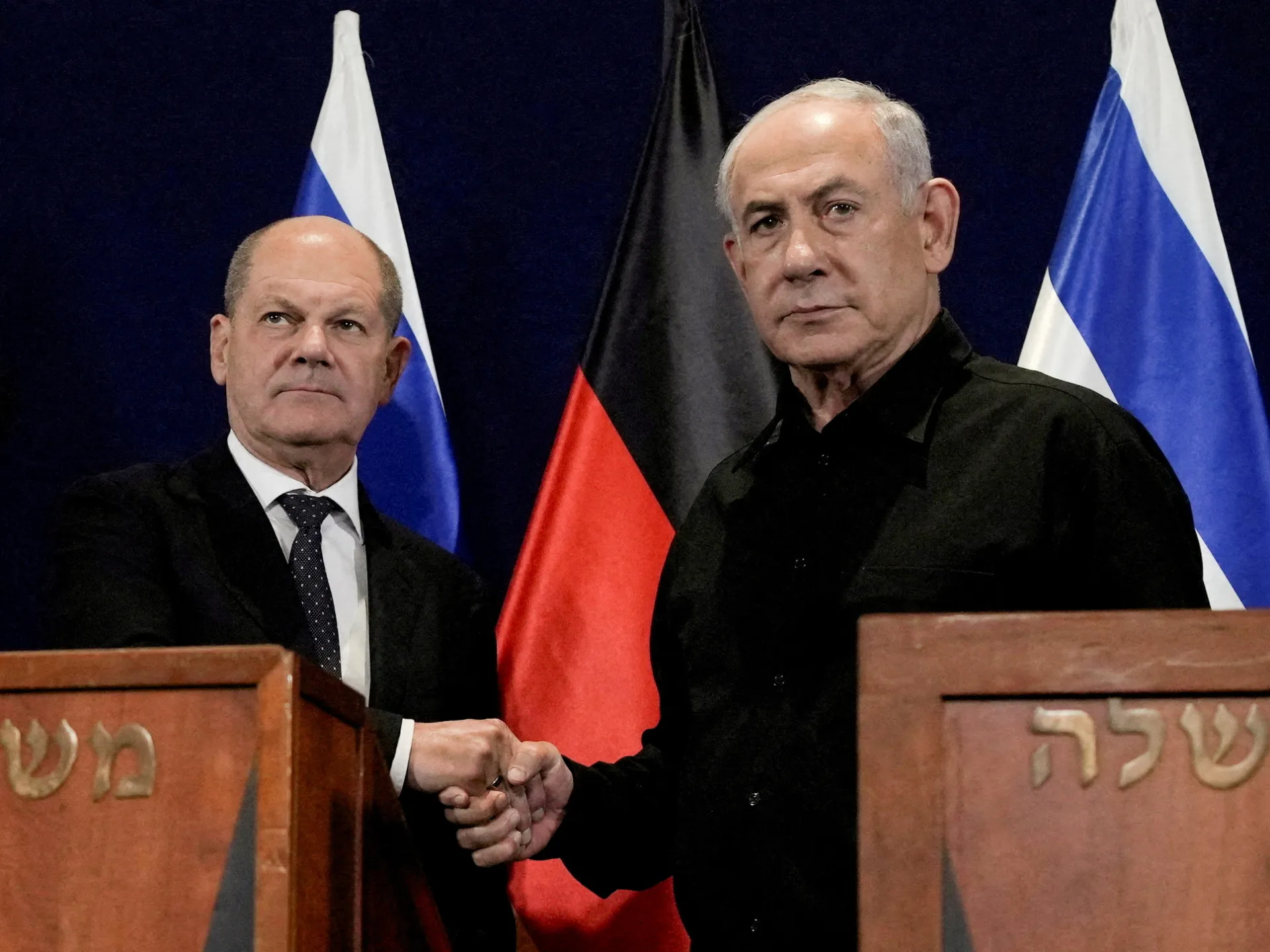
German Government Denies Rift Over Israel’s Conduct in Gaza Amid Coalition Differences

Germany’s ruling coalition has publicly dismissed reports of internal divisions over Israel’s recent military actions in Gaza, insisting that it maintains a united front despite apparent differences within the government. The controversy arose after Germany chose not to join a 28-country joint declaration that criticized Israeli conduct, sparking speculation about fractures within Berlin’s political leadership.
Background: Tensions Over Gaza and International Response
The situation in Gaza has escalated significantly, with Israel conducting intense military operations in response to rocket fire and militant activity. The international community has reacted with varying degrees of support and criticism. Some nations have expressed strong condemnation of Israel’s tactics, citing humanitarian concerns, while others have voiced unwavering support for Israel’s right to defend itself.
In this complex global context, Germany’s stance holds particular significance. As one of Israel’s closest allies in Europe and a leading voice in international diplomacy, Germany’s position impacts regional dynamics and influences European Union policymaking.
The Reported Rift
The current controversy emerged when Germany refrained from co-signing a 28-country declaration at a recent international forum that criticized Israel’s military actions in Gaza. While many European countries and allies endorsed the statement condemning the humanitarian impact of the conflict, Germany opted out, triggering speculation about disagreements within the ruling coalition.
The coalition, led by Chancellor Olaf Scholz and comprising the Social Democrats (SPD), Greens, and Free Democrats (FDP), is known for its diverse viewpoints on foreign policy and human rights issues. Observers noted that while some factions advocated a more critical stance toward Israel, others prioritized maintaining strong bilateral ties and support for Israel’s security concerns.
Media reports suggested that the Greens and SPD were more inclined toward a measured critique of Israel’s operations, emphasizing humanitarian protections and calls for de-escalation, whereas the FDP reportedly leaned toward a firmer pro-Israel position.
Government Response: Emphasizing Unity
In response to these reports, the German chancellery issued statements stressing the coalition’s cohesion and shared principles regarding Israel and the Middle East conflict. Officials affirmed that, despite internal debates, the government maintains a consistent and united policy.
A spokesperson for Chancellor Scholz said, “The coalition stands together on its fundamental support for Israel’s security and right to self-defense. Differences in tone or emphasis on humanitarian concerns are part of healthy democratic discourse but do not represent a division in policy.”
The spokesperson further highlighted Germany’s dual commitment to supporting Israel while advocating for a peaceful resolution to the conflict that respects international humanitarian law.
Political Context: Balancing Diplomacy and Domestic Politics
Germany’s nuanced position reflects the delicate balancing act the government faces domestically and internationally. On one hand, Germany’s historical ties and security cooperation with Israel are strong, rooted in decades of partnership and a commitment to Israel’s right to exist and defend itself.
On the other hand, Germany’s political leadership must respond to growing domestic concerns over civilian casualties in Gaza and uphold Germany’s broader values related to human rights and international law. This balancing act is further complicated by Germany’s diverse political coalition, which includes parties with differing perspectives on foreign policy.
The Social Democrats and Greens, traditionally more progressive on human rights issues, have pushed for Germany to take a stronger stance on humanitarian aspects and the need for ceasefire negotiations. The Free Democrats, more economically and security-oriented, have prioritized Israel’s strategic and security concerns, advocating for a firm position against terrorism and militant attacks.
International Implications
Germany’s decision not to join the 28-country statement reflects its attempt to maintain diplomatic flexibility amid a highly polarized international debate. By abstaining from the joint declaration, Germany signals its desire to preserve its close relationship with Israel without entirely alienating its European partners who seek stronger criticism of Israeli actions.
This approach aligns with Germany’s historical policy of carefully navigating Middle Eastern politics, promoting dialogue and conflict resolution, and supporting multilateral efforts for peace. Germany’s role as a key player in the European Union means its stance influences broader EU policies and discussions on the Israeli-Palestinian conflict.
Criticism and Reactions
Critics, including opposition politicians and civil society groups, have voiced concerns that Germany’s reluctance to openly condemn Israeli military actions undermines its credibility as a defender of human rights and international law. Some argue that the government’s cautious approach prioritizes strategic alliances over humanitarian principles.
Opposition leader Friedrich Merz remarked, “Germany must be clear and consistent in condemning violations of human rights, regardless of geopolitical considerations. The government’s ambiguous position risks damaging Germany’s standing on the global stage.”
Human rights organizations have also called on Germany to take a stronger stance in support of Gaza’s civilian population, urging increased humanitarian aid and diplomatic efforts to halt hostilities.
Looking Ahead: Navigating a Complex Path
As the conflict in Gaza continues and international pressure mounts, the German government faces ongoing challenges in managing coalition dynamics, diplomatic relationships, and public opinion. The ruling coalition’s ability to present a united front will be tested as the situation evolves and calls for action intensify.
Germany’s position underscores the complexities faced by nations balancing alliances, strategic interests, and ethical responsibilities in an increasingly polarized global environment. While the government emphasizes unity, the underlying policy debates within the coalition are likely to continue shaping Germany’s approach to the Middle East in the coming months.

