Euro Soars Amid German Debt Brake Reform as Currencies Struggle with Trade War Fallout

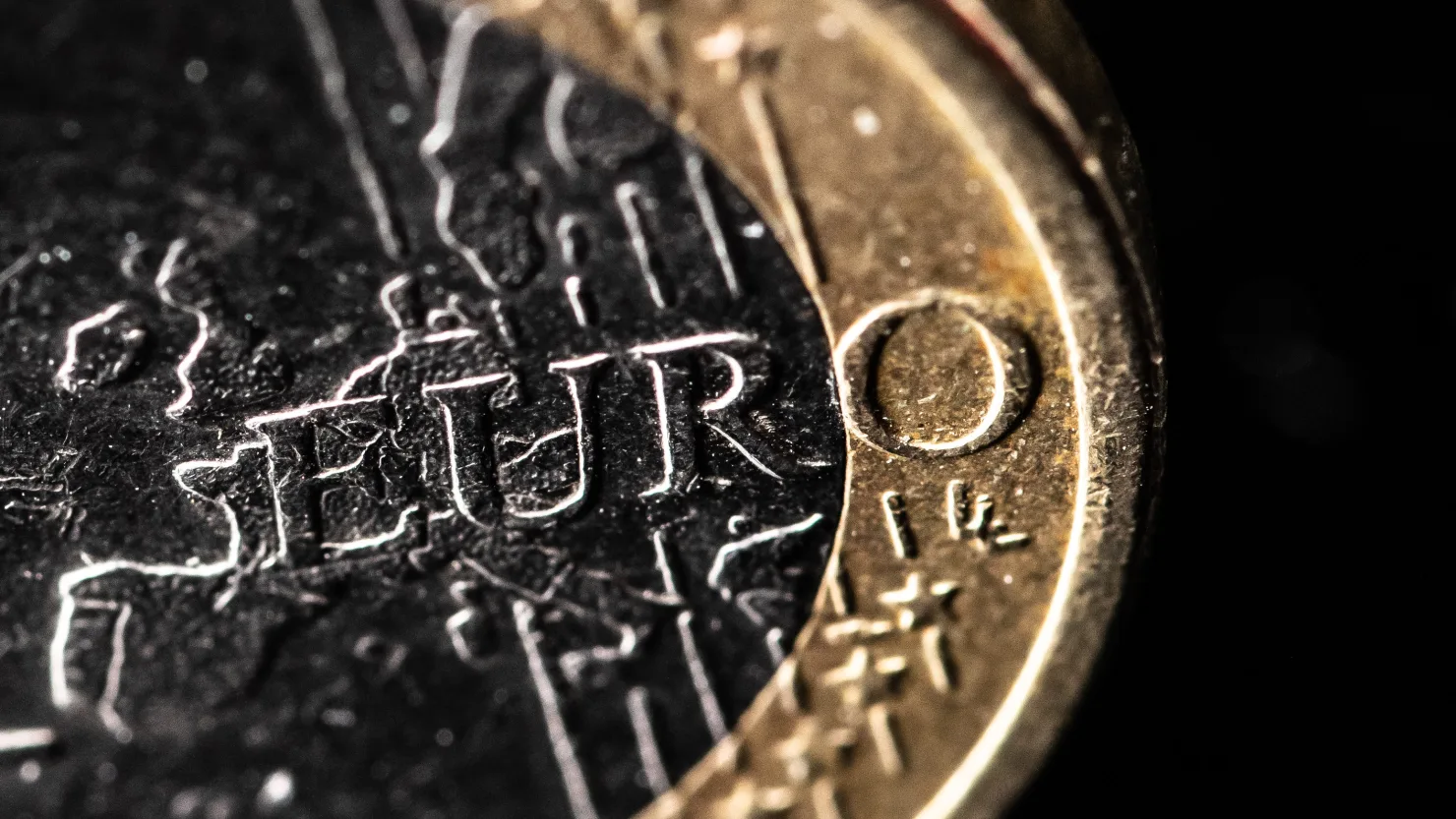
The euro surged to its highest level in nearly four months on Wednesday, buoyed by Germany’s historic debt overhaul agreement. At the same time, global currencies were on a wild ride, reacting to the ongoing fallout from U.S. President Donald Trump’s recent trade war actions.
Euro Climbs on Positive German Fiscal News
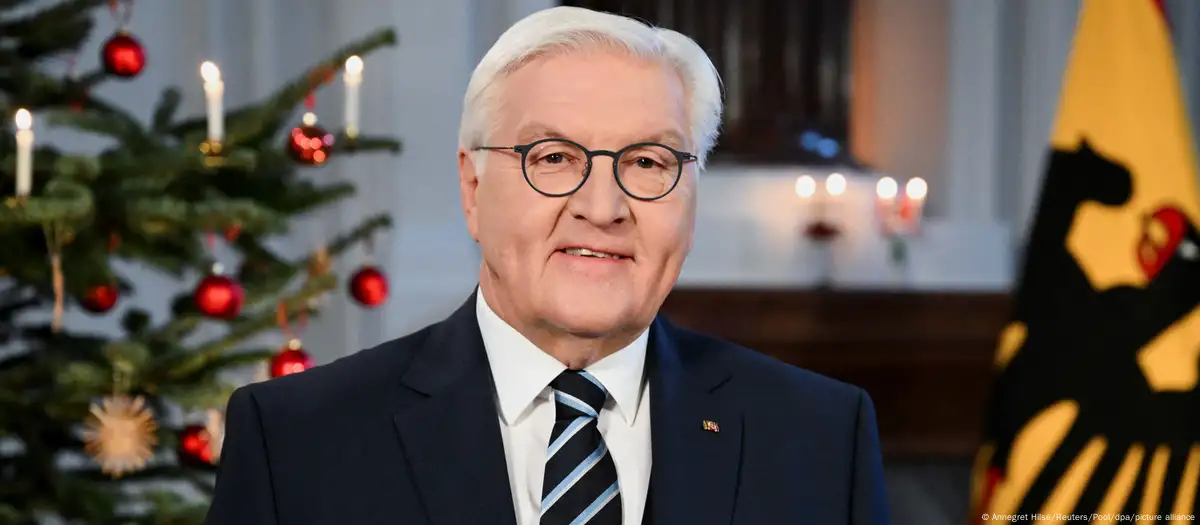
The euro had a strong day, rising to its highest value since November 13 at $1.0637 before slightly pulling back to $1.0616. The currency’s uptick was driven by major news from Germany, where the conservative and Social Democratic parties reached an agreement to overhaul the country’s fiscal rules. This historic change includes plans to create a massive €500 billion infrastructure fund and to relax Germany’s borrowing rules, which could lead to increased military and infrastructure spending.
This agreement is part of a broader effort to inject life into Europe’s largest economy and bolster growth. Analysts like Carol Kong, a currency strategist at Commonwealth Bank of Australia, pointed out that “optimism around increased defense spending in Europe” helped lift the euro.
If the proposed changes to the debt brake—Germany’s fiscal discipline law—are even more significant than expected, the euro could continue its rise. Increased spending could help boost European growth and strengthen the currency even further.
The Fallout from Trump’s Trade War
While the euro was benefiting from Germany’s fiscal news, the global currency markets were still reeling from the trade war triggered by U.S. President Donald Trump. On Tuesday, Trump imposed a 25% tariff on imports from Mexico and Canada and doubled duties on Chinese goods to 20%.
These tariff hikes immediately sparked retaliation. Canada and China quickly responded with their own tariffs, while Mexico’s President Claudia Sheinbaum promised a response, though no details were immediately given. Mexico’s retaliation is expected to be announced on Sunday.
In the wake of this trade escalation, the Canadian dollar (loonie) weakened by 0.12%, trading at C$1.4407, while the Mexican peso recovered some of its losses, standing at 20.5807 per dollar.
Other Currency Movements: A Volatile Day
Global currencies were caught in a whirlwind of uncertainty as investors tried to make sense of the trade war escalation. The U.S. dollar was notably weaker, struggling to recover from its losses earlier in the week. The greenback was hovering near a three-month low at 105.61 against a basket of currencies. Despite the potential short-term benefits of tariffs for the dollar, investors were more focused on the long-term economic implications of a trade war.
The British pound remained steady near a three-month high against the U.S. dollar at $1.2795. Similarly, the Japanese yen held its ground, trading at 149.88 per dollar, as investors sought safety in these currencies amid growing uncertainty.
Rising Trade Tensions Weigh on the Dollar
The recent surge in trade war tensions has put a dent in the U.S. dollar’s momentum. After a 0.9% drop on Tuesday, the greenback faced increased pressure as investors fretted about the impact of tariffs on the U.S. economy.
Boris Kovacevic, a global macro strategist at Convera, pointed out that the increasing inflation expectations and trade war concerns were “threatening the path of the U.S. economy towards a soft landing.” While tariffs could theoretically boost the dollar by encouraging demand for U.S. exports, the long-term effects of a trade war might outweigh these benefits.
The rising risks of stagflation, where inflation is high but economic growth slows, have investors concerned. This shift in sentiment—from viewing the U.S. economy as exceptional to fearing an economic slowdown—has led many to worry about the dollar’s future.
What’s Next for the Euro and Global Currencies?
With the euro rising on the back of Germany’s fiscal reforms, it’s clear that the currency could continue to gain ground in the coming months. If Germany follows through on its plans to loosen fiscal rules and invest in defense and infrastructure, it could further boost investor confidence in Europe’s economic recovery.
However, the global trade environment remains precarious. As tensions rise between the U.S., China, Canada, and Mexico, currencies like the Canadian dollar and the Mexican peso will remain volatile. The U.S. dollar, meanwhile, is likely to remain under pressure as trade wars exacerbate concerns about the U.S. economy.
For investors, the key question is whether the optimism around European growth and Germany’s fiscal overhaul will continue to support the euro, or whether trade war uncertainties will overshadow it.
Conclusion: A Volatile Market Ahead
As of now, the euro stands as a clear winner in the global currency markets, bolstered by Germany’s ambitious fiscal reform plans. The broader currency landscape, however, remains volatile, with the U.S. dollar struggling against the backdrop of escalating trade tensions.
The next few weeks will be critical in determining the direction of the euro, U.S. dollar, and other currencies. For now, Europe’s economic optimism is helping the euro, but the future of global trade will be the main story to watch. With tariffs continuing to stir uncertainty, investors will be keeping a close eye on how these tensions play out and how they affect currencies around the world.