
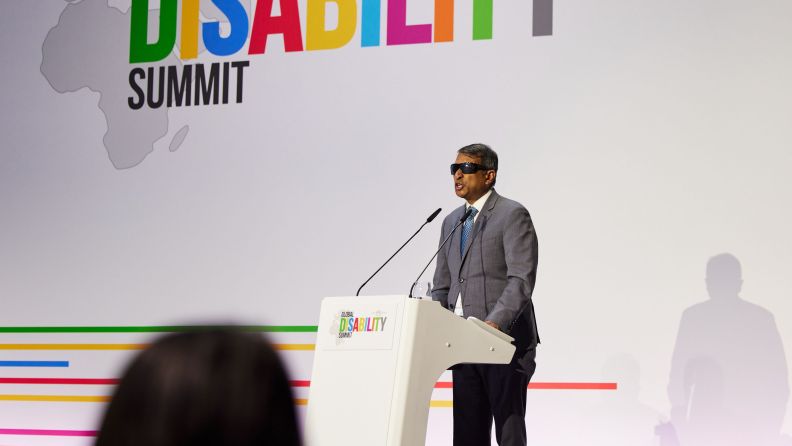
Disability Rights Are Human Rights: Scholz and King Abdullah II Call for Global Action at Berlin Summit

A Global Stand for Inclusion: What Happened in Berlin?
This week, Berlin became the center of a powerful global movement—the push for disability rights and inclusion. Leaders, activists, and changemakers from around the world gathered for the Global Disability Summit, co-hosted by Germany and Jordan.
At the forefront of this movement were German Chancellor Olaf Scholz and Jordan’s King Abdullah II, who stood together to send a clear message:
People with disabilities deserve equal rights, full inclusion, and dignity—everywhere.
What Is the Global Disability Summit?
Held in Berlin, the Global Disability Summit 2025 brings together world leaders, civil society, NGOs, and disability advocates to discuss concrete steps toward improving the lives of persons with disabilities.
The goals?
- Promote accessibility
- Strengthen inclusion in education, employment, and public life
- Ensure legal protections and human rights are upheld
- Mobilize funding and global cooperation
Scholz: “Inclusion Is Not Charity – It’s Justice”
German Chancellor Olaf Scholz didn’t mince words during his speech. He emphasized that inclusion is not optional—it’s a matter of justice and equality.
“Disability rights are human rights. We must break down the barriers that still exist—in buildings, in schools, in workplaces, and in people’s minds.”
Germany, he said, is committed to leading by example. That includes improving accessibility, increasing representation of disabled people in public life, and supporting inclusive education and employment opportunities.
King Abdullah II: “We Must Act Now, Not Later”
Jordan’s King Abdullah II echoed those calls for action, highlighting that inclusion is a global responsibility, not just a national one.
“We cannot speak of human dignity and leave people with disabilities behind. Change must be swift, and it must be global.”
Jordan, a country that has made strides in disability rights over the past decade, is using its platform at the summit to inspire others—especially in the Middle East and Global South—to step up and invest in inclusive systems.
Why This Summit Matters More Than Ever
1 in 6 people worldwide lives with a disability
That’s over 1.3 billion people globally—many of whom still face discrimination, lack of access to education or healthcare, and little say in decisions that affect their lives.
And yet, disability rights are often underfunded, overlooked, or deprioritized in global development.
This summit is a powerful reminder: true progress means leaving no one behind.
Big Themes from the Summit
Accessibility
From digital tools to public transportation, the summit focused on ensuring universal access to infrastructure and technology.
Education and Employment
A major focus was on inclusive education systems and fair job opportunities for persons with disabilities—especially in developing nations.
Legal Protections
The summit called on governments to implement and enforce laws that protect the rights of persons with disabilities, in line with the UN Convention on the Rights of Persons with Disabilities (CRPD).
Funding and Partnerships
Leaders also discussed the need for sustainable funding, international cooperation, and partnerships with disabled persons’ organizations (DPOs) to shape policies.
What’s Next After the Berlin Summit?
The summit may be over, but the momentum is just beginning.
- Countries are being urged to make real, trackable commitments to disability inclusion.
- A global progress report will follow to monitor implementation.
- Civil society and grassroots organizations will play a critical role in holding leaders accountable.
And while political speeches are important, what really matters is action on the ground—in schools, hospitals, businesses, and communities.
Inclusion Is Everyone’s Responsibility
The Global Disability Summit in Berlin was more than just a meeting—it was a call to action for humanity. When leaders like Scholz and King Abdullah II stand together, they send a powerful message:
Inclusion isn’t a favor. It’s a right.
Whether you’re a policymaker, business owner, teacher, or citizen—you have a role to play in building a world where everyone belongs.