
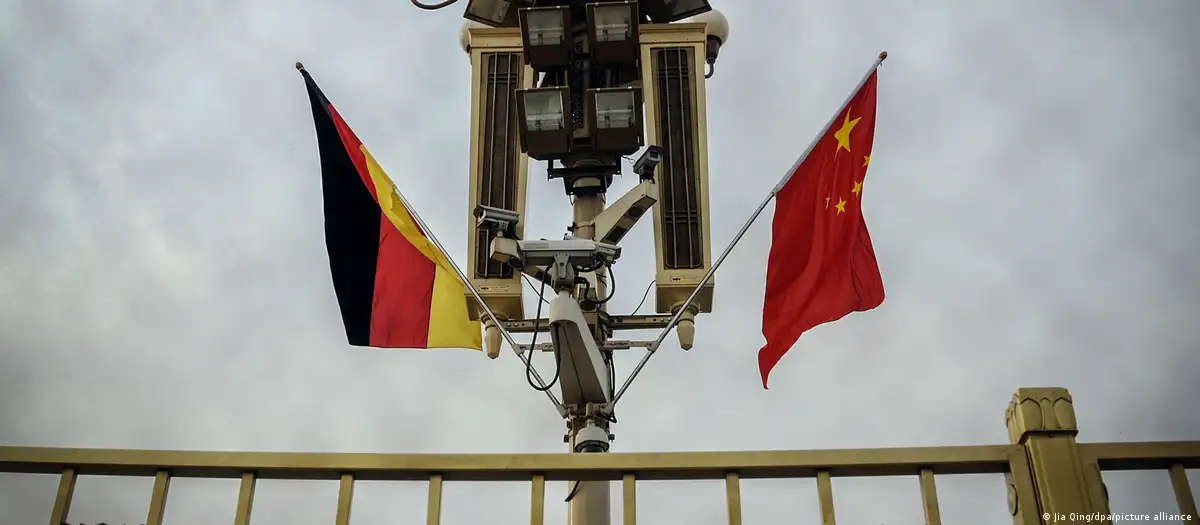

China has once again become Germany’s largest trading partner, overtaking the United States and reclaiming a position it held from 2016 to 2023.
The development comes just days before German Chancellor Friedrich Merz is scheduled to visit China, adding diplomatic weight to the shifting trade dynamics.
The change highlights the continued strength of economic ties between Berlin and Beijing, despite geopolitical tensions and efforts to diversify supply chains.
A Return to Familiar Trade Patterns
China Back on Top
For much of the past decade, China has been Germany’s most important trading partner, driven by strong demand for German automobiles, machinery and industrial goods, as well as German reliance on Chinese manufacturing inputs and consumer products.
Although the United States briefly overtook China in trade volume, the latest figures show Beijing reclaiming the top position.
This reflects the scale and resilience of the Germany-China economic relationship.
What’s Driving the Shift?
Strong Bilateral Trade Flows
Germany’s export-oriented economy relies heavily on global markets. China remains a critical destination for high-value German exports, particularly in the automotive and industrial sectors.
At the same time, German companies import significant volumes of intermediate goods and components from China, integrating them into supply chains across Europe.
Slower US Trade Growth
While the United States remains one of Germany’s most important economic partners, trade growth appears to have been outpaced by the rebound in commerce with China.
Fluctuations in global demand, currency movements and sector-specific performance can all influence annual trade rankings.
Diplomatic Timing: Merz’s Visit to China
The shift in trade leadership comes ahead of Chancellor Friedrich Merz’s upcoming trip to China.
The visit is expected to focus on:
- Economic cooperation
- Market access for German companies
- Supply chain resilience
- Geopolitical stability
Given the scale of bilateral trade, economic discussions are likely to feature prominently on the agenda.
Strategic Implications for Germany
Germany has been working to reduce overreliance on any single trading partner, particularly amid growing geopolitical tensions and debates within the European Union about “de-risking” from China.
However, the latest trade data underscores how deeply interconnected the two economies remain.
For policymakers, the challenge lies in balancing economic opportunity with strategic caution.
The Bigger Picture
China reclaiming the top trading partner spot highlights several broader trends:
- Global trade relationships remain fluid and highly competitive
- Europe’s largest economy continues to depend heavily on international markets
- Efforts to diversify trade do not immediately replace established economic ties
As Chancellor Merz prepares for his visit, the renewed trade milestone adds significance to discussions between Berlin and Beijing.
Germany’s economic future remains closely linked to global demand — and China continues to play a central role in that equation.

