Car Drives Into Crowd at Christmas Market in Germany, Leaving Multiple Casualties

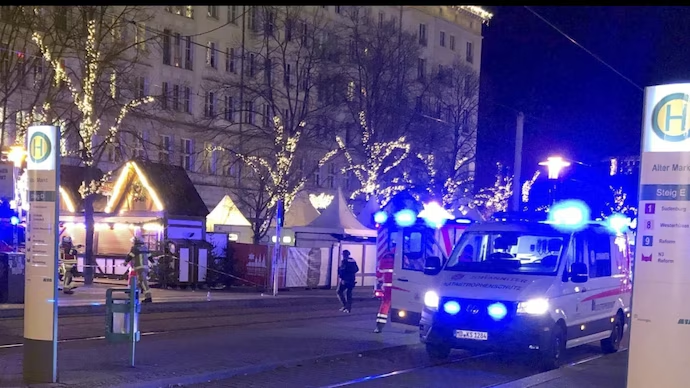
A tragic incident unfolded at a Christmas market in Magdeburg, Germany, when a car plowed into a crowd, killing at least two people and injuring over 50 others. The incident has sent shockwaves through the community and raised serious concerns about security at public events, especially during the festive season. Here’s everything we know about this tragic event.
The Incident: Car Crashes Into Christmas Market Crowd
On the evening of [date], a car drove into a busy Christmas market in Magdeburg, a city in eastern Germany. The crash resulted in the deaths of at least two people, including a child, and left more than 50 others injured. Eyewitnesses and social media footage from the scene show chaos and panic as paramedics rushed to help the wounded.
Authorities quickly launched an investigation, suspecting the act to be deliberate. While the driver’s identity has not been fully disclosed, it was reported that the suspect is a doctor from Saudi Arabia, who had been working in the region of Saxony-Anhalt, where Magdeburg is located.
What We Know About the Suspect
The driver of the car, a man from Saudi Arabia, is believed to have intentionally crashed into the crowd. Authorities have stated that he was not previously known to them as an Islamic extremist, though they are exploring all possible motives.
Local officials are continuing to investigate whether the incident was an isolated act or linked to larger threats. The suspect was detained at the scene, and German security forces are working quickly to piece together the details.
Security Concerns and Vigilance at Christmas Markets
This tragic incident raises serious questions about the security measures at Christmas markets in Germany, which are popular destinations for locals and tourists alike during the holiday season.
Just weeks before this attack, on November 28, German Interior Minister Nancy Faeser called for heightened vigilance at Christmas markets across the country. While she emphasized there was no direct evidence of a specific threat, she pointed out that there was a broader “high threat situation” due to global tensions and potential risks.
Faeser highlighted the importance of remaining alert to possible dangers, noting that authorities were closely monitoring “all conceivable threats,” including enforcing a strict knife ban at Christmas markets.
Despite these warnings, the attack in Magdeburg shows how vulnerable public spaces remain, particularly during large festive gatherings.
Past Attacks and Increased Security
Germany has been no stranger to Christmas market attacks in recent years. The most notable was the deadly attack in Berlin in 2016, when a truck driven by a man pledging allegiance to ISIS plowed through a Christmas market, killing 13 people and injuring dozens more. Since then, security measures have been significantly bolstered in major cities like Berlin, including the installation of concrete barriers around popular Christmas markets to prevent similar attacks.
Authorities have learned from past tragedies, and many cities have ramped up security measures during the festive season. However, the attack in Magdeburg calls into question whether these same high-level protections are in place in smaller cities, like Magdeburg, which may not have the same resources or visibility as larger metropolitan areas.
Foiled Plot in Bavaria Raises Concerns
Just two weeks ago, German authorities prevented a potential terror attack targeting another Christmas market in Bavaria. A 37-year-old man from Iraq was arrested after reportedly making threats on social media about running a car through a Christmas market in Augsburg. He had also shared pictures of the market and was believed to be planning an attack. Thanks to a tip-off from a foreign intelligence agency, German authorities were able to stop the plot before it could unfold.
These recent events suggest that while security measures are in place, the risk of attacks on public spaces—especially during crowded events like Christmas markets—is still high. The Magdeburg incident has reignited these concerns as it comes amid a broader political crisis in Germany and with national elections looming next year.
Magdeburg: A City in Shock
Magdeburg, a city of approximately 240,000 people located southeast of Berlin, is now at the center of a national conversation on security and public safety. The town, which is not typically a hotspot for large-scale events, now finds itself grappling with the fallout from this devastating attack.
The city had been bustling with holiday cheer before the tragedy struck, and the market had been one of the most anticipated events of the season. Now, residents and visitors alike are left to process the horror of the event.
Local officials have promised to increase security measures in the wake of the attack, and authorities are working to provide support to the victims and their families. Psychological support and counseling services are being made available for those affected by the incident.
A City’s Heartbroken Holiday
For the people of Magdeburg and the broader German public, this attack is a somber reminder of the vulnerabilities we all face, even in places meant to bring joy. The Christmas market—traditionally a safe, festive gathering—has now become a site of tragedy.
As the investigation continues, German authorities are urging citizens to remain vigilant, especially in crowded public places. Security measures will likely be reviewed and enhanced in the coming days as the country reflects on the safety of its citizens during the holiday season.
Conclusion: Safety Remains a Top Priority
The deadly incident in Magdeburg underscores the importance of ongoing vigilance when it comes to public safety—especially at large, public events. While Christmas markets are a symbol of joy and togetherness, they are also potential targets for attacks, and security measures must continue to evolve to meet these growing risks.
As Germany processes the shock of this tragedy, the nation is once again reminded of the importance of staying alert and prepared for any threats, no matter how festive the occasion.