
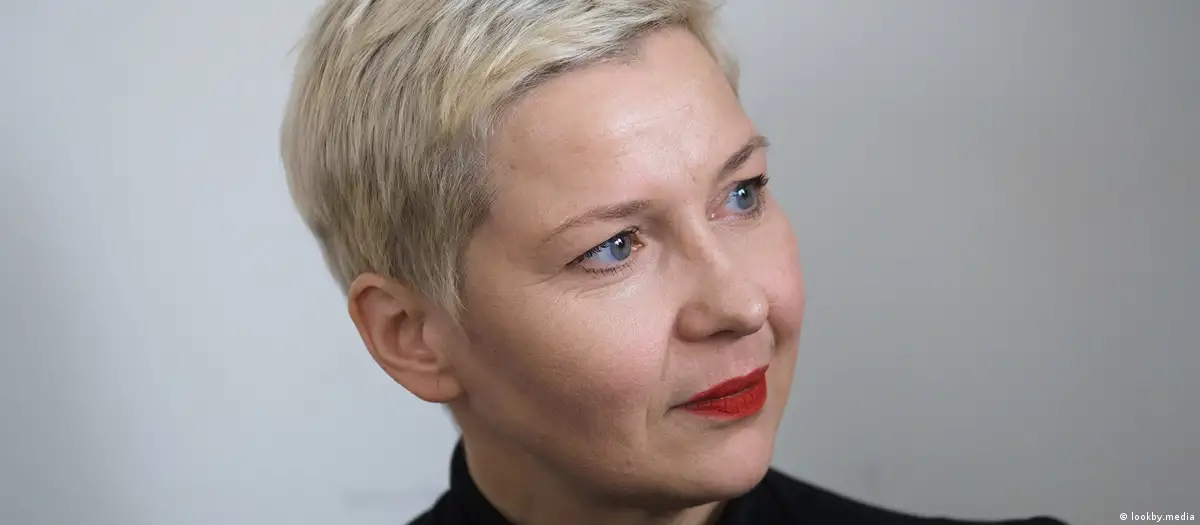

Belarusian opposition leader Maria Kolesnikova has called on European Union leaders to reengage diplomatically with President Alexander Lukashenko. She argued that reopening channels of communication is one of the few viable ways to alleviate the suffering of political prisoners and their families in the country.
Kolesnikova’s statement comes amid a continued political and human rights crisis in Belarus, where opposition figures, activists, and ordinary citizens face repression, harassment, and imprisonment for dissenting against the government.
The Context of Belarus-EU Relations
Belarus’s relationship with the EU has been tense for years. After disputed presidential elections in 2020, which many observers called neither free nor fair, the EU imposed sanctions on Belarusian officials and entities linked to political repression. In response, Lukashenko’s government intensified crackdowns on dissent, including arrests of journalists, opposition politicians, and activists.
The EU has largely maintained a policy of non-engagement with Lukashenko personally, instead channeling pressure through sanctions, diplomatic isolation, and support for civil society. While these measures have signaled EU disapproval, they have not resulted in significant changes on the ground, and many political prisoners remain behind bars.
Kolesnikova’s appeal challenges this approach, suggesting that strict isolation may have reached its limits and that selective dialogue might be more effective in addressing human suffering.
Why Dialogue Could Matter
Kolesnikova highlighted the humanitarian dimension of the crisis. Families of political prisoners face immense emotional and financial stress, compounded by limited access to justice. She argued that diplomatic engagement could provide a pathway for negotiation, potentially leading to temporary or permanent releases of detainees.
According to Kolesnikova:
“The plight of political prisoners cannot be resolved from a distance. Engagement, even if cautious, seems the only way to relieve their suffering.”
She emphasized that such engagement would not require compromising on fundamental principles, but could focus on immediate humanitarian priorities. The strategy would also allow the EU to retain leverage while pursuing tangible outcomes for Belarusian citizens.
Challenges to Reopening Diplomatic Channels
Despite Kolesnikova’s appeal, the idea of reopening dialogue is politically sensitive. Several EU member states remain wary of legitimizing Lukashenko, who is often described as “Europe’s last dictator.” Critics argue that engaging directly with the Belarusian government might weaken the EU’s stance on human rights and democracy.
Additionally, Lukashenko’s administration has historically used negotiations as a political tool, extracting concessions while continuing repressive measures domestically. This history has made some European policymakers skeptical of any renewed dialogue.
However, proponents argue that humanitarian engagement and strategic diplomacy are not mutually exclusive. Carefully structured talks could provide relief to political prisoners without undermining broader sanctions or EU principles.
The Role of Political Prisoners in Belarus
Political prisoners remain a symbol of Belarus’s crackdown on dissent. Thousands of individuals have been detained since the 2020 elections for participating in protests, speaking out against the government, or supporting opposition figures.
Organizations monitoring Belarusian human rights report ongoing harsh prison conditions, including psychological pressure, denial of medical care, and restricted family visits. These conditions have drawn widespread condemnation and calls for international intervention.
Kolesnikova, herself a former political prisoner, has firsthand experience of the human toll of detention under Lukashenko’s regime, lending weight to her appeal for EU engagement. Her perspective emphasizes the urgency of a humanitarian approach, even amid ongoing political tensions.
Possible Approaches for the EU
If the EU chooses to heed Kolesnikova’s call, several approaches could be considered:
- Targeted Humanitarian Talks: Engage Lukashenko’s government on specific issues such as the release of political prisoners, access to healthcare, and family visitation rights.
- Conditional Engagement: Link dialogue to measurable humanitarian outcomes without lifting sanctions or compromising EU values.
- Third-Party Mediation: Involve neutral international actors to ensure that dialogue remains focused on practical relief measures rather than political legitimization.
- Monitoring and Reporting Mechanisms: Establish frameworks to track progress on agreements and ensure accountability.
Such measures could provide immediate relief to citizens while maintaining the EU’s moral and political credibility.
Broader Implications
Kolesnikova’s proposal reflects a growing debate in Europe about how best to influence authoritarian regimes. Strict isolation can signal disapproval but may have limited impact on the lived realities of those oppressed. On the other hand, carefully managed engagement could produce tangible humanitarian benefits while keeping broader pressure intact.
The EU will need to weigh the humanitarian urgency against the political risks of engaging with Lukashenko, balancing principles with pragmatism.
Looking Ahead
As the situation in Belarus remains tense, voices like Kolesnikova’s bring attention to the human cost of political standoffs. Whether the EU will take steps toward dialogue remains uncertain, but her appeal adds an important perspective to ongoing discussions about how to support Belarusian citizens and political prisoners effectively.
Her call may mark the beginning of renewed debates within the EU on the balance between sanctions, diplomacy, and humanitarian engagement — a conversation that could shape Belarusian policy for years to come.

