
Angela Merkel Slams Friedrich Merz for Using Far-Right Votes in Border Policy Debate

Angela Merkel Criticizes CDU Leader for Turning to Far-Right AfD Votes
Germany’s former Chancellor, Angela Merkel, has again voiced her strong criticism of the leader of her former party, Friedrich Merz, after he used the support of the far-right AfD (Alternative for Germany) party to pass a key resolution in parliament. Merkel’s comments come after the resolution, which focused on border policy, sparked a major political backlash across Germany.
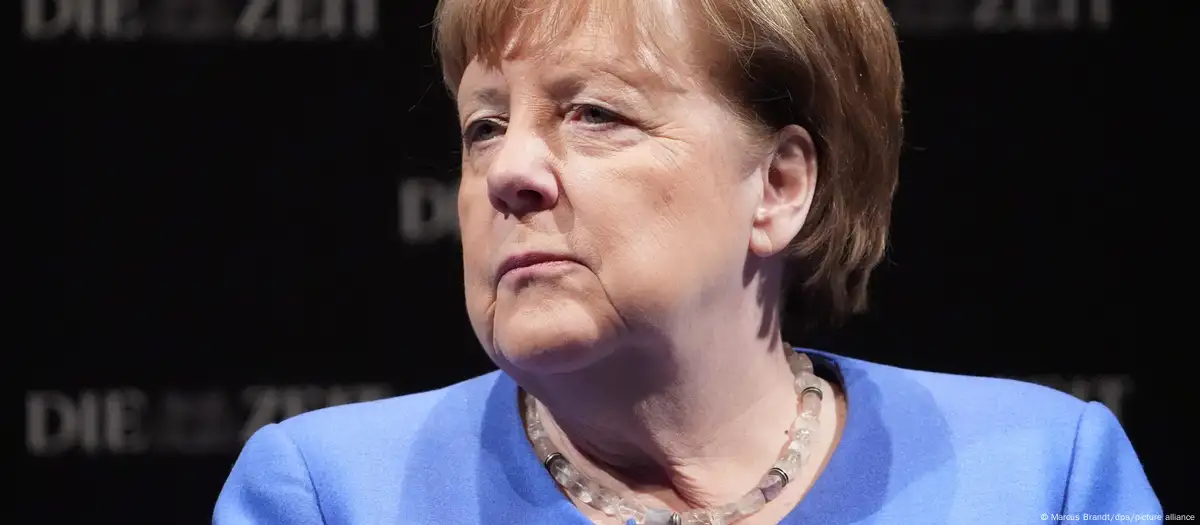
In a recent event hosted by Die Zeit, Merkel explained why she believed Merz’s decision to rely on votes from the far-right was a major misstep, especially for Germany’s democratic values. Her remarks shine a light on the tension within Germany’s political landscape as parties grapple with the rise of extreme-right influence.
The Controversial Vote: What Happened in Parliament?
Last week, Friedrich Merz, leader of the opposition party CDU (Christian Democratic Union), pushed a non-binding resolution on border policy through the German parliament. While the resolution was not legally binding, it attracted significant attention because Merz secured votes from the far-right AfD to ensure its passage.
This vote raised eyebrows because of Germany’s longstanding political norm, the “firewall,” which has historically prevented any cooperation between mainstream parties like the CDU and extreme-right groups such as the AfD. The firewall was meant to ensure that parties with Nazi-era connections or extreme nationalist views never again had influence in German politics.
Merkel’s Reaction: A Strong Warning for Merz
Following the controversial vote, Angela Merkel didn’t hold back in criticizing Merz. She was adamant that it was wrong for him to rely on the support of the AfD, saying that it violated a critical principle.
“I don’t think it’s right to remain silent in such a crucial situation,” Merkel said. According to her, this was a matter of fundamental importance for Germany’s future, and Merz’s actions were a direct contradiction of promises made by the CDU after the collapse of the coalition government.
Merkel explained that Friedrich Merz had previously pledged not to work with the AfD in any capacity, especially when it came to passing legislation. The fact that he broke that promise and turned to the far-right for support was deeply troubling, according to the former Chancellor.
A Breach of Trust: Breaking the Post-Nazi Norm
The controversial move by Merz sparked widespread protests and political outcry in Germany. Many saw this as a dangerous precedent, especially after decades of strict policy against collaborating with far-right groups. Merkel expressed concern that by seeking AfD votes, Merz had broken a critical post-Nazi norm that ensured the far-right would never play a direct role in influencing German policy.
The AfD has long been a controversial party, often accused of promoting nationalist, anti-immigrant rhetoric, and its growing presence in Germany’s political system has created a tense atmosphere. By using their support to pass a border policy resolution, Merz’s actions were seen by some as giving legitimacy to a party many view as harmful to Germany’s democracy.
Why This Matters: The Future of Germany’s Political Landscape
Merkel’s criticism of Merz isn’t just about a single vote in parliament—it reflects a larger concern about the direction in which Germany’s political system is heading. The use of the AfD’s votes to pass the resolution could indicate that the mainstream parties are becoming more willing to engage with extreme-right groups as they struggle to maintain power in a changing political environment.
Germany’s political establishment has traditionally rejected the far-right, but the rise of the AfD shows how much influence nationalist groups are gaining across Europe. Merz’s controversial vote with the AfD highlights the growing divide within German politics, especially when it comes to handling immigration and border policies.
For Merkel, a seasoned political leader who guided Germany through numerous challenges, protecting democratic values is her top priority. Her warnings to Merz reflect her deep concern that Germany’s political identity could be compromised if mainstream parties give in to the influence of the far-right.
The Wider Implications: What Does This Mean for Germany?
The Merkel-Merz clash represents more than just a party dispute. It is symbolic of the wider struggle in many European countries, where mainstream politics is increasingly confronted with the rise of populist and extreme-right movements.
In Germany, the AfD’s influence is growing, and Merz’s decision to ally with them could set a dangerous precedent for future political cooperation. It also raises questions about the values that Germany’s leaders are willing to uphold in the face of changing public opinion on issues like immigration and national identity.
For now, the controversy surrounding the AfD vote has left a significant mark on the CDU and on Merz’s leadership. His political opponents, including Merkel, are likely to continue pushing for a return to traditional values in the political establishment.
Can Merz Recover from Merkel’s Criticism?
As the CDU faces growing challenges from within and outside the party, Merz’s relationship with the far-right will be under intense scrutiny. The AfD’s involvement in passing key resolutions could have long-lasting effects on Merz’s political career and the future of the CDU.
For Merkel, the primary concern is maintaining Germany’s democratic integrity and ensuring that extreme-right elements do not hold too much influence. The coming months will likely reveal whether Merz can regain trust from the German public and his party or if his move towards the far-right will become a lasting stain on his leadership.
Conclusion: A Defining Moment for Germany’s Political Future
The Merkel-Merz feud over the AfD vote is more than just an internal party disagreement. It’s a reflection of broader concerns about Germany’s political future, the rise of the far-right, and how mainstream parties are responding to these challenges. As Germany navigates this uncertain political landscape, it will be crucial for leaders like Merz to reaffirm their commitment to the democratic principles that have long guided the nation.
Germany’s political system is at a crossroads, and the decisions made now will shape the country’s future for years to come.

