
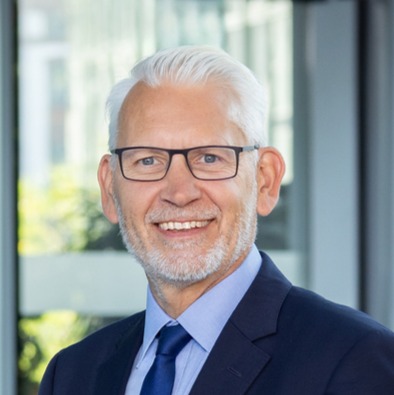

Uniper SE, which is Germany’s most prominent energy utility firm, is in the process of redesigning and restructuring its future under the guidance of its CEO, Michael Lewis. The energy utility firm is planning to invest approximately 5 billion Euros in the upcoming years until 2030, with a focus on investment in renewable energy, flexible gas-fired power generation capacity, and a future-oriented low-carbon technology-ready infrastructure. Such investment plans have come up in view of learning from shocks in the market and readjusting perspectives on the speed of transition in the energy sector.
A Strategy Emerging from Crisis and Resilience
The investment strategy used by Uniper is inextricably linked with its recent history. With Russia suddenly ceasing gas exports during the 2022 energy crisis, Uniper came perilously close to collapse, leading to it being majority-owned by the government of Germany. Ever since, Michael Lewis has worked towards restoring order and formulating a strategy to render it less susceptible to market volatility.
To begin with, Uniper had planned a more aggressive investment in green projects with higher capital expenditure commitments to promote fast-track decarbonization and hydrogen growth. However, with shifting economic circumstances such as higher interest rates, cost of construction, and ambiguity in hydrogen demand, a different approach had to be adopted in this new plan with a focus on ‘discipline over speed.’
Core Principles of the Investment Strategy
Lewis leads Uniper in a strategic investment plan of approximately €5 billion, where a series of important pillars have been established. One such major pillar is the increase in power generation capacity, which focuses on both renewable and gas-fired sources. Uniper targets a total of 15 to 20 gigawatts of generation capacity by 2030, of which at least half will derive from low-carbon or ‘green’ sources. The investments include both wind, solar, and hydroelectric sources and gas-fired generation, which will offer resilience during periods when generation from renewables is not sufficient.
Secondly, Uniper focuses on future-proofing its infrastructure. Hence, new gas-fired power stations are hydrogen-compatible, which implies they can be later retrofitted to operate using low-carbon fuels when hydrogen market demand is ripe. Therefore, this model gives Uniper a chance to contribute to decarbonization without taking a big risk in achieving this through unreliably proven technology.
Third, Uniper will focus on enhancing its liquefied natural gas LNG business. LNG is important for securing supplies not only in Germany but in Europe in general due to the shutdown of nuclear and coal-fired stations. Improving access to LNG will enable Uniper to mitigate reliance on a single source of supply and diversify its revenue base.
Lewis’s Leadership Philosophy
One of the most important aspects emphasized by Michael Lewis is risk awareness. He focuses not on aggressive expansion but rather on investments where returns are stable or regulated. This marks a major departure from the traditional merchant power model, which relies heavily on fluctuating wholesale electricity prices for gains.
Lewis has also pointed out regulatory uncertainty among other challenges. With delays in government support schemes for new gas-fired power stations and slow roll-out of hydrogen infrastructure, it is not feasible to commit heavy capital expenditure. Uniper is therefore prioritizing projects with Sequenced Capital Expenditure.
Consequences for Energy Transition in Germany
The strategy being adopted by Uniper reflects a trend in the European energy market in which it appears that transition is underway but in a manner which is less swift and less radical than called for in original plans. In basing a mix of gas-fired and renewable energy capacity, Uniper recognizes a need to balance a commitment to grid reliability with a commitment to lower emissions.
Nevertheless, Uniper is not ditching its climate ambitions either. Spending on hydrogen-ready technology and other possible methods of reducing carbon emissions indicate an attempt to stay on course with decarbonization targets in Germany, although not in a linear manner as previously thought by policymakers.
Looking Ahead
Uniper’s success hinges on implementation. The projects have to come in on time and budget, and Uniper will have to respond to an evolving regulatory and market environment. The investment strategy is also important in positioning Uniper for a possible privatization in the latter part of this decade because of interest by the German state to divest its shares in Uniper. In conclusion, Michael Lewis’s strategic investment plan puts Uniper in a better and more adaptable position in the energy market. As they diversify with commercially viable projects in both renewables and gas capacity, they can help with energy transition in Germany without exposing the company to dangers as they had in the past.

