
Trump Will ‘Buckle Under Pressure’ if Europe Unites Against Tariffs, German Minister Says – Will the U.S. Back Down?

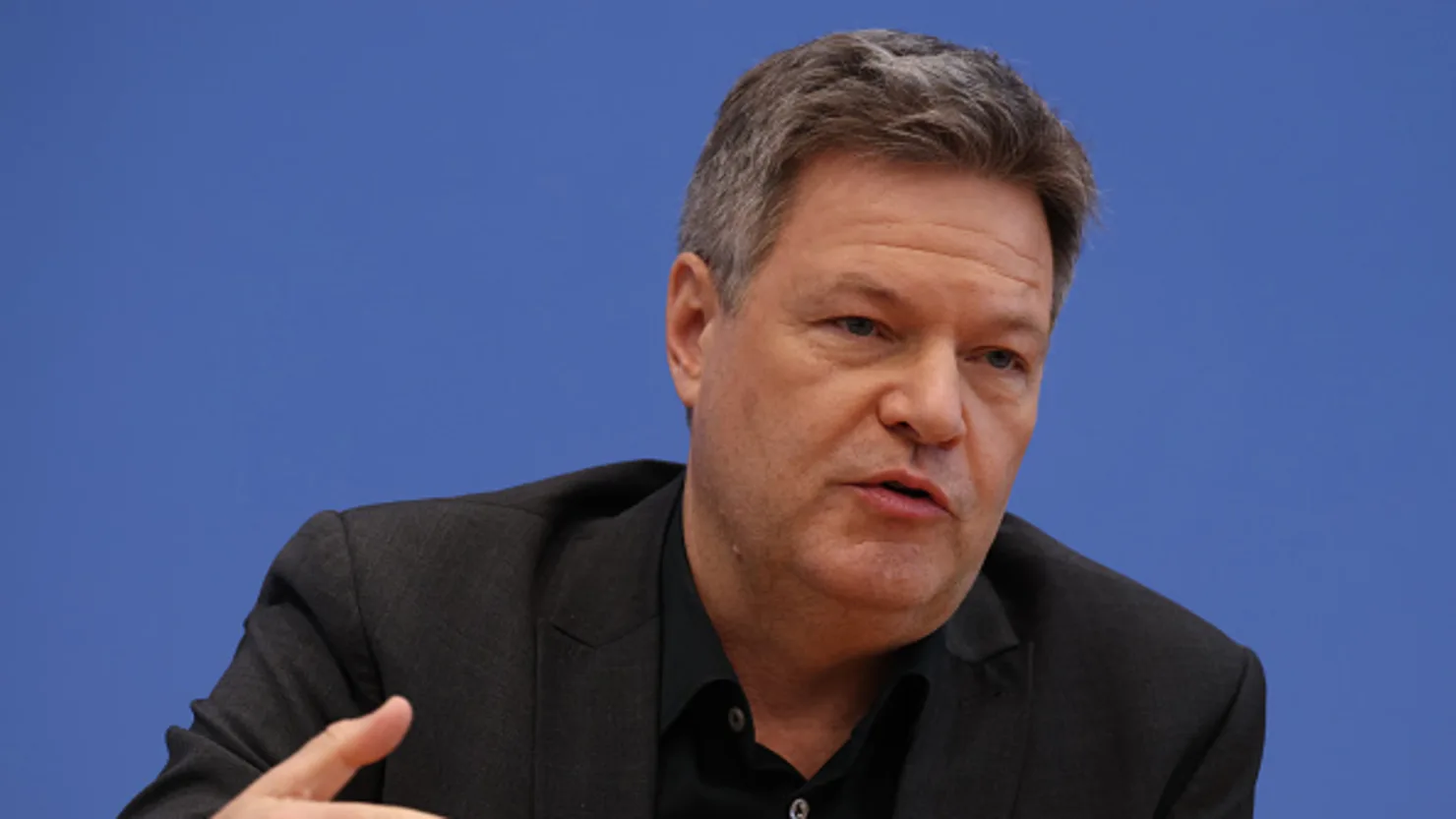
In a bold statement that’s sure to shake up global trade dynamics, German Economy Minister Robert Habeck has suggested that U.S. President Donald Trump could be forced to back down on his tariff policies if Europe unites in opposition. With Trump’s latest move imposing 20% tariffs on the European Union—including Germany, Europe’s largest economy—Habeck believes that a united European front could apply enough pressure to make Trump reconsider his position.
But will Europe actually come together to challenge the U.S.? And if they do, will it lead to a major shift in U.S. trade policy? Let’s take a closer look at this potential standoff and what it could mean for global trade.
Trump’s Latest Tariff Move: 20% Levvies on the EU
On Wednesday, President Trump stunned the global market with an announcement that he would impose 20% tariffs on products imported from the European Union. This included a heavy blow to Germany, the EU’s economic powerhouse. The new tariffs come as part of Trump’s ongoing trade war tactics, targeting what he sees as unfair trade practices by foreign nations, particularly in sectors like automotive and steel.
Trump’s administration has long expressed dissatisfaction with the trade imbalance between the U.S. and countries in the EU. By imposing hefty tariffs, Trump aims to level the playing field and push European countries into negotiating new deals that favor U.S. interests.
But the response from Europe has been swift, with many leaders criticizing the tariffs as unjustified and damaging to global trade relations.
Robert Habeck’s Bold Statement: Europe’s Power to Pressure Trump
In response to Trump’s latest tariff announcement, Robert Habeck, Germany’s Economy Minister, expressed confidence that Europe could force Trump to “buckle under pressure”. Habeck argued that if European countries come together as a unified bloc, they could create a political and economic force strong enough to force Trump to back down.
“Donald Trump will buckle under pressure,” Habeck said. “That is what I see, that he will correct his announcements under pressure, but the logical consequence is that he needs to feel that pressure.”
Habeck emphasized that Europe must not let Trump’s actions slide but should instead take a firm stance. This “pressure,” he believes, should come from the EU acting as one—from Germany, to France, to the smaller member states.
The message was clear: appeasing Trump or simply accepting his tariff decisions is not a sustainable strategy for Europe. Instead, they must create a “day of determination”—a decisive moment where Europe flexes its collective muscle and shows the U.S. that trade wars cannot be one-sided.
Germany and the EU’s Role in the Global Economy
But what exactly does this mean for Germany and the broader European Union?
As one of the largest economies in the world and the leading force in the EU, Germany plays a pivotal role in global trade. Its businesses, especially in the automotive sector, have benefited from years of access to U.S. markets without major trade barriers.
Imposing 20% tariffs on German cars and industrial products would have a devastating effect on German companies, especially those that rely heavily on exports to the U.S., like Volkswagen and BMW. This could lead to higher prices for American consumers and slower sales for German exporters, which would harm both countries’ economies in the long term.
As the largest economy in the EU, Germany has the most at stake. But if the EU as a whole can align on a collective response, it could make a significant dent in Trump’s strategy.
The “Arm Wrestle”: Will Europe Stand Strong?
At the heart of Habeck’s comments lies an “arm wrestle” between the U.S. and Europe. He envisions a battle of economic leverage, where each side tries to impose its will through trade tactics. For Europe, this means uniting across member states, while for Trump, it means holding firm on his “America First” agenda.
But how realistic is Europe’s response?
While countries like France and Germany have been vocal in their opposition to Trump’s tariffs, it remains to be seen whether the EU can truly form a unified front. The EU is a diverse political entity with its own internal disagreements, which could hinder its ability to respond quickly and decisively to Trump’s tariff threats.
Additionally, if Europe retaliates with its own tariffs, the consequences could spiral, leading to a trade war that would hurt both sides. In the long term, this could disrupt global supply chains and lead to higher costs for consumers and businesses around the world.
Why Is Trump Imposing Tariffs?
To understand the stakes, we need to take a step back and look at why Trump has been so aggressive with his trade policies. Trump’s administration has consistently claimed that the U.S. is being taken advantage of in its trade deals with other nations, particularly in the automotive and steel sectors.
The tariffs on the European Union are part of Trump’s larger effort to rebalance trade deals to make them more favorable to the U.S. The idea is that trade deficits—where the U.S. imports more than it exports—are harmful to the economy. By imposing tariffs, Trump believes the U.S. can level the playing field and create more opportunities for domestic industries.
However, critics argue that tariffs are a double-edged sword. While they may benefit certain industries in the short term, they also raise costs for American consumers and create friction with trading partners, which could harm the global economy.
What Happens Next?
So, what’s next in this high-stakes trade drama?
If Germany and the EU choose to stand firm against Trump’s tariffs, we could see a new chapter in global trade relations. A united European front could apply enough pressure on the U.S. to force Trump to reconsider his tariff strategy, especially if retaliatory measures come into play.
However, it’s not guaranteed that Europe will be able to unite in the way Habeck envisions. The EU’s internal divisions, along with the global nature of trade and diplomatic complexities, could make it difficult to apply consistent pressure on the U.S.
In the end, whether Trump “buckles” or not depends on how strong Europe’s response is—and how much damage the tariff battle does to both sides.
The Bottom Line: The Future of U.S.-EU Trade Relations
For now, the future of U.S.-EU trade remains uncertain. The 20% tariffs on European products are just the latest escalation in a trade war that seems to be gaining momentum.
Will Europe’s united front be strong enough to pressure Trump into backing down? Or will Trump’s America First agenda continue to dominate U.S. trade policy, regardless of the consequences?
As the situation unfolds, it’s clear that global markets and economies will be keeping a very close eye on this developing conflict. For businesses, investors, and consumers alike, the stakes are high, and the outcome is far from clear.

