
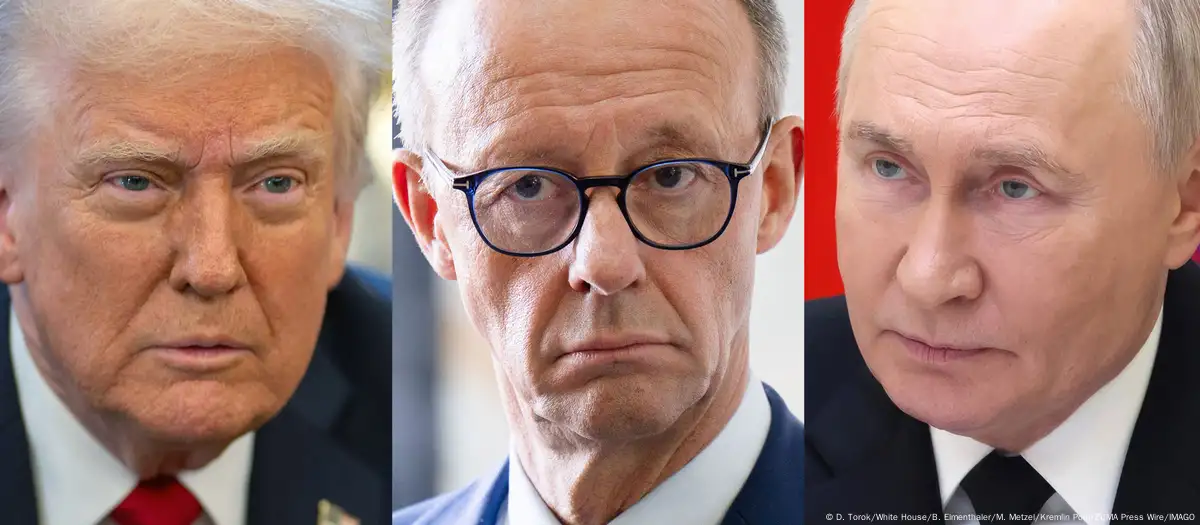
Trump, Putin, and Germany’s Power Play: How a New Government Plans to Navigate a Shifting World

Germany’s Big Foreign Policy Reset: What You Need to Know
Germany is stepping into a new chapter—and this time, it’s ready to lead, not just follow. With global tensions rising and powerful figures like Donald Trump and Vladimir Putin dominating the international stage, Germany’s incoming coalition government is setting a bold new direction for the country’s foreign policy.
At the heart of this shift is a fresh agreement between the center-right Christian Democrats (CDU/CSU) and the center-left Social Democrats (SPD). Their message? Germany can no longer afford to stay on the sidelines. It’s time to step up.
Here’s what’s happening, why it matters, and what to expect from Europe’s largest economy in the age of uncertainty.
A New Coalition Forms Amid Global Chaos
CDU and SPD Join Forces—Again
After intense negotiations, Germany’s two powerhouse political parties—the conservative CDU/CSU and the center-left SPD—have agreed to work together in a new coalition government. This isn’t their first time teaming up, but the stakes now are higher than ever.
Friedrich Merz, the CDU leader and likely Germany’s next chancellor, made it clear during the announcement: the world is more unstable than it’s been in years. And Germany’s next government wants to shape how that story unfolds.
“We want to, and we will, help shape change in the world—for Germany,” Merz declared.
How Trump’s Return Could Shake Germany’s Trade and Security
Round Two of “America First”?
Donald Trump’s potential return to the U.S. presidency is sending shockwaves across Europe. During his last term, he slapped tariffs on European goods (including German cars), criticized NATO, and pushed an aggressive “America First” agenda that rattled transatlantic ties.
Now that he’s back in the political spotlight, Germany’s leaders aren’t taking any chances.
What Germany’s Coalition Might Do in Response:
- Diversify Trade Partnerships: Germany could move to lessen its reliance on U.S. trade, seeking stronger ties with Asia and within the EU.
- Reinforce NATO Commitment: Expect Germany to take a leadership role in European defense, especially if U.S. support wavers.
- Push for EU Unity: With Trump potentially questioning alliances again, Germany will likely push for a more unified, assertive European foreign policy.
Putin’s War Machine and Germany’s Energy Reckoning
Russia’s Threat Is Driving Germany to Act
The war in Ukraine, driven by Vladimir Putin’s aggression, has fundamentally changed Germany’s approach to both security and energy. Once dependent on Russian gas, Germany is now racing to secure energy independence and strengthen its position in Europe.
The coalition knows it can’t return to the old ways of doing business with Moscow. That era is over.
Here’s What to Expect:
- Stronger Support for Ukraine: Military aid, reconstruction funding, and political backing are likely to continue under the new government.
- Energy Transformation: Germany will accelerate its move toward renewables, energy storage, and LNG terminals.
- Tougher Stance on Russia: Diplomatic and economic pressure will likely ramp up, with Germany leading calls for accountability on the global stage.
Germany’s Bigger Role in a Divided World
From Fence-Sitter to Global Player
Germany has traditionally been cautious when it comes to foreign policy—preferring diplomacy over confrontation. But this new coalition seems ready to be bolder, more vocal, and more involved in global affairs.
And it’s not just about reacting to Trump and Putin. China, climate change, cybersecurity, and migration will also demand attention from the new government.
Look For Germany to:
- Lead on Climate Diplomacy: As one of the world’s biggest economies, Germany may spearhead global green energy initiatives.
- Defend Liberal Democracies: Expect strong rhetoric—and possibly action—against authoritarian regimes.
- Modernize Its Military: Increased defense budgets and stronger EU coordination could be on the table.
Domestic Worries Driving Foreign Policy Shifts
Why Germans Want Stronger Global Leadership
This isn’t just about global grandstanding—there are real pressures at home pushing Germany toward a more engaged role in the world.
Voters are worried about:
- Rising energy prices
- Inflation and economic slowdown
- Security threats from Russia and beyond
- Germany’s reputation as a global leader
By showing strength abroad, the new coalition hopes to calm nerves at home and project stability to investors, partners, and allies.
Final Thoughts: Germany’s Balancing Act Begins
Germany is stepping into a much more complicated world than it has in decades. With Trump’s unpredictable politics, Putin’s military aggression, and an uncertain global economy, Germany’s next government will face major tests from day one.
But this coalition isn’t shying away. Led by Friedrich Merz, they’re promising to be more than just observers—they want Germany to help lead the way forward.
Whether they can strike the right balance between caution and courage, diplomacy and deterrence, remains to be seen. But one thing is certain: Germany is done playing it safe.

