

Introduction
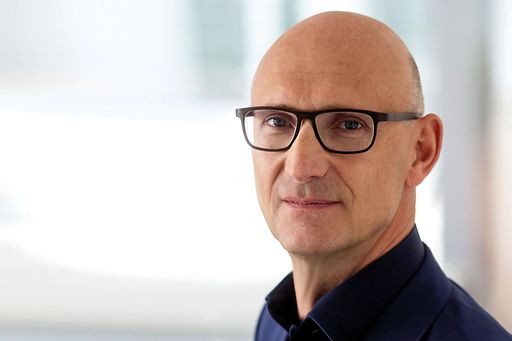
In the fast-paced world of telecommunications, leadership is paramount. Timotheus Höttges, as the CEO of Deutsche Telekom, stands as a guiding force in shaping the future of global connectivity. With a wealth of experience, an innovative mindset, and a dedication to technology’s transformative power, Höttges has led Deutsche Telekom through a remarkable journey of growth and innovation. This article offers an overview of his career and achievements as the CEO of one of the world’s leading telecommunications companies.
A Distinguished Career Path
Timotheus Höttges’ journey into the telecommunications industry has been marked by steady progression and exceptional achievements. Before his appointment as CEO of Deutsche Telekom in 2014, Höttges held several key positions within the company, including Chief Financial Officer (CFO) and Chief Sales Officer. His deep understanding of the company’s operations and global telecommunications landscape laid a solid foundation for his leadership.
Championing Innovation and Connectivity
Under Höttges’ stewardship, Deutsche Telekom has embraced innovation and expanded its offerings beyond traditional telecommunications services. The company has ventured into diverse areas such as 5G technology, the Internet of Things (IoT), and cybersecurity, contributing to the evolution of the digital ecosystem. By investing in research and development, Deutsche Telekom has played a crucial role in shaping the future of connectivity.
5G Leadership
One of the standout achievements during Timotheus Höttges’ tenure is Deutsche Telekom’s leadership in 5G technology. The company has been at the forefront of deploying 5G networks across Europe and beyond, enabling faster and more reliable wireless communication. This achievement not only positions Deutsche Telekom as a technological pioneer but also sets the stage for transformative advancements in various industries, from healthcare to autonomous transportation.
Commitment to Sustainability
Höttges recognizes the importance of sustainability in the telecommunications industry. Under his leadership, Deutsche Telekom has initiated environmentally conscious practices, such as reducing carbon emissions, enhancing energy efficiency, and promoting responsible supply chain management. These efforts reflect the company’s commitment to a more sustainable and responsible future.
Global Expansion
Timotheus Höttges has overseen Deutsche Telekom’s expansion into various international markets. The company’s presence extends far beyond its German roots, with a significant footprint in countries across Europe and the United States. This global perspective positions Deutsche Telekom to address the diverse needs and expectations of customers worldwide.
Customer-Centric Approach
Höttges places a strong emphasis on a customer-centric approach. Deutsche Telekom seeks to understand the unique requirements and desires of its customers, offering tailored solutions that meet their communication and connectivity needs. This commitment to customer satisfaction has earned the trust and loyalty of millions of subscribers globally.
Resilience in the Face of Challenges
Höttges’ leadership has been tested in the face of significant challenges, such as the COVID-19 pandemic. Deutsche Telekom’s ability to adapt to changing market conditions, maintain network reliability, and support remote work and learning is a testament to his strategic leadership and the resilience of the company.
Conclusion
Timotheus Höttges, as the CEO of Deutsche Telekom, has displayed exceptional leadership in the telecommunications industry. His focus on innovation, connectivity, sustainability, and customer-centricity has propelled the company to the forefront of global telecommunications. As the world becomes increasingly interconnected, Höttges’ vision and expertise will continue to be instrumental in shaping the future of connectivity and ensuring that Deutsche Telekom remains a global leader in the telecommunications sector.

