
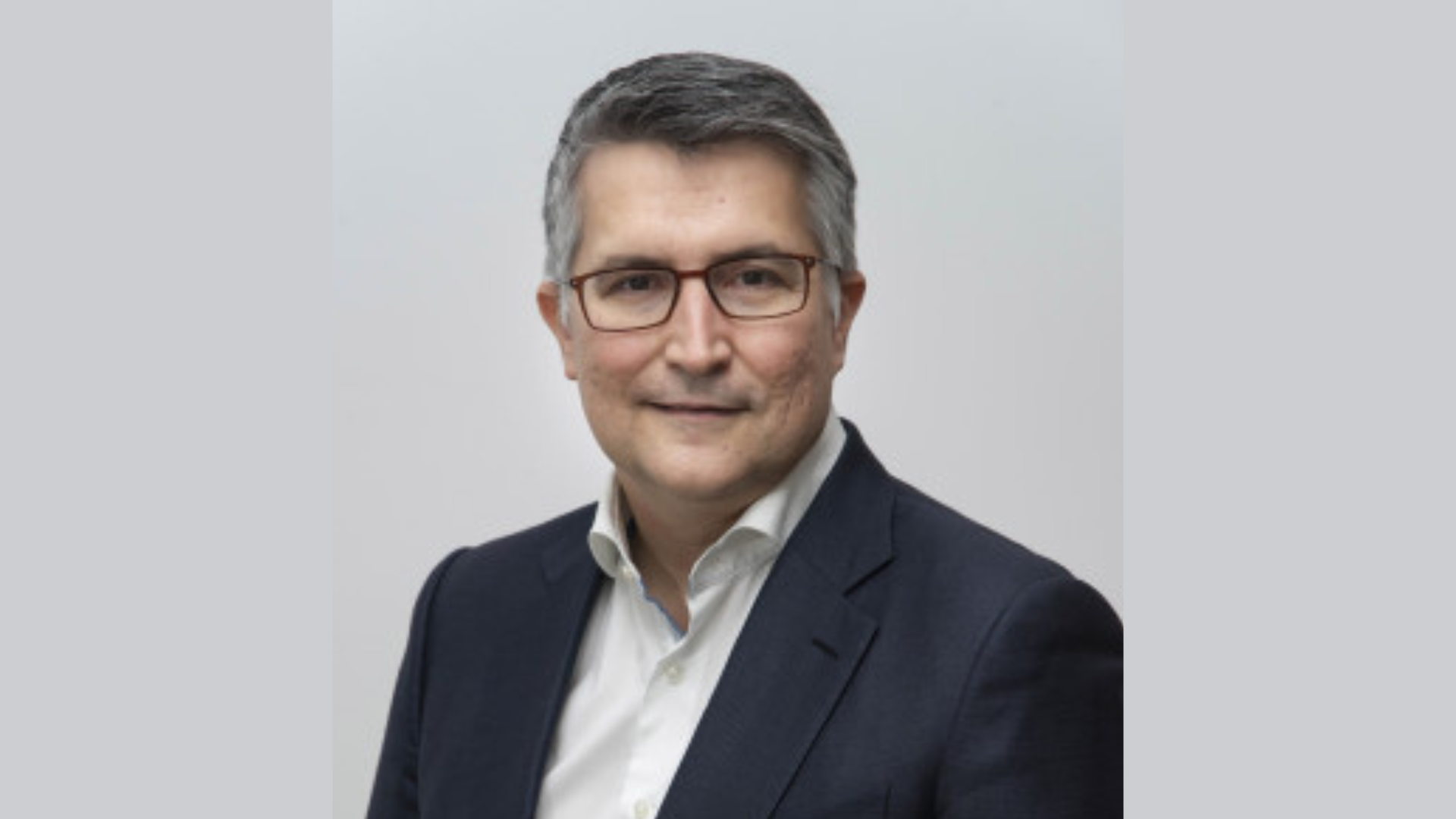

A significant leadership change is in store for Telefónica Deutschland, one of Germany’s largest telecommunications operators and the company behind the O2 brand, with Santiago Argelich Hesse assuming the responsibilities of Chief Executive Officer from January 1, 2026, onwards. The appointment heralds a new strategic beginning for the organization, as the long-serving CEO, Markus Haas, prepares to bid adieu at the end of 2025. The transition happens at a time when the telecom sector is facing rapid technological, economic, and competitive changes.
Santiago Argelich Hesse comes with a powerful mix of operational know-how and international telecom experience. Before he joined Telefónica Deutschland, he held various senior leadership positions for Cellnex, one of Europe’s largest telecom infrastructure operators. Most recently, he was the CEO for Cellnex Poland, where he played an instrumental role in expanding the company’s market presence and reinforcing tower infrastructure across the country. His background, which spans operations, infrastructure management, and transformational leadership, positions him as a modern telecom executive ready to navigate a fast-changing industry.
The Supervisory Board of Telefónica Deutschland emphasized that Hesse brings experience in managing critical infrastructures, accomplishing large-scale transformation processes, and driving operational efficiency, all of which will be decisive in the next phase of development for the company. With Germany upping its pace on the road toward a completely digital economy, the challenges are mounting for telecom operators-to provide even speedier, more reliable networks, next-generation services, and more innovation for both consumer and enterprise markets. Now, Hesse will take on the task of leading Telefónica Deutschland through such demands and strengthening its competitiveness.
In his first comments, Hesse thanked the board and underscored his commitment to driving a customer-centric experience, further building out digital capabilities, and innovating network services. He highlighted how well positioned the company was from the foundational work already done by the current leadership team while underscoring that it needed to move nimbly to face evolving trends in technologies, customer needs, and challenges from competitors including Deutsche Telekom and Vodafone Germany.
This transition is also important because it creates very strong strategic continuity for the company. Markus Haas has been with Telefónica Deutschland for nearly three decades and mastered leading the organization through some of its most transformative periods. During his tenure, he spearheaded numerous ‘firsts’ while at the helm, such as guiding the integration of E-Plus, one of the largest telecom mergers in Germany. This included leading company-wide progress in 4G and 5G deployment. Under Haas, O2 cemented its position in the German telecom market by enhancing network quality and improving customer satisfaction levels. He led the way back for O2 to become a competitive alternative to the country’s largest telecom players. It was during this time that he helped the company build resilience, operational strength, and a customer-focused approach.
As Haas prepares to step down, he will stay in the company until the end of December 2025 for a smooth transition. This minimizes disruption and keeps things stable within the company. A further well-structured transition indicates careful planning and a long-term focus by Telefónica, minimizing abrupt leadership changes that may affect business performance.
Looking ahead, several priorities are likely to define Hesse’s strategic roadmap. The most prominent will no doubt be accelerated network modernization, particularly in 5G and fiber infrastructure. As more industries go digital-first and as consumers demand more speed with mobile and broadband services, so too will Telefónica Deutschland have to further build out capacity, coverage, and reliability. Hesse’s infrastructure experience will be at the very center of meeting such expectations.
Other major priority areas could be digitization and service diversification. Globally, every telecom operator is evolving from a simple voice and data provider to an integrated digital services provider. Telefónica Deutschland will further bolster its IoT, cloud solutions, enterprise connectivity, cybersecurity, and consumer digital value-added services. These segments have high growth potential and represent an opportunity to differentiate the company from its competitors. Cost optimization and operational efficiency will also be paramount.
The telecom industry is very capital-intensive; improving profitability often involves restructuring, streamlining processes, and optimizing resource allocation. Given Hesse’s background in infrastructure and operational leadership, Telefónica Deutschland may make efforts toward refining its cost structures without sacrificing service quality. Ultimately, the appointment of Santiago Argelich Hesse is about looking to the future at Telefónica Deutschland. With in-depth expertise in the telecom business and a deep understanding of infrastructure-driven markets, Hesse will drive the company toward a more agile and competitive future, fully digitally enabled. Undoubtedly, in a rapidly changing landscape, his leadership will be important to define the company’s positioning within one of Europe’s most dynamic technology markets.

