
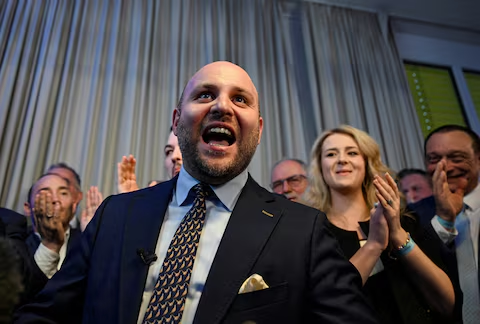

As energy prices continue to climb across Europe, political tensions in Germany are heating up as well. The country’s far-right party, Alternative for Germany (AfD), is once again calling for closer energy ties with Russia—reviving a long-standing and highly controversial position.
The debate comes at a time when many Germans are feeling the strain of rising fuel and energy costs, making the issue not just political, but deeply personal for households and businesses alike.
Why Energy Prices Are Rising
A Lingering Impact of Global Tensions
Germany, like much of Europe, has faced energy challenges in recent years due to geopolitical tensions and supply disruptions. A major turning point was the Russia-Ukraine conflict, which led to a sharp reduction in Russian gas supplies to Europe.
For decades, Germany had relied heavily on Russian energy imports, particularly natural gas. When those supplies were cut or reduced, prices surged, forcing the country to seek alternative sources.
The Cost of Transition
Germany has been working to diversify its energy mix by investing in renewables and sourcing gas from other countries. However, this transition has come at a cost:
- Higher fuel and electricity prices
- Increased pressure on industries
- Rising living expenses for households
These economic pressures have created fertile ground for political debate.
AfD’s Renewed Call for Russian Energy
A Familiar Position
The Alternative for Germany has long advocated for closer ties with Russia, particularly when it comes to energy. With fuel prices rising again, the party is doubling down on this stance.
AfD argues that restoring energy imports from Russia could provide:
- Cheaper fuel for consumers
- Greater energy stability
- Relief for struggling industries
Political Momentum
The party’s message appears to be gaining traction. AfD recently recorded strong results in two state elections, signaling growing support among voters frustrated with economic challenges.
By focusing on energy costs—a concern that affects nearly everyone—the party is tapping into widespread public dissatisfaction.
A Deeply Divisive Proposal
Economic vs Political Concerns
While the idea of cheaper energy is appealing, reconnecting with Russia is not a straightforward decision.
Critics argue that:
- It could undermine Europe’s stance on the Russia-Ukraine conflict
- It may increase dependence on a single supplier again
- It raises ethical and geopolitical concerns
Supporters, on the other hand, emphasize the immediate economic benefits and the need to prioritize domestic stability.
Germany’s Current Energy Strategy
Moving Away From Dependence
Since reducing reliance on Russian energy, Germany has taken several steps:
- Increasing imports of liquefied natural gas (LNG)
- Expanding renewable energy projects
- Strengthening energy partnerships with other countries
These efforts aim to create a more resilient and diversified energy system.
Challenges Ahead
Despite progress, challenges remain:
- Energy costs are still relatively high
- Infrastructure changes take time
- Public patience is being tested
This gap between long-term goals and short-term realities is fueling political debate.
How This Affects Everyday Germans
Rising Living Costs
Higher fuel prices don’t just affect transportation—they impact:
- Heating bills
- Electricity costs
- Prices of goods and services
For many households, energy has become a major financial concern.
Shifting Public Opinion
As economic pressure grows, voters may become more open to alternative solutions—even controversial ones. This shift in sentiment is reflected in the rising support for parties like AfD.
The Bigger Picture: Energy and Politics
Energy as a Political Issue
Energy policy is no longer just about infrastructure and supply—it is now a central political issue. Decisions about where energy comes from are tied to:
- National security
- International relations
- Economic stability
A Test for European Unity
Germany’s debate is also being closely watched across Europe. Any move to restore ties with Russia could have wider implications for the European Union’s unified approach to the conflict.
What Happens Next?
The discussion around energy policy in Germany is far from over.
Possible Scenarios
- Continued investment in alternative energy sources
- Short-term measures to ease costs for consumers
- Ongoing political debate over relations with Russia
Whether AfD’s proposals gain broader acceptance remains to be seen, but the issue of energy affordability is likely to remain at the center of German politics.
Final Thoughts
Rising fuel prices are doing more than straining wallets—they are reshaping political conversations in Germany. The AfD’s renewed call to reconnect with Russia highlights the difficult balance between economic needs and geopolitical principles.
As Germany navigates its energy future, the choices it makes will not only affect its own citizens but could also influence the direction of Europe as a whole.

