
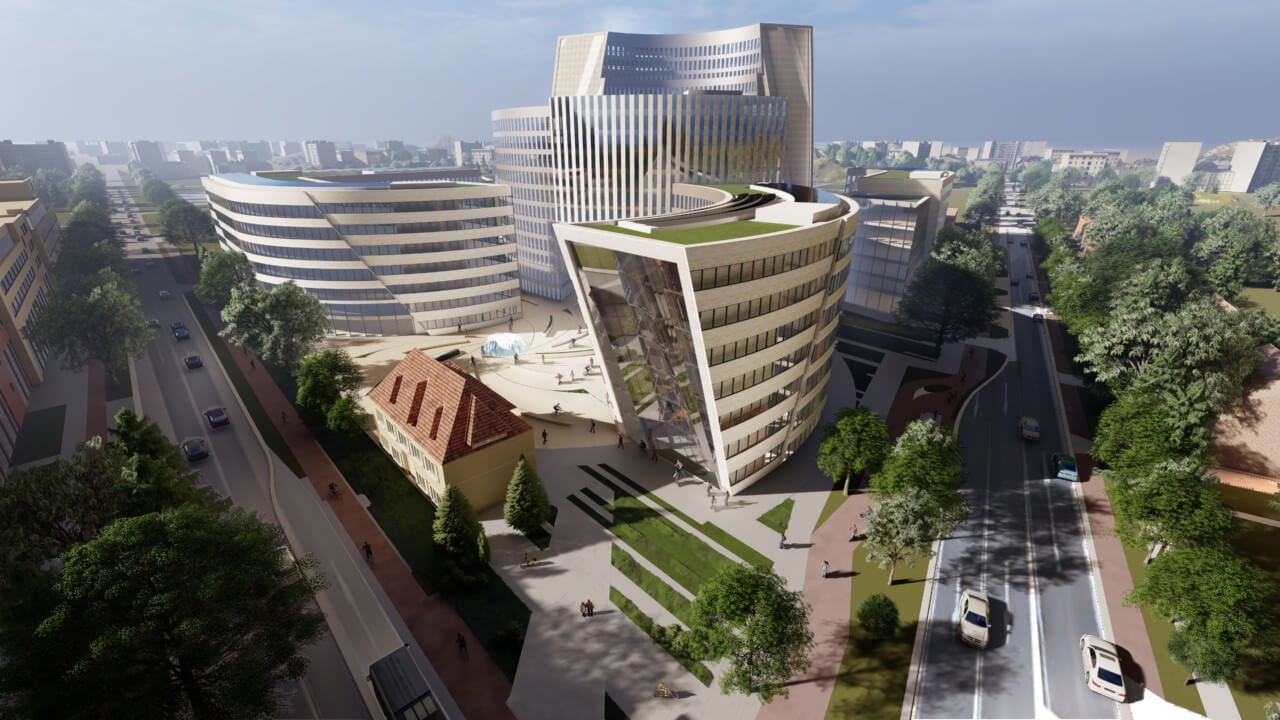

Real estate CEOs across Germany are increasingly pivoting their strategies toward mixed-use urban developments as cities evolve and demand patterns change. Combining residential, commercial, retail, and recreational spaces within a single integrated project, mixed-use developments are emerging as a preferred model for long-term growth, resilience, and sustainable urban living.
This strategic shift comes amid rising construction costs, changing work habits, housing shortages, and increased pressure from city authorities to optimise land use. German real estate leaders believe that mixed-use projects offer a more balanced risk profile and stronger long-term returns compared to single-purpose developments.
Responding to Changing Urban Lifestyles
Urban lifestyles in Germany are undergoing a structural transformation. Remote and hybrid work models have reduced demand for traditional office-only spaces, while residential demand in well-connected city centres continues to rise. At the same time, consumers increasingly seek convenience, preferring neighbourhoods where living, working, shopping, and leisure coexist.
Real estate CEOs see mixed-use developments as the most effective response to these shifts. By integrating offices, apartments, retail outlets, healthcare facilities, and public spaces, developers can create vibrant, self-sustaining urban hubs that remain active throughout the day. Leaders argue that this diversity improves footfall, enhances tenant stability, and reduces dependency on a single revenue stream.
Improved Risk Management and Asset Resilience
From a financial perspective, mixed-use projects are viewed as more resilient during economic cycles. German real estate CEOs point out that downturns rarely affect all asset classes equally. When office demand weakens, residential or retail components may continue to perform, helping stabilise cash flows.
Institutional investors are also showing a growing preference for diversified assets. Mixed-use developments align well with long-term investment strategies, particularly for pension funds and insurance companies seeking stable, inflation-protected returns. CEOs report increased interest from both domestic and international investors for projects that offer balanced exposure across asset types.
Alignment with Sustainability and Urban Policy Goals
Sustainability is another major driver behind the shift. German cities are under pressure to meet climate targets, reduce urban sprawl, and improve quality of life. Mixed-use developments support these goals by encouraging walkability, reducing commuting distances, and making more efficient use of existing infrastructure.
Real estate leaders are increasingly integrating green building standards, energy-efficient designs, and smart city technologies into mixed-use projects. Features such as shared mobility hubs, renewable energy systems, and digitally managed utilities are becoming standard components. CEOs emphasise that sustainability is no longer just a regulatory requirement but a key differentiator in attracting tenants and investors.
Collaboration with City Authorities
Developing large-scale mixed-use projects requires close coordination with local governments and urban planners. German real estate CEOs note that municipalities are generally supportive of such developments, particularly when they contribute to affordable housing, public spaces, and economic activity.
Public-private partnerships are becoming more common, with developers working alongside city authorities to revitalise former industrial zones, transport hubs, and underutilised land parcels. CEOs believe that transparent collaboration and long-term planning are essential to securing approvals and ensuring project viability.
Challenges in Execution
Despite the strategic appeal, mixed-use developments are complex to execute. Managing multiple asset classes within a single project requires advanced planning, specialised expertise, and higher upfront capital investment. CEOs acknowledge that regulatory approvals can be time-consuming, particularly when balancing residential needs with commercial zoning requirements.
Rising interest rates and construction costs also remain key challenges. To address this, developers are phasing projects more carefully, leveraging modular construction techniques, and exploring alternative financing structures. Many CEOs stress the importance of flexibility in design, allowing spaces to be adapted as market conditions evolve.
Outlook for Germany’s Real Estate Sector
Looking ahead, German real estate CEOs expect mixed-use urban developments to remain a central pillar of their growth strategies through 2026 and beyond. As cities prioritise sustainable growth and residents demand more integrated living environments, the appeal of mixed-use projects is set to strengthen further.
Industry leaders believe that developers who successfully deliver well-planned, community-focused mixed-use developments will be best positioned to navigate economic uncertainty and regulatory complexity. For Germany’s real estate sector, the move toward mixed-use urban development represents not just a trend, but a fundamental rethinking of how cities are built and experienced.

