
Poland Cracks Down at German Border with Random Spot Checks — What This Means for Europe’s Visa-Free Zone

Sudden Move by Poland to Tighten Border Controls Sparks Concerns Across EU
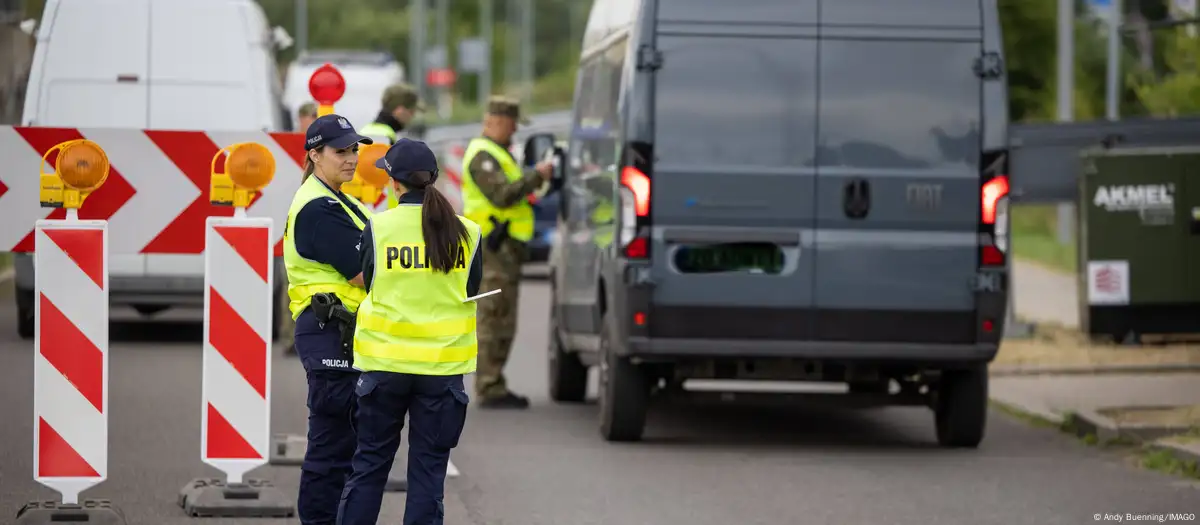
In a surprising turn of events shaking the core of Europe’s free-movement Schengen zone, Poland has begun random spot checks at 52 border crossings with Germany, along with 13 more at its Lithuania border. This move comes shortly after Germany ramped up its own border checks under Chancellor Friedrich Merz’s new government, signaling growing tensions around immigration and border security in the heart of Europe.
What’s Happening at the Borders?
Starting Monday, Polish authorities initiated random inspections targeting buses, minibuses, vehicles carrying large groups, and those with tinted windows. The controls are set to continue at least until August 5, and are meant to combat what the Polish government calls “illegal immigration.” However, officials stress that Polish and other EU citizens should expect minimal disruption.
Polish Interior Minister Tomasz Siemoniak emphasized that these measures are purely focused on illegal entry prevention, denying any intent to disrupt the visa-free travel that Schengen champions.
Why Now? The Backdrop to Poland’s Tougher Border Controls
This step closely follows Germany’s own tightened entry restrictions at its border with Poland, a policy shift brought on by rising concerns about immigration flows and cross-border security.
Under Chancellor Merz, Germany has adopted a more vigilant stance, prompting Poland to mirror the approach. The escalating controls highlight a delicate balancing act between maintaining security and preserving the EU’s foundational freedom of movement.
What This Means for the Schengen Agreement and EU Unity
Poland’s move raises thorny questions about the future of the Schengen Zone, which allows passport-free travel between many European countries. Critics warn that such random checks undermine the very essence of Schengen and could encourage other member states to impose similar restrictions, risking a domino effect that could fragment the bloc’s borderless ideal.
EU officials are watching closely, as any prolonged or expanded border enforcement measures could signal cracks in the union’s cohesion on immigration and security policies.
What Travelers Should Expect
If you’re planning to cross between Poland and Germany or Lithuania anytime soon, expect occasional delays due to spot checks, especially if you’re traveling in groups or by bus. Though officials promise minimal disruption to EU nationals, increased scrutiny will likely affect certain vehicles more than others.
What’s Next? Will These Controls Extend Beyond August?
Currently slated to run until early August, Poland’s spot checks could be extended depending on how the situation evolves. With immigration concerns unlikely to abate soon and neighboring countries reviewing their own border policies, Europe may see more moves like this in the near future.

