

Farmer Seeks Justice for Climate Change Impact on His Village
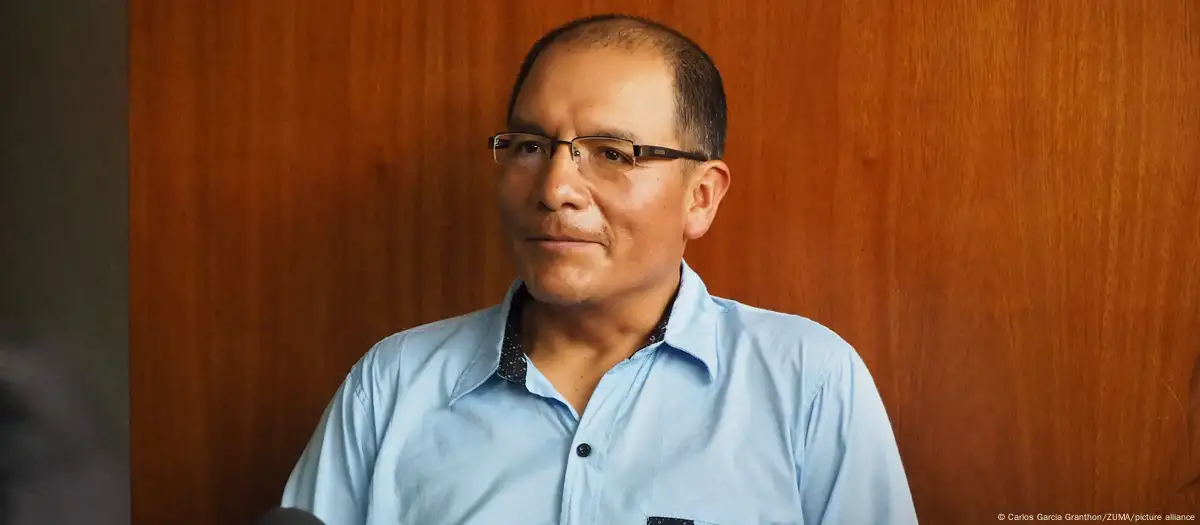
Saul Luciano Lliuya, a farmer from Peru, is heading to Germany to pursue a legal battle against one of the world’s biggest energy companies, RWE, over the devastating effects of climate change on his village. The case, which has been nearly a decade in the making, will go to court in the German city of Hamm, where Lliuya hopes to hold RWE accountable for its contribution to global warming.
The legal fight is set to begin on March 17, and Lliuya, a 44-year-old father of two, is optimistic about his chances. In a press conference before his departure, he said, “I have full confidence in these processes.”
This case is important not only for Lliuya and his community but also for the future of climate justice. It could set a legal precedent for holding major polluters accountable for the impact of climate change on vulnerable communities worldwide.
What’s at Stake? A Village at Risk from Melting Glaciers
Lliuya’s village, Huaraz, is in the Ancash region of northern Peru, and it faces a serious threat due to climate change. Glacier lakes in the area are rapidly growing because of melting snow and ice, putting the entire town at risk of flooding.
The problem started with the melting of glaciers high in the Andes mountains. This has led to a swelling of lakes formed from glaciers, threatening to flood Huaraz and the surrounding area. Local residents, including Lliuya and his family, are concerned about the future of their village.
So, why has Lliuya chosen to take RWE to court?
Lliuya is seeking help from RWE because the company, through its large contribution to carbon emissions, plays a role in causing global warming. Lliuya’s legal claim is based on a 2013 Carbon Majors Study, which revealed that RWE is responsible for about 0.5% of global climate change since the industrial revolution began.
Lliuya’s Request:
Lliuya is not asking for a massive sum of money. Instead, he’s requesting that RWE pay for about 0.5% of the cost to protect Huaraz from the dangers posed by the melting glaciers. The total cost of protecting his village is approximately €17,000 ($18,400). Specifically, Lliuya is asking the company to help fund the construction of a protective dike to shield the town from flooding.
Lliuya’s argument is clear: RWE has contributed to the problem, and now the company should help fix it.
Why Choose RWE? The Role of Major Polluters in Climate Change
RWE, a German energy giant, has long been one of the world’s largest polluters. The company, through its extensive use of coal, oil, and gas, has contributed significantly to global warming. While RWE has stated that it plans to go carbon neutral by 2040, Lliuya argues that this is not enough to address the lasting impacts of climate change already felt by vulnerable communities like his in Peru.
RWE’s Response
RWE, however, has pushed back against Lliuya’s accusations. The company has stated that it doesn’t understand why it is being singled out, as it has never operated in Peru, nor does it directly contribute to the issues facing Huaraz. However, critics point out that RWE’s global carbon footprint still plays a significant role in climate change, regardless of its operations in Peru.
RWE’s defense also points out the company’s future plans to reduce its carbon emissions. Still, Lliuya argues that these efforts won’t help communities like Huaraz that are already suffering from climate change’s impacts today.
A Decade-Long Legal Battle
Lliuya’s legal battle with RWE has not been easy. It began in 2015 when a court in Essen, Germany, dismissed his case. However, in 2017, the court in Hamm agreed to hear Lliuya’s appeal, giving him a chance to continue his fight for justice.
Despite delays caused by the COVID-19 pandemic, the case has reached a critical juncture. In March 2023, the court will hold a hearing to decide which pieces of evidence will be allowed in the trial. This hearing will be crucial as it marks the first time that a climate lawsuit against a major polluter has progressed this far in Germany.
Andrea Tang, a lawyer with the NGO Germanwatch, which is helping cover Lliuya’s legal fees, says that this case could be a landmark for climate justice. “This could set a huge precedent for the future of climate justice… something that could be applied in other civil cases, in other countries as well.”
Why This Case Matters for Climate Justice
Lliuya’s fight is about more than just getting compensation for his village. It’s about setting a legal precedent for holding corporations accountable for the harm they cause to the environment. If Lliuya wins, it could open the door for other communities around the world who are suffering from climate change to take legal action against major polluters.
This case could push for stricter regulations on global carbon emitters and encourage companies to take responsibility for the damage their emissions cause, not only in terms of reducing future harm but also in addressing existing impacts on vulnerable communities.
Why the Outcome is Crucial
The outcome of this case could have wide-reaching implications. A victory for Lliuya would send a clear message to big corporations and governments that they can be held responsible for their role in climate change. It could also inspire other communities to take legal action against companies contributing to global warming, leading to a wave of climate litigation that could transform global climate policy.
What’s Next? The Road Ahead for Lliuya’s Case
As March 17 approaches, all eyes will be on Hamm, where the next step in this groundbreaking case will unfold. The court will decide what evidence can be presented in the upcoming trial, which will determine whether RWE will have to pay for part of the protection measures needed to safeguard Huaraz from the ongoing climate crisis.
For Lliuya, this is a moment of hope after years of hard-fought legal battles. “I have full confidence in these processes,” he said. His faith in the German justice system and his commitment to protecting his community remain strong.
A Global Battle for Climate Justice
Saul Luciano Lliuya’s battle against RWE represents far more than a local fight in a small village in Peru. It’s part of a larger global struggle for climate justice. If Lliuya prevails, his case could set a historic precedent for holding the world’s biggest polluters accountable for the damage they’ve caused and could inspire other communities suffering from the effects of climate change to take action.
This is a fight that goes beyond one man or one village. It’s a fight for the future of the planet—and for justice for the communities that are already feeling the devastating impacts of climate change.

