
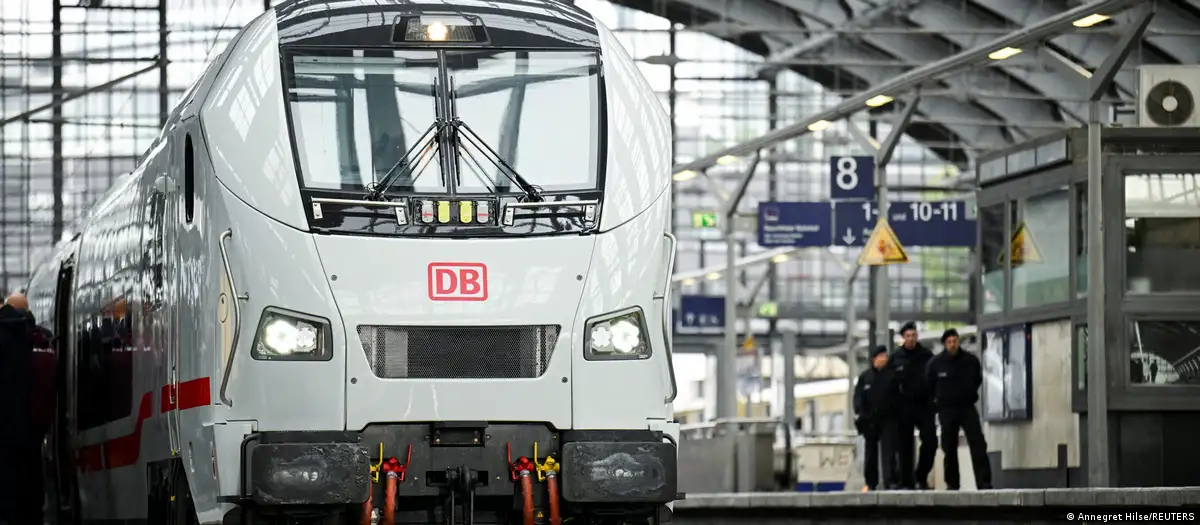

A female passenger attacked a train conductor during a ticket inspection on a long-distance ICE train to Berlin, authorities reported.
The assault occurred while the inspector was performing routine checks, and the passenger reportedly punched the conductor. Police were called to the scene, and an investigation is underway.
Details of the Incident
- The attack happened on a high-speed ICE train heading to Berlin.
- The conductor was performing a standard ticket check when the passenger became aggressive.
- Local police confirmed the conductor sustained minor injuries and did not require hospitalization.
- The suspect remains in custody as authorities determine the motive behind the attack.
Train safety organizations stressed that incidents of violence against train staff are taken very seriously, and passengers can face criminal charges for assault.
Broader Context: Train Safety in Germany
Germany’s ICE network is generally considered safe, but attacks on railway staff have risen in recent years. Authorities have called for:
- Stronger enforcement of safety regulations
- Increased security presence on long-distance trains
- Public awareness campaigns to support railway staff
Such measures aim to protect employees and maintain passenger safety across the country’s high-speed rail network.
Additional Germany News: Presidential Residence Renovation
Separately, reports indicate that renovations to the federal president’s official residence could cost an estimated €600 million.
- The project includes modernization and refurbishment of the historical property.
- Officials say the investment is necessary to maintain the building’s structural integrity and security standards.
- The high estimated cost has drawn public attention and sparked debate over government spending.
Final Take
The attack on the ICE conductor underscores the challenges of maintaining safety on public transport, while the presidential residence renovation highlights the scale of government infrastructure projects in Germany.
Both stories reflect ongoing discussions about public safety, employee protection, and responsible public spending.

